
The business of military surplus is still thriving
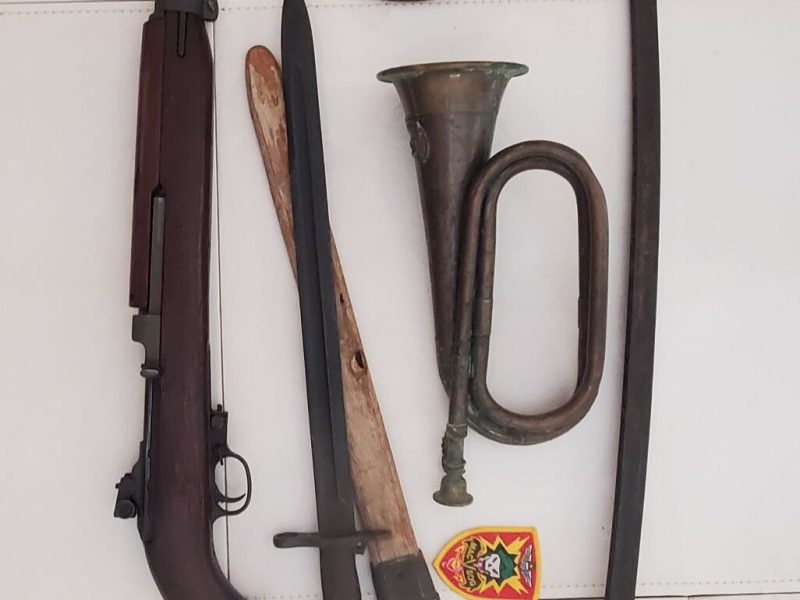
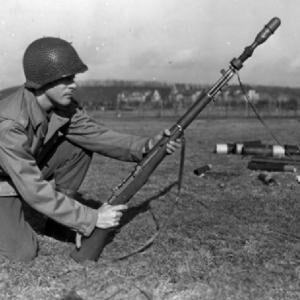
Various surplus weapons from the world’s wars have become big business, with a large market opening for items used during various conflicts.
Special PhotoFile PhotoFile PhotoFile PhotoU.S. Army/Wikimedia CommonsBy Tom Seegmueller
[email protected]
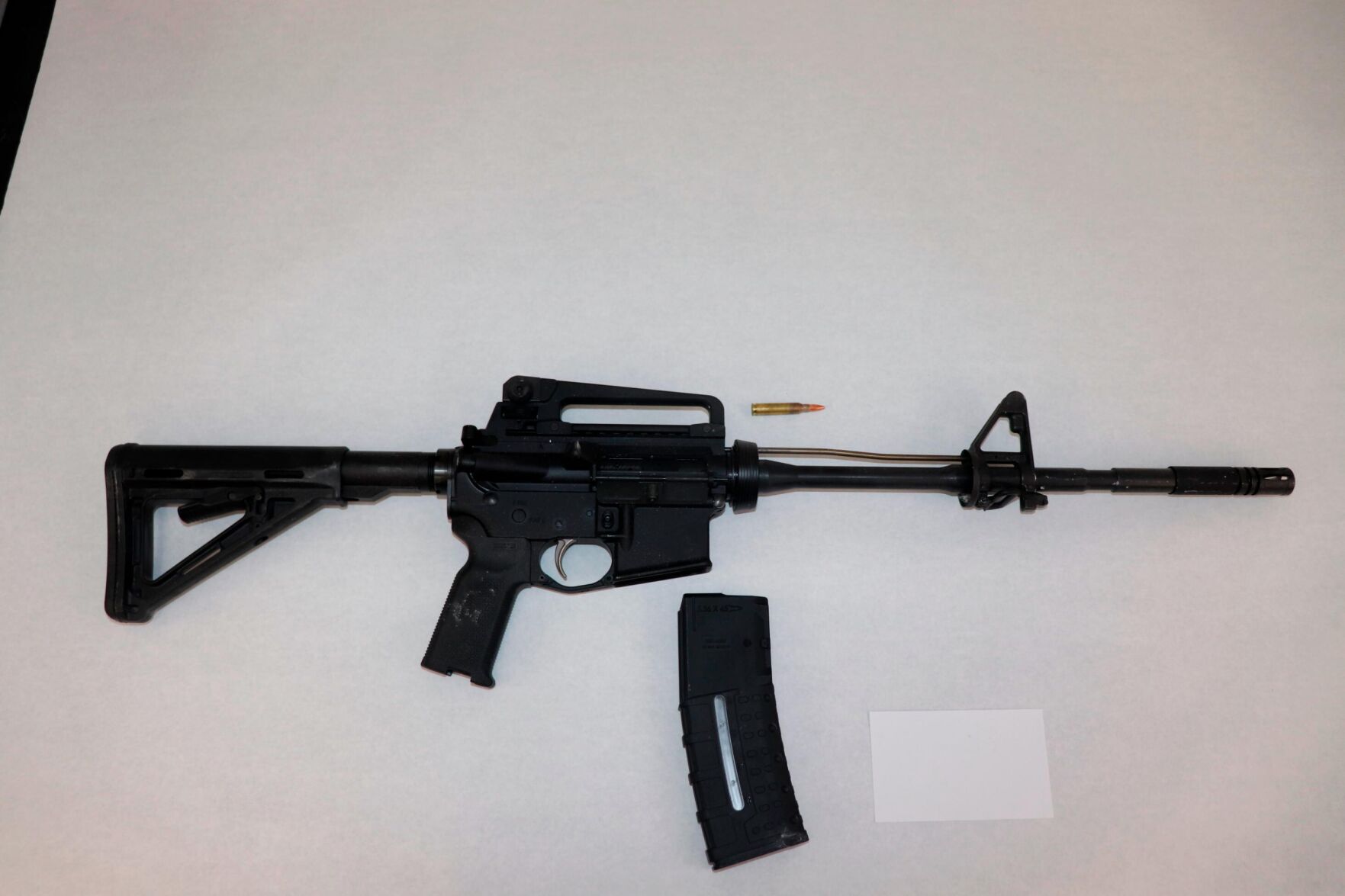
ALBANY ‒ Over the past decade, the popularity of the Armalite Rifle-15 in its many variants has not only become the most popular rifle sold in the United States but a topic of heated debate. One side contends that the firearm is merely a semi-automatic version of its military predecessor, the M-16, which was developed during the Vietnam War. The other side contends that although it does not have the capacity to fire in a fully automatic mode, it is nonetheless a weapon of war with no purpose as a sporting firearm.
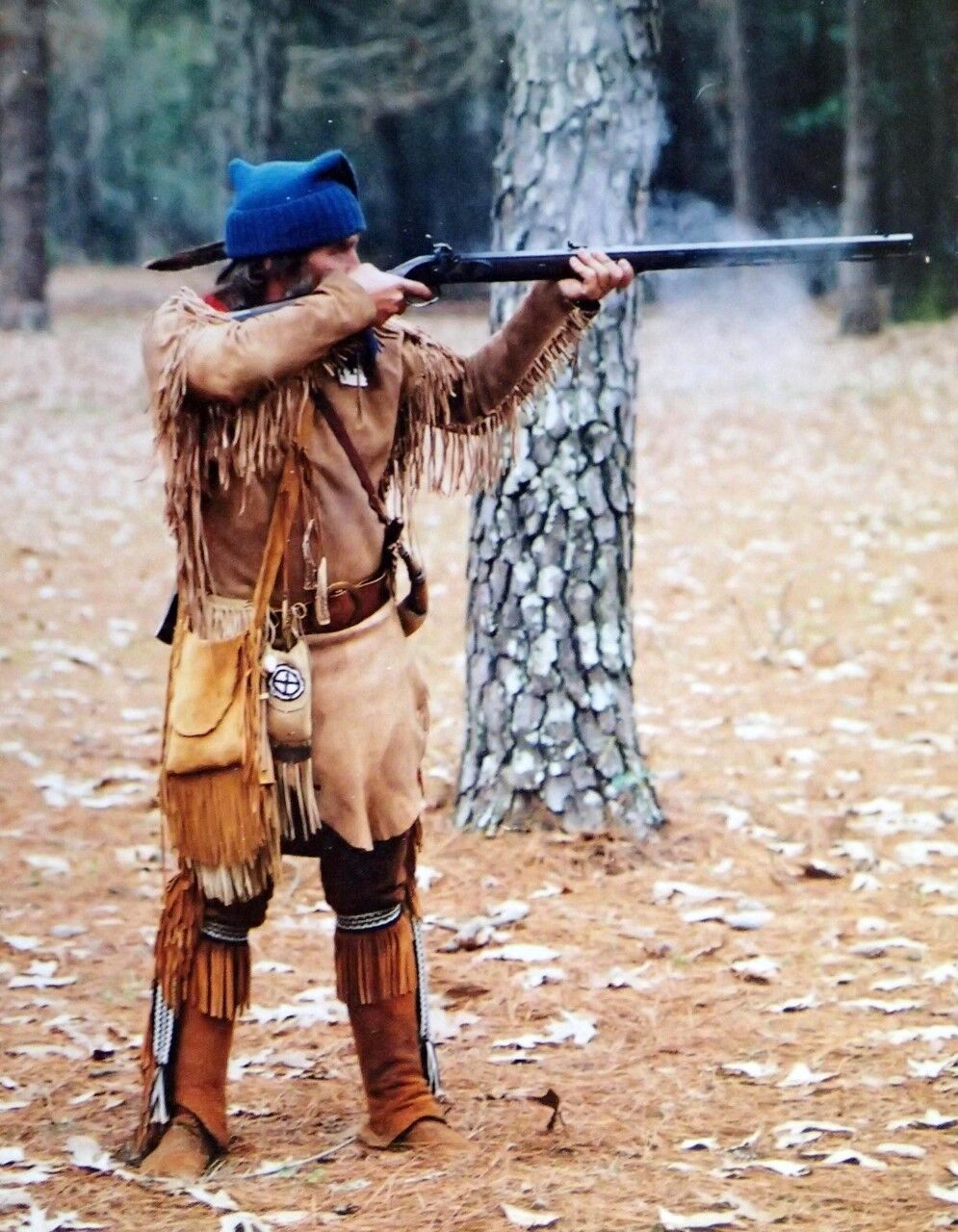
In many ways, it’s ironic that a gun that was not designed for warfare is now the poster child for this argument. Particularly since American sportsmen have been buying the actual weapons of our country’s wars for more than 150 years and using them in the field with little concern or attention.
The War Between the States was one of the first industrialized conflicts in world history, leading to the centralized and standardized mass production of military equipment and weaponry for both the Confederate and Union armies. When the war ended, there was a massive inventory of everything from horseshoes, boots, uniforms, firearms and cannons sitting in warehouses across the country. With a massive war debt, the U.S. government and state militias began auctioning these surplus supplies off for pennies on the dollar. Although many small storeowners took advantage of these deals, Francis Bannerman built an empire on the opportunity these sales provided.
When it comes to the discussion of military-grade firearms in the hands of the American population, one needs only look at Bannerman’s success. He and his family came to Brooklyn from Scotland in 1854, settling in a home near the Brooklyn Navy Yard. His father supported the family as a picker, scrounging the yard for surplus and scrap materials that had been discarded, and selling it for a profit. When the war broke out and Bannerman’s father joined the Union Navy, the son took over the family business at the age of 10, running it successfully until his father returned following the war.
At the age of 14, Bannerman and his younger brother used the profits he had generated during his father’s absence to begin buying up the large lots of the military surplus being auctioned off by the government. He purchased more than 11,000 captured Confederate firearms at such discount prices that he could pass the savings on to his customers. At one auction, he bought 200,000 Springfield muskets, which he sold for $5 apiece. By 1884, his New York store covered a city block and was seven stories high.
In 1884, Bannerman came up with the then-novel concept of selling his surplus items through a catalog he published annually. The publication, which offered a cornucopia of militaria to his subscribers, ranging from cheap cartridges to cannons. Deer hunters bought their ammunition, firearms and camp supplies there. Explorers and adventurers outfitted their expeditions to all points of the globe from his store. Mercenaries and the British Army were also customers.
When the United States declared war against Spain, leading to a three-month war in Cuba and the Philippines, Bannerman was waiting. No sooner had the war come to an end than Bannerman arrived in Havana, where he purchased all of the military equipment, weapons and ammunition that had been surrendered and left behind by Spain. The thousands of Spanish rifles he purchased and the millions of rounds of smokeless ammunition for them were at the time more advanced than most of the firearms in the U.S. arsenals of the day.
His inventory grew to the point that he purchased a 6.4-acre island in the Hudson River, building a complex of warehouses and storage facilities, including the replica of a Scottish castle. He truly built an empire on the sales of government surplus items and weapons. In 1918, during World War I, the United States Navy raided the island and briefly confiscated his entire inventory while placing Bannerman under house arrest. He would die seven months later, possibly due to the stress related to these events.
Although Bannerman’s empire had faded away by the 1930s, it provided a blueprint for future entrepreneurs. A thriving military surplus industry sprung up following World War II when the massive inventory of government-issued equipment became available. It would take decades for this gold mine of goodies to be decommissioned and auctioned off. The Korean War and the Vietnam War would fill the shelves and back lots of the Army/Navy stores just as they were running out of items to sell from the last war.
These stores benefited from large-scale wars, so as the number of actual troops involved in future conflicts was dramatically reduced, so was the level of equipment needed to supply them. More than 16 million U.S. troops served in WWII, compared to almost 10 million in Vietnam and only 2.5 million in our most recent conflicts. These figures, combined with direct government sales and internet sales of the existing surplus items, was the death knoll for the old Army/Navy store.
However, the success of Bannerman’s catalogue sales did not go unnoticed, and many others copied his model, creating a thriving mail-order gun industry. For much of the first half of the 20th century, Americans could buy almost any firearm they could afford and have it delivered to their doorstep by the United States Postal Service. If you wanted that Thompson submachine gun, no problem … a Browning Automatic Rifle, no big deal.
Then Al Capone and his buddies had to ruin it for everybody.
In 1934, the first national gun control legislation was passed when President Franklin Roosevelt’s “New Deal for Crime” was pushed out to control gangland crimes like the infamous St. Valentine’s Day Massacre. The National Firearms Act included in the package imposed a tax on the manufacture, sales and transportation of listed firearms, including short-barrel shotguns, machine guns and silencers. The tax was set at $200 to curtail the sale and transfer of these items. The tax is still in place today, and anyone wishing to buy one of these items must pay the tax for each item and pass a federal background check. Interestingly, if the tax were adjusted for inflation over the past 90 years, it would be $4,688 today.
In 1938, the Federal Firearms Act required anyone manufacturing, importing or selling firearms to obtain a federal firearms license. It also defined individuals, including a group of felons, who could not purchase guns. It also required gun dealers to keep records of who purchased guns.
In 1939, the U.S. Supreme Court ruled that there was no evidence that a short-barrel shotgun “has some reasonable relationship to the preservation and efficiency of a well-regulated militia.” Therefore, the court ruled that the right to keep and bear such a weapon was not protected under the second amendment.
In 1968, following the assassinations of President Kennedy, Attorney General Robert Kennedy and Civil Rights leader Martin Luther King Jr., President Lyndon Johnson pushed for the passage of the Gun Control Act of 1968. The act repealed and replaced the FFA, adding destructive devices, including bombs, mines and grenades, as well as expanding the definition of “machine gun.” It banned importing firearms with “no sporting purpose,” imposed an age restriction (21 years) for the purchase of handguns and prohibited felons, the mentally ill and others from purchasing firearms. It also required that all firearms manufactured after that date have serial numbers.
In 1994, a section of the Violent Crime Control and Law Enforcement Act, signed into law by President Clinton, contained what has become known as the assault weapons ban, which was a temporary prohibition on the manufacture and sale of more than 19 “military-style” or “copycat” firearms, including the AR-15 or a dozen firearms meeting the criteria defined under act and magazines holding more than 10 rounds of ammunition. It was in effect from 1994 until September 2004 and has multiple attempts to renew the act have failed. The effectiveness of the law is still debated today.
During the 2000s, several other laws were introduced and passed shielding manufacturers and those legally selling firearms from prosecution. Others clarified the right of individuals to possess firearms unconnected with service in the military.
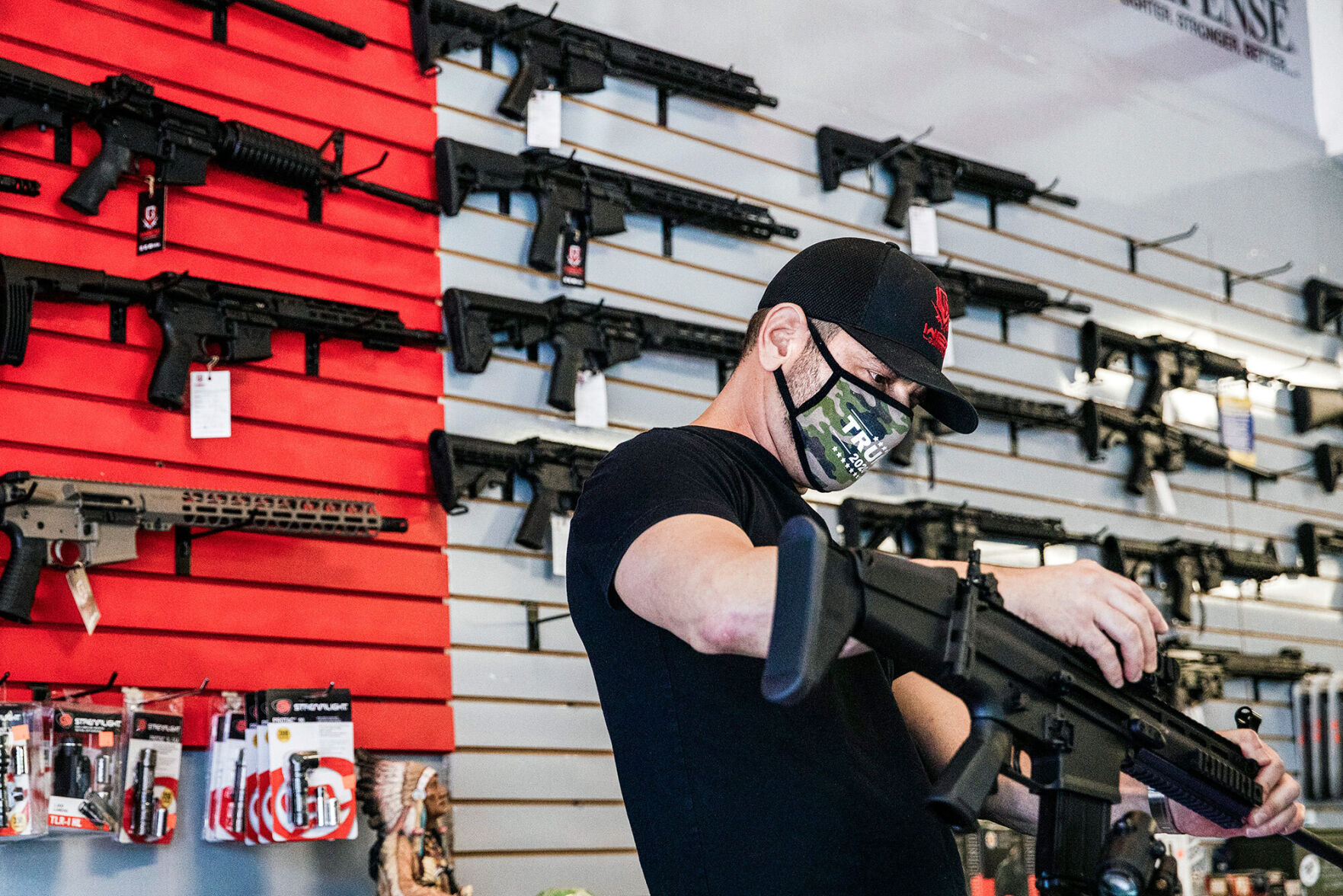
Today, the desire to own weapons with a military provenance is as strong as ever. Some are attracted by the historic significance of such firearms; others want the opportunity to just buy a reasonably-priced firearm that has stood the test of time, while others collect these vintage firearms as a financial investment with the potential to increase in value over time.
Even without Bannerman, the opportunities are there, and in some ways on the same grandiose scale. In 2004, Christian Cranmer, the founder of International Military Antiques, was able to close the deal on a 35-year-long negotiation with the government of Nepal to purchase more than 50,000 antique firearms from the arsenal of the Royal Nepalese Gurkha Army. These weapons had been locked in storage since 1839. The completion of the sale and the uncovering of the treasures hidden in the arsenal were worthy of a documentary film. Treasure, it seems, is where you find it. This unique hoard of militaria items has provided many one-of-a-kind items to prominent museum collections as well as served as a source of period-correct movie props.
However, anyone interested in owning a piece of history dating as far back as the 17th century can log on to the IMA website ima-usa.com and browse the inventory of the “Largest Military Collectibles Business In the World.” Another site, sportsmanguide.com, offers more modern surplus from various countries and is more in line with the inventory of the original Army/Navy stores.
If you prefer to go old-school, magazines like Firearms News offer a glimpse into the still thriving world of military surplus.
Author

Related Articles
From cotton to cloud: In the data center debate, is rural Georgia once again being asked to carry the cost?
Across much of rural Georgia, the abandoned cotton warehouses and shrinking tax bases remain — enduring reminders that industries built to serve distant markets do not necessarily stay rooted in the communities that first sustained them.

My Grandpa Was Killed in World War II. I Met Him Through His Letters Home
Gina Wolf’s grandfather died before she was born. His letters sent to her grandmother from Europe during World War II made it possible to know what kind of man he was.
‘Sounds Like a Mutiny.’ Secret Recording Exposes Claims of Toxic Leadership After a Marine’s Suicide
This week’s War Horse story follows the systemic failures before and after the death of Cpl. Drew Mobley who was the third in two years at Marine Corps Base Quantico to die by suicide.
