
The tricks of dealing with ticks
Special Illustration
File Photo
Special Photo: UGA/CAES
By Tom Seegmueller
[email protected]
ALBANY ‒ It wasn’t until I sat down this morning to write this article that I discovered ticks are parasitic arachnids. I’ve never liked ticks, and over the years I have had some bad experiences with them.
But I never really had any fear or loathing for them. However, I honestly cannot say the same for spiders, which were the only arachnid I previously recognized. Now that I can’t look at a tick without thinking it’s a little bitty spider, I’m a little uneasy at the thought of them crawling on me in the future.
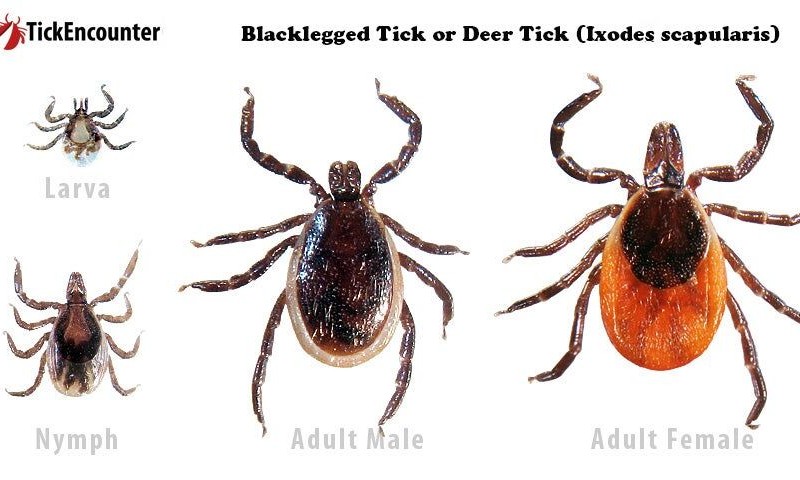
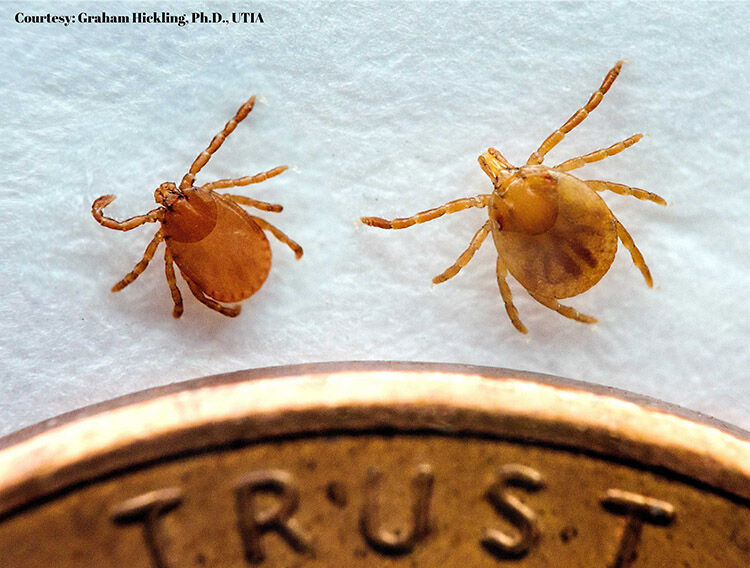
However, if you spend enough time outdoors in Georgia, you are going to have some ticks take a piggyback ride. There are currently eight ticks residing in southwest Georgia. According to the Georgia Department of Public Health, the most common ticks to feed on humans in the state are American dog ticks, brown dog ticks, lone star ticks, and black-legged ticks. Groundhog ticks, rabbit ticks, winter ticks, and Gulf Coast ticks are also prevalent but don’t prefer a human host. Therefore, they are less likely to be a cause for concern.
The American dog tick likes woodlands and grassy habitat and can be found in urban areas. Interestingly, this tick can live up to three years with no host. It can also spread Rocky Mountain Spotted Fever, as well as Tularemia. The species may also transmit canine tick paralysis to children. The good news is once the tick is removed, recovery is usually within one to two days.
The brown dog tick can be found year-’round in Georgia with domestic dogs being their most common host. Therefore, it is considered to be the most widespread tick species in the state. They seldom bite humans. However, they can transmit Rocky Mountain Spotted Fever when they do. The disease can have a 20% mortality rate if untreated. The tick must be attached for at least six hours for this to occur.
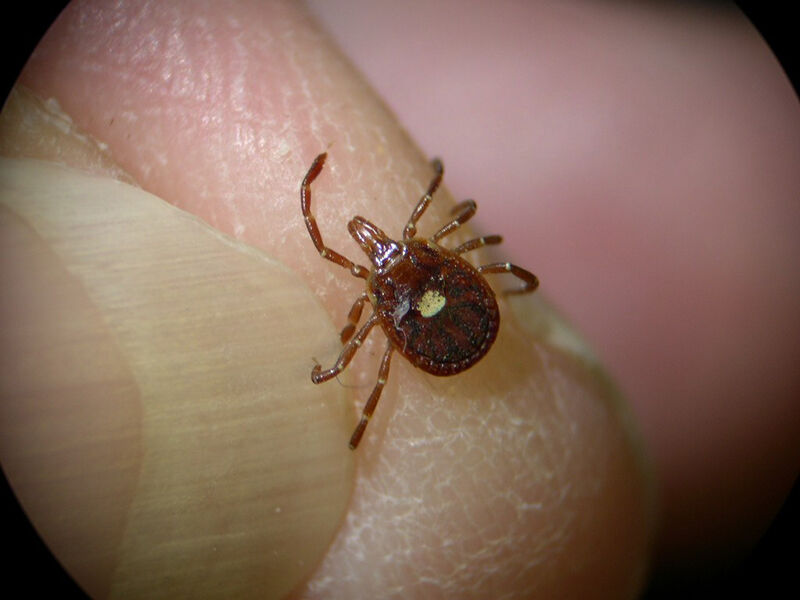
The lone star tick is identified by a single white spot on females’ backs, with the male having white markings on the legs and abdomen. They can transmit a variety of illnesses including Rocky Mountain Spotted Fever and Tularemia. However, the greatest threat they pose is the ability to transmit alpha-gal which is a meat allergy that can cause an anaphylactic reaction after eating meat.
The eastern black-legged tick is the primary carrier of Lyme Disease in Georgia. These ticks live in brushy areas with low vegetation and shrubs. Adult ticks of this species will feed on humans and can also transmit a variety of other disease. They are slow feeders, and it is estimated that it takes them 24-48 hours to transmit a disease to their host.
Tick bites will generally appear as a small red bump. The more obvious clue is that you frequently find the tick while it is still attached. Bites usually are not initially painful, but they can swell and be sore for days following the bite. The bite of a tick transmitting Lyme disease can leave a bullseye pattern at the site of the bite. The bites resulting in the transition of Rocky Mountain Spotted Fever can result in a speckled rash.
If you think you’ve been bitten by a tick, contact your doctor for preventative treatment advice. If the tick’s head breaks off while you’re removing it, or if you develop rashes, a bullseye mark, swelling, flu-like symptoms, nausea or muscle aches within the next month, seek medical help immediately. Most tick bites will be harmless.
A number of steps can be taken to avoid or reduce tick bites: First, dress appropriately, covering legs and ankles, tucking the legs into socks, and wear long-sleeved shirts. Use insect repellent on exposed skin. Treat your clothing and gear with permethrin. Once you are through with your outdoor activities, take a shower. When all else fails, rely on the buddy system and have someone be sure there are no ticks attached where you cannot see them.
When it comes to tricks to remove ticks, do not use hot matches, Vaseline, or fingernail polish. Remove the tick as soon as possible without squeezing its back half, which can force fluid from the tick into the host. It is best to use a pair of sharp pointed tweezers and grasp the tick as close to the body as possible, pulling it straight out. If you think the tick has been attached for a long time or there is concern over the bite area, you may want to place it in a Ziploc bag in case further identification is necessary for medical treatment.
Author

Related Articles

From cotton to cloud: In the data center debate, is rural Georgia once again being asked to carry the cost?
Across much of rural Georgia, the abandoned cotton warehouses and shrinking tax bases remain — enduring reminders that industries built to serve distant markets do not necessarily stay rooted in the communities that first sustained them.

My Grandpa Was Killed in World War II. I Met Him Through His Letters Home
Gina Wolf’s grandfather died before she was born. His letters sent to her grandmother from Europe during World War II made it possible to know what kind of man he was.

‘Sounds Like a Mutiny.’ Secret Recording Exposes Claims of Toxic Leadership After a Marine’s Suicide
This week’s War Horse story follows the systemic failures before and after the death of Cpl. Drew Mobley who was the third in two years at Marine Corps Base Quantico to die by suicide.
