
Thrush is back to doing what it does best: making airplanes
Special Photo: Thrush
By Carlton Fletcher
[email protected]
ALBANY — A funny thing happened to Mark McDonald and his HHM Aviation partners as they came to Albany to see if they could help Thrush Aircraft in its restructuring efforts.
“We were interested because in mid-August we got a phone call from (officials at) Thrush,” North Carolina-based McDonald said as he discussed Thrush’s re-emergence from bankruptcy restructuring on Tuesday. “They said the company needed help, so we came down. We had no strategy in place other than trying to help; we wanted to see if we could help Thrush survive.
“But the more time we spent down here, the more we liked what we saw.”
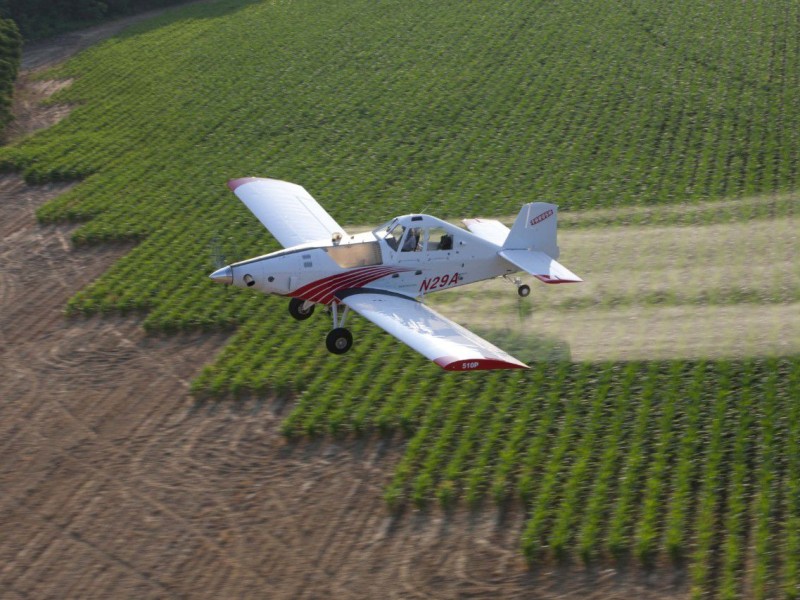
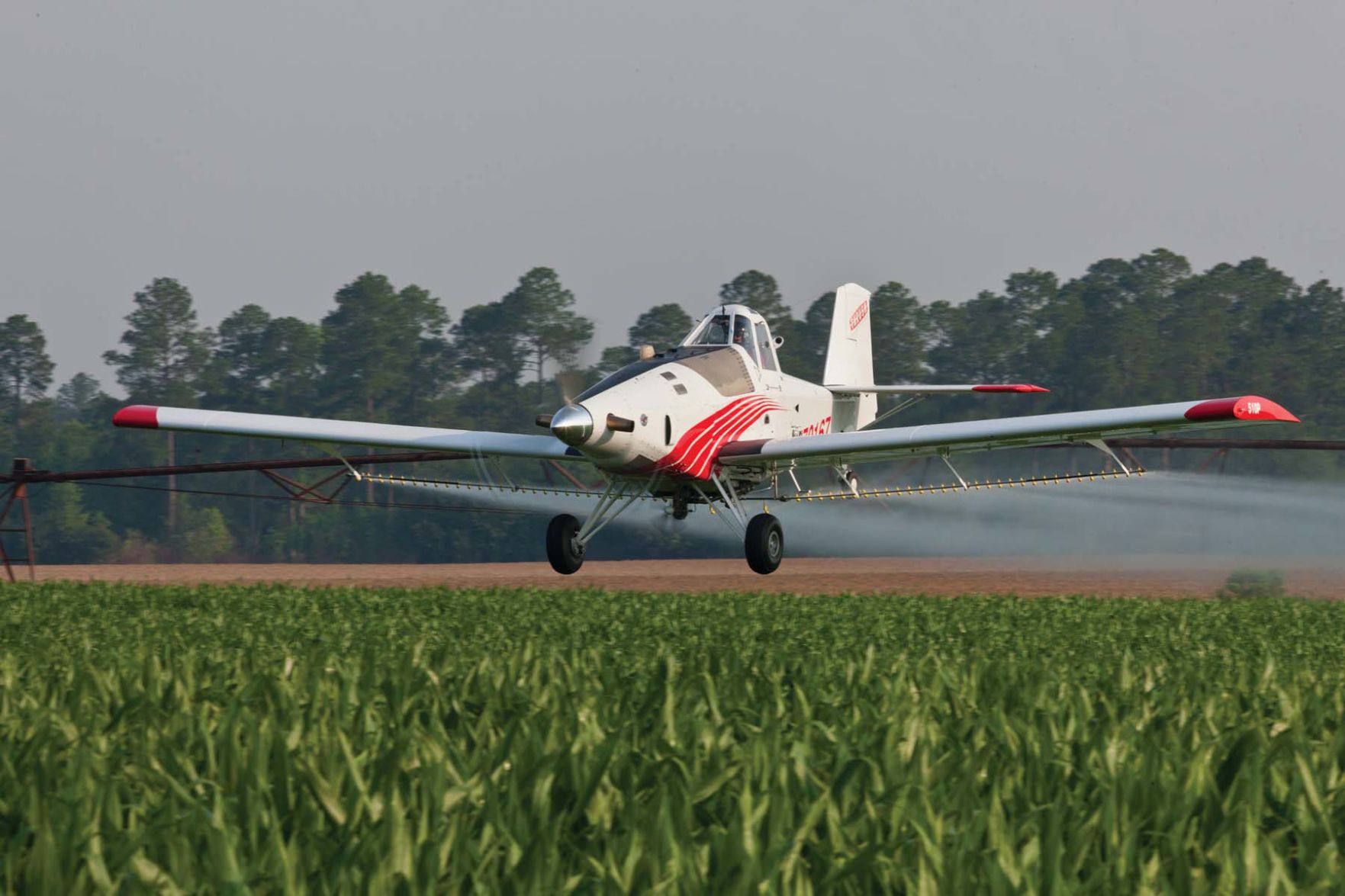
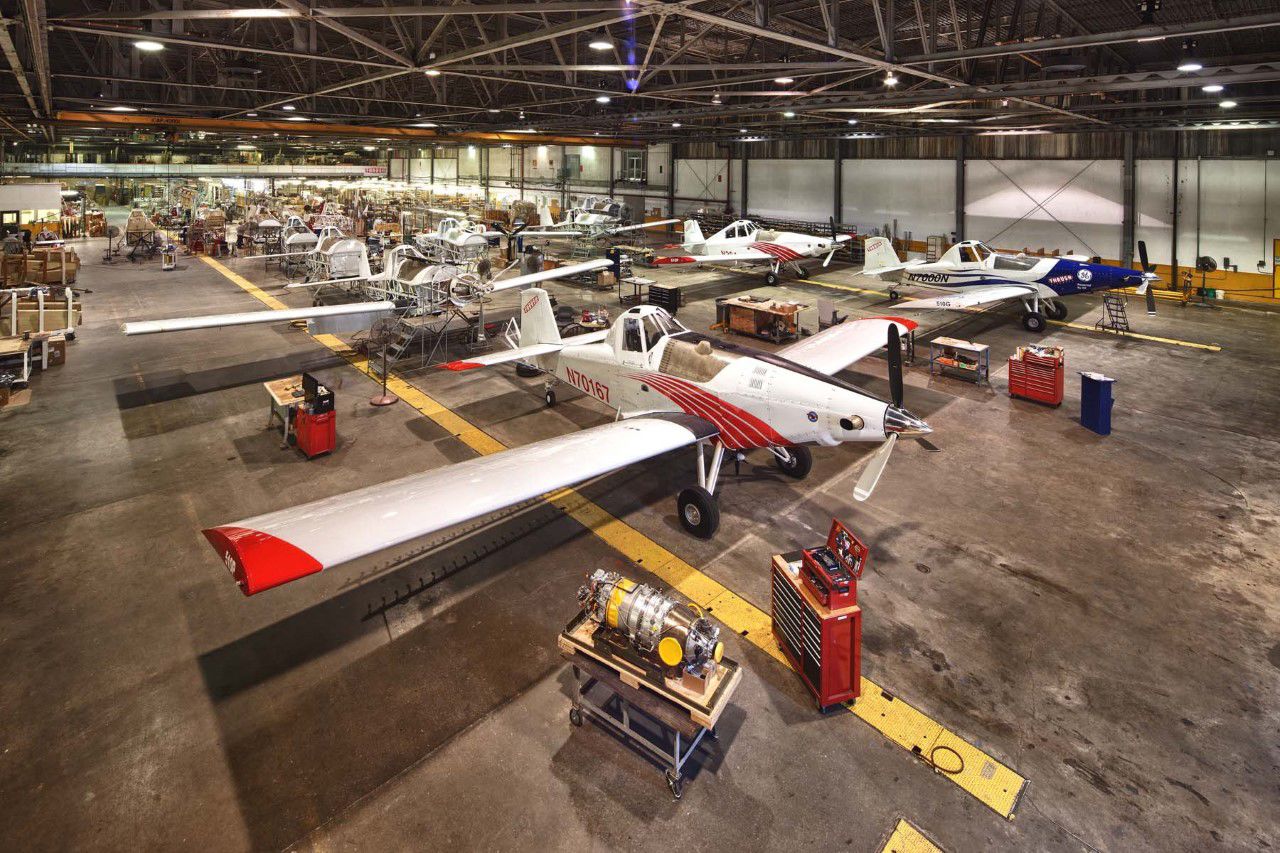
In the end, HHM — a new company whose principles are all former aviation CEOs and COOs — supplied the funding that supported Thrush through the reorganization and eventually gave it ownership of the Albany-based aircraft manufacturer. HHM put together a reorganization plan that has Thrush again doing what it does best: making aircraft used primarily by agriculture, firefighter and law enforcement markets, one of only two companies in the United States that makes such craft.
“The best thing about the new ownership is that we now have senior leadership in place that will allow us to focus on the business of building airplanes,” Eric Rojek, Thrush’s vice president of sales, said. “We were only under bankruptcy protection for 60 days, and all during that time we were still building and delivering airplanes.
“(HHM’s partners) give us the executive experience our company needed. They’re a perfect fit; they bring structure and guidance to the company.”
McDonald, who now serves as CEO of Thrush, said he and his partners came full circle from working to assure Thrush’s survival to owning the company.
“As of last Tuesday, we’re the dog that caught the car,” he laughed. “We came down to look at the operation here, and as the folks at Thrush opened the doors to us, we started working on a strategy to help the company get over the hump. The first step was for Thrush’s ownership to decide to file for reorganization under Chapter 11. As part of the bankruptcy process, somebody had to step up and become the ‘stalking horse.’
“That was us.”
McDonald explained that the stalking horse puts together a purchase agreement to buy the assets of a company. That agreement then becomes part of the public record.
“Once (the agreement) is out in the public, anyone can bid (on the assets),” he said. “We were OK with that, because even if someone topped our bid, our primary interest was still to see that Thrush survived and continued to make airplanes.
“After the period of time allotted in court, bids on the company come due. There were some last-minute gymnastics, but when it came time for the bids to be made public at auction, no other company offered a bid. Three days later, we closed on the purchase.”
Thrush and Texas-based Air Tractor are the only companies that make aircraft in the class targeted at agriculture and firefighting markets, markets that expand well beyond Albany and southwest Georgia. In fact, Rojek said, 70 percent of Thrush’s market is international.
“We sold aircraft in 13 different countries last year, including our first in Cambodia and Russia,” the Thrush VP said. “We manufacture a stock aircraft, then make modifications as needed … for banana growers in Costa Rica, for rice farmers along the Mississippi Delta, for night operations, liquid and dry applications.
“This business is a small, close-knit one with a family mentality. A handshake means more than a contract.”
Rojek said Thrush currently has around 60 employees, but McDonald said the company has begun to rehire staff and will continue to do so weekly into January.
“We just hired 11 people this week,” the company’s new CEO said. “We have to hire them week-by-week because we’re bringing back the supply chain, and we have to bring people on as materials and orders come in. We have to dovetail all those things in a manner that makes best sense for us.”
McDonald said in the time he’s been in Albany he’s had the opportunity to meet with city officials who “want to make sure they do what they can to help Thrush thrive and flourish.” That’s part of an overall picture, he adds, that has the company — from management to employees — excited about doing what Thrush was made to do: build aircraft.
“There is no buyer’s remorse,” McDonald said. “This is a good situation here: There is enough land that the investment makes sense and we’re excited about the future. There is plenty of data showing how beneficial these aircraft have become in modern-day agriculture, and we have a plan in place that gives us opportunity to grow even more significant.
“Even if things weren’t perfect, though, we have no intention of moving operations out of Albany.”
Related Articles
From cotton to cloud: In the data center debate, is rural Georgia once again being asked to carry the cost?
Across much of rural Georgia, the abandoned cotton warehouses and shrinking tax bases remain — enduring reminders that industries built to serve distant markets do not necessarily stay rooted in the communities that first sustained them.
My Grandpa Was Killed in World War II. I Met Him Through His Letters Home
Gina Wolf’s grandfather died before she was born. His letters sent to her grandmother from Europe during World War II made it possible to know what kind of man he was.
‘Sounds Like a Mutiny.’ Secret Recording Exposes Claims of Toxic Leadership After a Marine’s Suicide
This week’s War Horse story follows the systemic failures before and after the death of Cpl. Drew Mobley who was the third in two years at Marine Corps Base Quantico to die by suicide.
