
UGA study: Long COVID-19 is costing Americans money

The COVID-19 pandemic panic that characterized the early 2020s may be gone, but the SARS-CoV-2 virus is continuing to wreak havoc on some Americans’ finances, according to a new study from the University of Georgia.
Special Photo via UGA TodayBy Leigh Hataway
[email protected]
ATHENS – The COVID-19 pandemic panic that characterized the early 2020s may be gone. But the SARS-CoV-2 virus is continuing to wreak havoc on some Americans’ finances, according to a new study from the University of Georgia.
The researchers found that long COVID-19 is making it harder for people to pay their bills, buy groceries and keep their utilities on.
The study found that for individuals in the lowest income bracket, having long COVID increased the likelihood of food insecurity by 10 percentage points. They also were at higher risk of losing important utility services due to not being able to pay their bills.
“COVID is still going on,” Ishtiaque Fazlul, lead author of the study and an assistant professor in both UGA’s School of Public and International Affairs and UGA’s College of Public Health, said. “People’s financial well-being is being affected by long COVID. That’s something we should care about.”
The study suggests much of that financial hardship is the result of lost jobs and reduced working hours. And the researchers found that the negative economic effects of the illness are present regardless of socioeconomic status.
Having more flexibility in both hours and work-from-home policies could help long COVID sufferers keep their jobs and health care coverage. Increasing job security, access to credit, improving access to health care services to help patients manage symptoms of the condition also could make a real difference.
Published in Health Services Research, the study was co-authored by Mahmud Khan, a professor in UGA’s College of Public Health’s Department of Health Policy and Management, and Biplab Kumar Datta, an assistant professor at Augusta University.
Author

Related Articles

From cotton to cloud: In the data center debate, is rural Georgia once again being asked to carry the cost?
Across much of rural Georgia, the abandoned cotton warehouses and shrinking tax bases remain — enduring reminders that industries built to serve distant markets do not necessarily stay rooted in the communities that first sustained them.
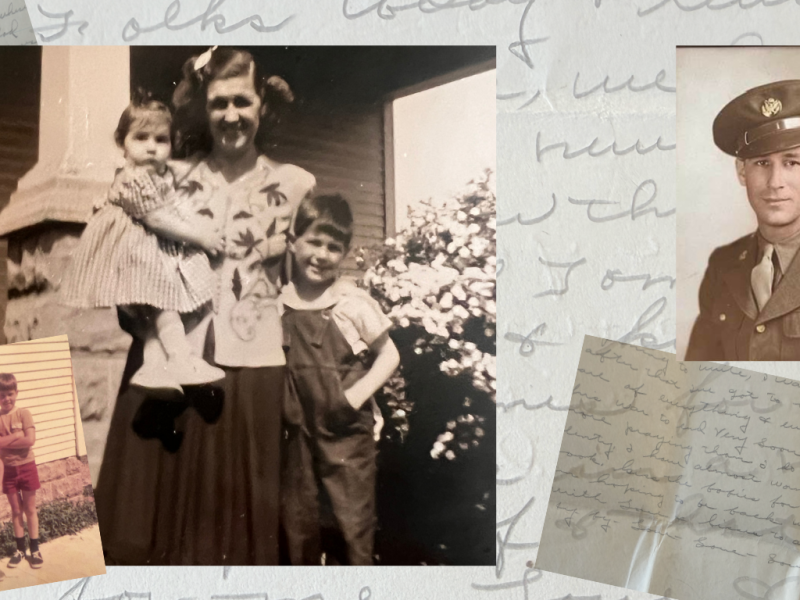
My Grandpa Was Killed in World War II. I Met Him Through His Letters Home
Gina Wolf’s grandfather died before she was born. His letters sent to her grandmother from Europe during World War II made it possible to know what kind of man he was.

‘Sounds Like a Mutiny.’ Secret Recording Exposes Claims of Toxic Leadership After a Marine’s Suicide
This week’s War Horse story follows the systemic failures before and after the death of Cpl. Drew Mobley who was the third in two years at Marine Corps Base Quantico to die by suicide.
