
What’s an election runoff and why are they important? Here’s what you need to know.
Noemi Griffin
[email protected]
On June 21, voters will return to the polls to cast their ballots in the primary election runoffs.
Four statewide Democratic races, including those for lieutenant governor and secretary of state, will be decided in runoffs.
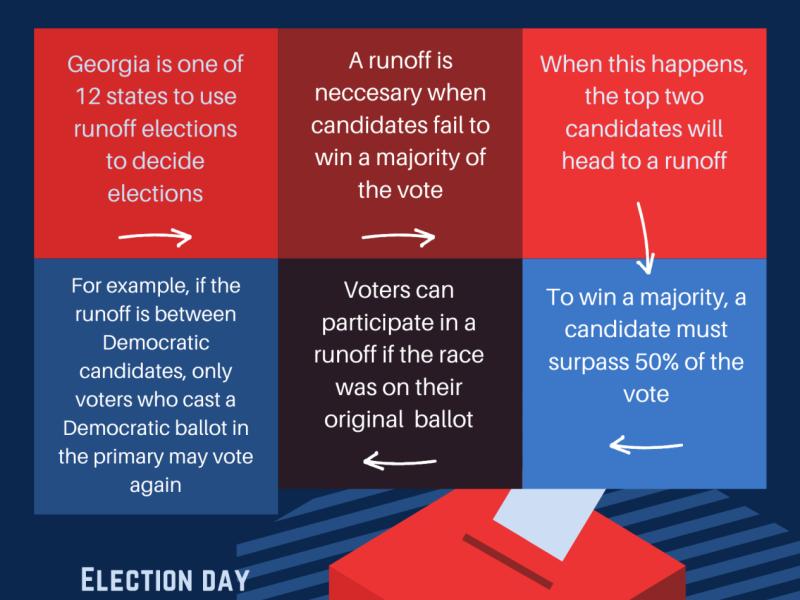
Georgia is one of 12 states that require a runoff to decide the election. In states without this law, the vote is awarded to the candidate with the most votes, regardless of whether that candidate received a majority.
Under Georgia law, if a candidate does not secure over 50% of the vote the top two candidates will head to a runoff.
For runoff elections, early voting begins the fourth Monday before the runoff election date, according to the Georgia government. In this election cycle, early voting began on Monday June 13 and ran until Friday June 17.
Georgia’s 2021 voting law, SB202, shortened the runoff period from nine weeks to four weeks after the primary election placing this election’s runoff on June 21. With a shortened runoff period the timeline to vote early in person and receive and return mail-in ballots is tighter than in previous election years.
The runoff election is different than normal election day voting as it narrows the field for voters. The shortened time-frame for runoff elections may also narrow the field of voters.
Additionally, in runoff elections only voters who cast ballots that included the race headed to the runoff in the primary are eligible to vote in the runoff. For example, in the four statewide Democratic races, only voters who originally cast Democratic ballots may participate in the runoff.
View the video below to see who is on the ballot for the runoff election. To view a sample ballot or find your polling location for Tuesday’s runoff, visit Georgia’s My Voter Page.
[email protected]

Related Articles
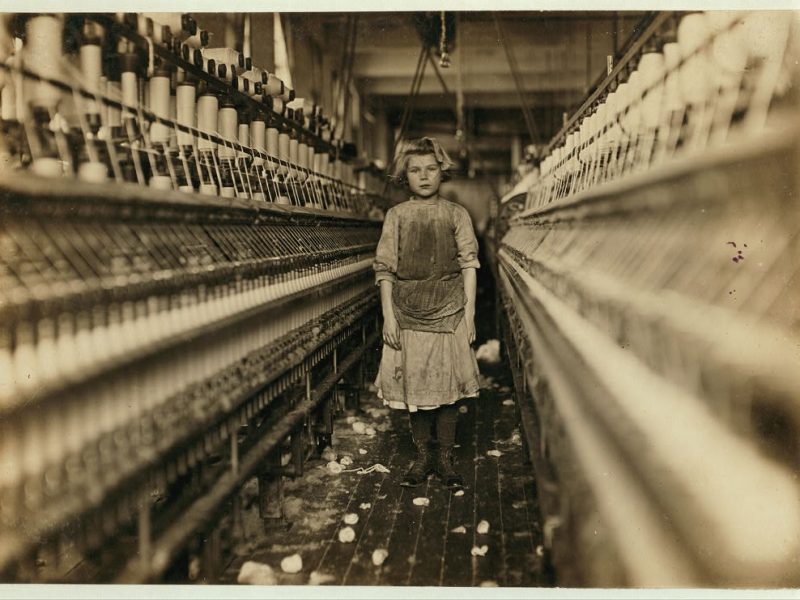
From cotton to cloud: In the data center debate, is rural Georgia once again being asked to carry the cost?
Across much of rural Georgia, the abandoned cotton warehouses and shrinking tax bases remain — enduring reminders that industries built to serve distant markets do not necessarily stay rooted in the communities that first sustained them.
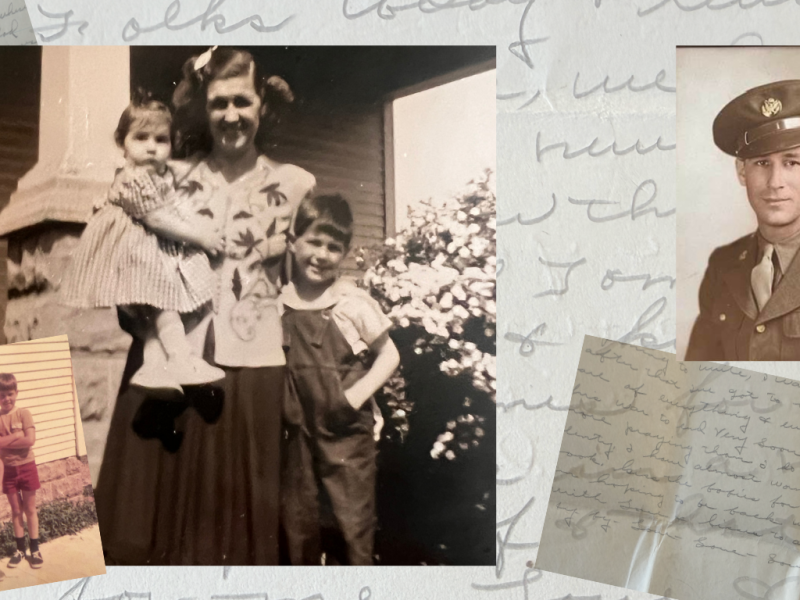
My Grandpa Was Killed in World War II. I Met Him Through His Letters Home
Gina Wolf’s grandfather died before she was born. His letters sent to her grandmother from Europe during World War II made it possible to know what kind of man he was.
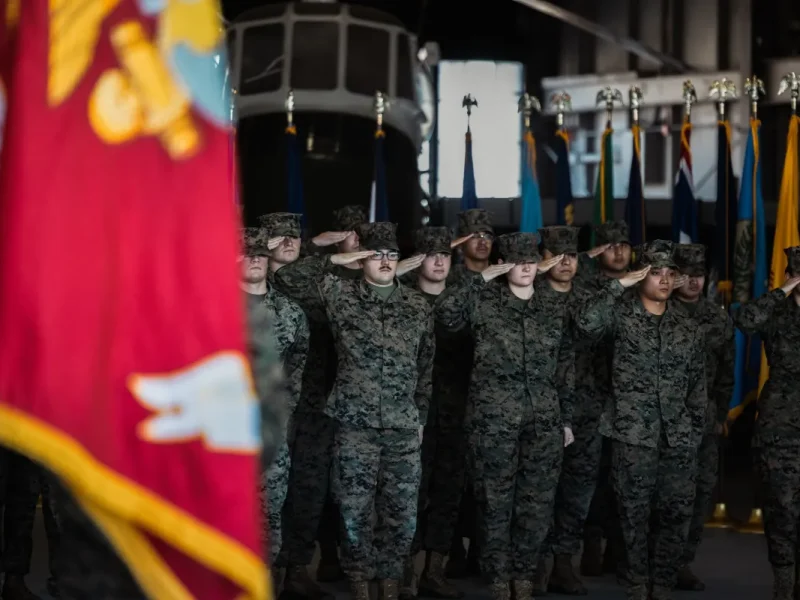
‘Sounds Like a Mutiny.’ Secret Recording Exposes Claims of Toxic Leadership After a Marine’s Suicide
This week’s War Horse story follows the systemic failures before and after the death of Cpl. Drew Mobley who was the third in two years at Marine Corps Base Quantico to die by suicide.
