
Aquatic invasive species threaten Georgia waterways
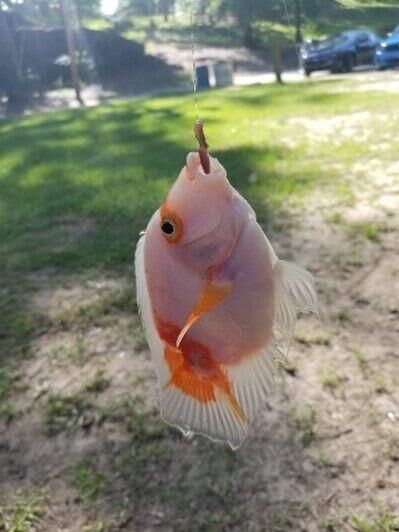
Special Photo: Georgia DNR
By Tom Seegmueller
[email protected]
“One alien is a curiosity, two are an invasion.” — Ursula K. Le Guin
ALBANY — While many in the media focus their attention on what is being referred to as an unprecedented invasion of our southern border, a second invasion with dire economic and environmental consequences is occurring with little fanfare here in Georgia.
The Georgia Department of Natural Resources Wildlife Resources Division has identified five aquatic nuisance species that are threatening a wide-ranging body of waters across the state.
“In an effort to bring this issue to the forefront of the public’s eye, we have created an online certification tool designed to teach participants about various species in or near Georgia; provide insight on why these invasive species are a big deal; and give guidance on how the public can help prevent these species from being introduced,” WRD Aquatic Nuisance Species Program Manager Jim Page said.
An aquatic nuisance species certification tool can be found online at georgiawildlife.com/ans. The training session can be completed in about 10 minutes and is a very concise but informative guide to the top five overall fresh and saltwater threats, including Giant Salvinia, Northern Snakehead, Lionfish, Zebra Mussel and Flathead Catfish.
“Prevention is the best tool we have to protect native species and minimize the impacts of invasive species,” Page said. “However, prevention requires help from everyone, so if you’re reading this, we need your help. This training only takes a few minutes to complete but can have a lasting effect if we allow the information to guide us and our future choices. The choices we make may be the difference in protecting and sustaining our ecosystems for generations to come.”
One reason prevention is the most effective tool in the arsenal to reduce the spread of ANS in the state is that most introductions of these species are the result of human activities. Inadvertent spread comes when species like the Zebra Mussel or Giant Salvinia, which can attach to boats or trailers in one body of water and, if the boats are not properly cleaned, can be transported to the next body of water that boat or trailer visits.
Zebra Mussels are hitchhikers and if established in a body of water can not only impact native mussel populations but cause millions of dollars in economic damage by clogging water intake pipes and damaging boat motors and other machinery.
Giant Salvinia is an invasive aquatic plant native to Brazil. After making its way to this country, it has inadvertently hitchhiked its way across the country on unwashed boats and trailers. Once established as a small floating mat, it can double in size every seven to 10 days, forming an impenetrable mat that overgrows and replaces beneficial native aquatic plant life.
Flathead Catfish are native to Georgia only on the Coosa River; however, they were intentionally introduced by “Bucket Biologists” into the Altamaha and Satilla Rivers. To date, they have severely impacted this fishery, which is home to the world record redbreast sunfish and the bullhead catfish. They are known to prey on at least a dozen native species in the waterway. DNR has been trying to suppress the flathead population and minimize its impact on native species where they have been illegally introduced.
One of the most feared nuisance species, the Northern Snakehead, was discovered in a Gwinnett County pond when a fisherman caught a pair. A further survey by DNR found 32 more snakeheads living in the pond. This aggressive fish can grow to 33 inches and is considered to be an apex predator, eating many other species. Adding to its potential as a threat is the fact that it can actually travel over land on its own, “walking” from one body of water to another. It is often confused as a native Bowfin or mudfish but is distinguishable by its large anal fin extending over half its body length.
Georgia’s saltwater fishery is not immune to the aquatic nuisance species threat. The Lionfish population off our coast was probably introduced into the Atlantic as a result of Hurricane Andrew or released by an exotic fish collector. DNA indicates that as few as three fish were the genetic genesis of the Lionfish now threatening the fisheries on the Atlantic coastline from Florida to North Carolina.
The first pair were found in 50 feet of water off the coast of North Carolina in 2000. Having the ability to breed every 55 days, releasing thousands of eggs, they are already proving to be a formidable adversary to native species.
The aquatic nuisance species threat to Georgia is not limited to these five species. Nile Tilapia, Grass Carp, Red Shiners and Asian Swamp Eels are also potential threats. Therefore, it is important to report non-native species to a regional WRD office. There are two methods to do this: by taking several pictures and reporting online or the preferred method that includes removing and retaining a specimen and reporting it to WRD so it can be examined and identified.
Author

Related Articles
Lee County homeowners have until Aug. 15 to claim property tax exemptions
Lee County homeowners have until Aug. 1 to apply for homestead and other property tax exemptions for the 2026 tax year, a deadline members of the Lee County Board of Tax Assessors highlighted Monday as they encouraged eligible residents to take advantage of available tax relief.

Dawson police arrest wanted suspect after Flock Safety camera alert
According to police, May drove into the yard of a nearby residence instead of complying with officers’ commands. He then exited the vehicle and ran into the home on foot.
Lee County stands alone without E-SPLOST. Here’s what that means for schools, taxpayers and the county’s future
Following the defeat of its referendum, Lee County became just the second of Georgia’s 159 counties without voter approval for an active ESPLOST, leaving the school system without the state’s primary local funding source for major construction, renovations, school buses and other capital improvements.
