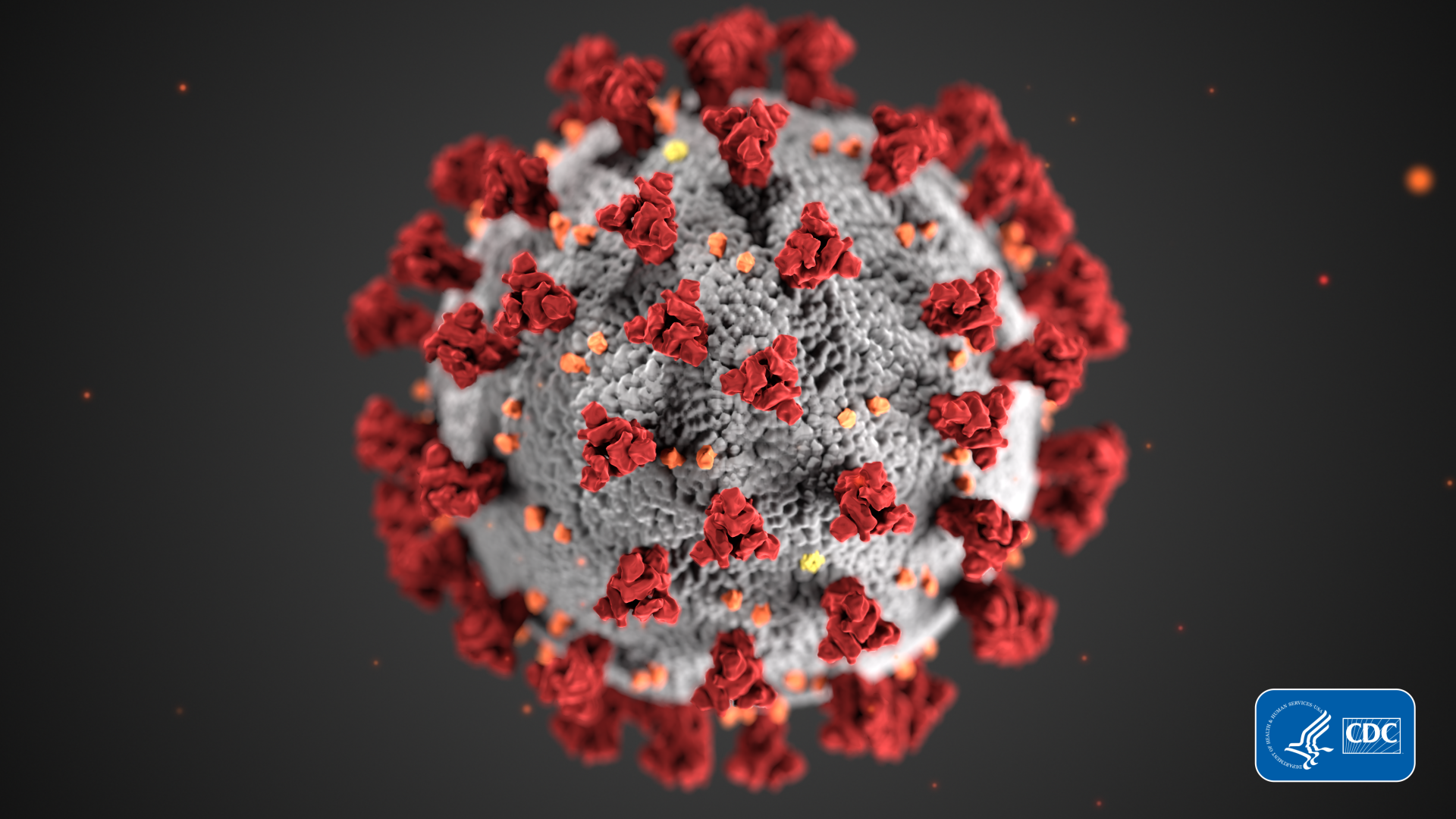
Based on the reports to date, the global mortality rate is between 2% and 2.5%. Risk of hospitalization or mortality is higher in elderly patients and those with other chronic medical conditions. More than 80% of COVID-19 patients report mild, flu-like symptoms. Photo: CDC
Northeast Georgia Medical Center in Braselton attempted to filter the waves of reports on social media, in the news and on television about Coronavirus (COVID-19).
Supriya Mannepalli is medical director of Northeast Georgia Physicians Group Infectious Disease and Chair of the Northeast Georgia Medical Center Infection Prevention and Control Committee. She is an expert in treating bacterial, viral parasitic and fungal infections.
Mannepalli provided a list of currently known details and common misconceptions regarding the disease.
Photo: CDC
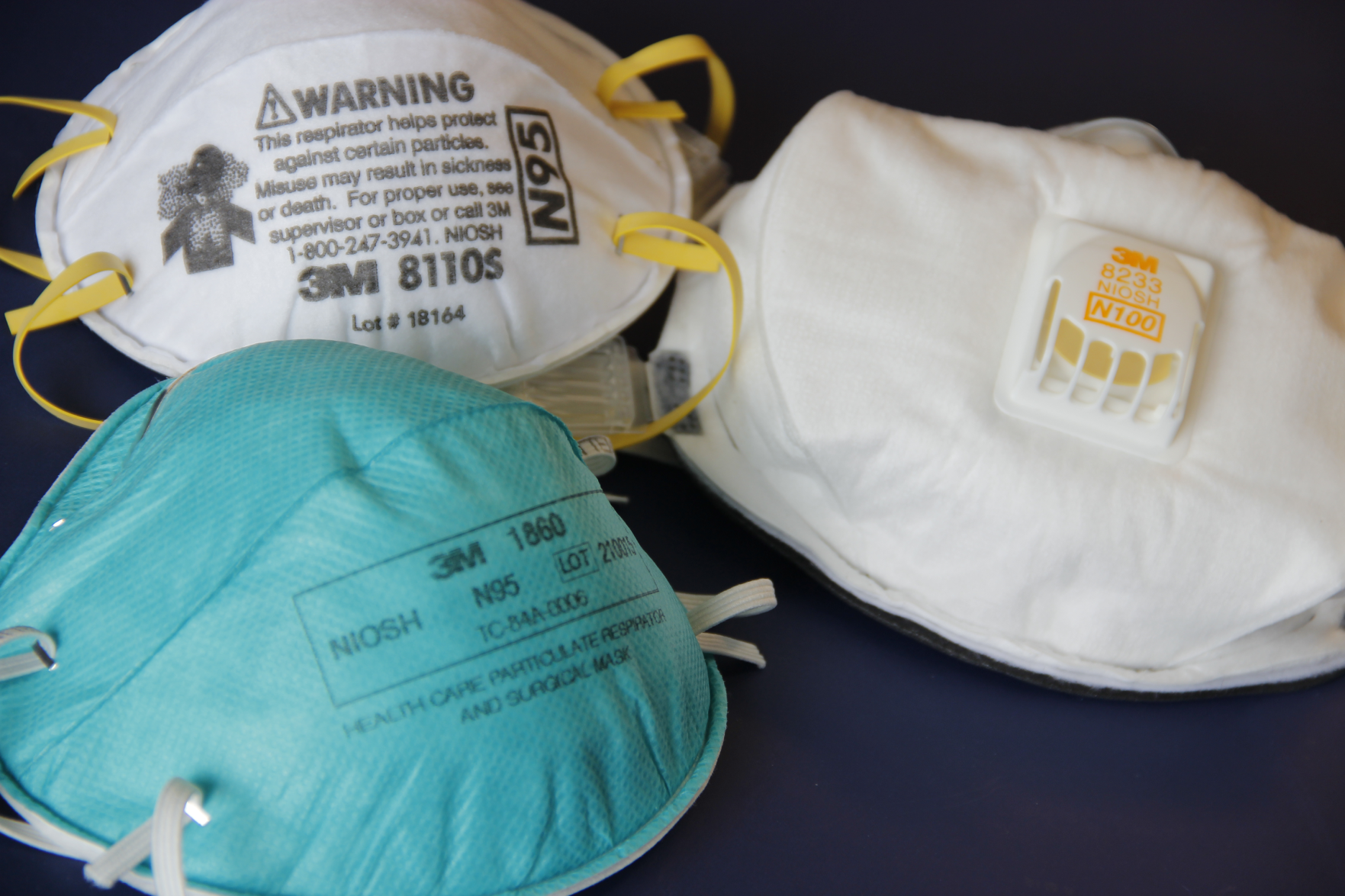
The Centers for Disease Control (CDC) does not recommend face masks for the general public who are well as a protection from COVID-19 or other respiratory diseases. Certain models of professional, tight-fitting respirators — such as N95 respirators, pictured above — can protect healthcare workers while caring for patients with certain infections. Healthcare workers are fit tested for these masks annually and are trained to use them properly.If people stockpile masks at their homes out of concern, they could inadvertently prevent healthcare facilities from getting the supplies they need for ill patients and the staff treating those patients. Instead, good hand hygiene — washing hands for at least 20 seconds — is very important. Cough etiquette — covering your mouth while you cough or sneeze and then washing hands or using sanitizer — is highly recommended.
Photo: CDC/Robert Denty
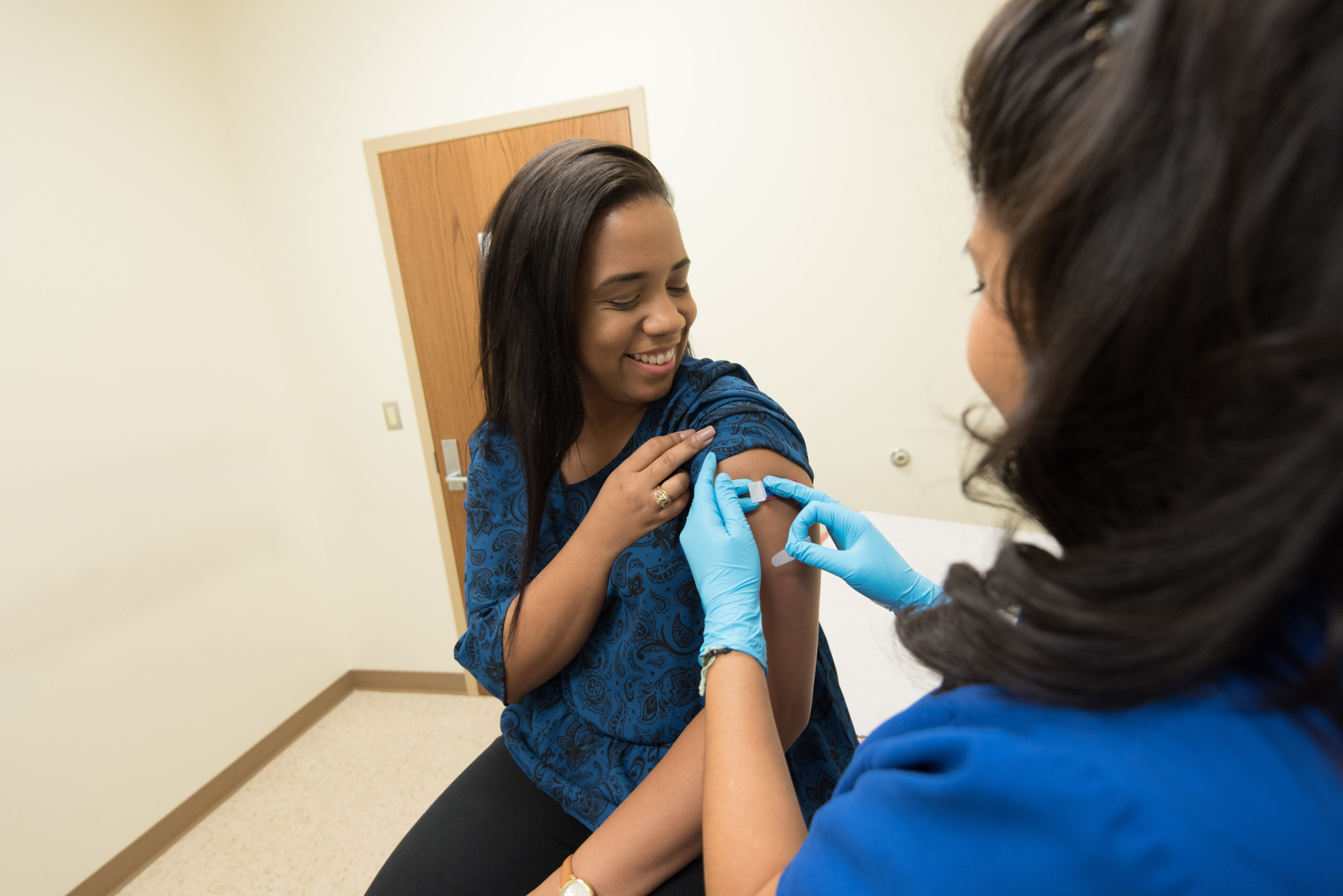
There is no vaccine currently available to protect us against COVID-19 illness. The flu vaccine is highly recommended to prevent influenza, which is currently much more common in the U.S. than COVID-19. It is very important for us to be prepared for any new public health event, but that should not distract us from focusing on what is common currently in the U.S., like flu.
Photo: CDC
COVID-19 is a viral illness, and antibiotics are effective against bacterial infections. As of now, there is no proven evidence to support the use of antibiotics for COVID-19. Unnecessary antibiotic use can lead to the development of resistant bacteria and other complications.
Photo: CDC
According to the World Health Organization, there is no evidence that mail can transmit COVID-19. WHO reports that this virus does not survive long on objects such as letters or packages.
Photo: CDCPhoto: CDC
The CDC estimates this season we have had 32 to 45 million flu cases as of the end of February. COVID-19 has been identified in multiple countries including the U.S., but reports as of March 2 show it is less prevalent than flu.
Photo: CDC
The US Centers for Disease Control and Prevention published interim guidance Sunday recommending “that for the next 8 weeks, organizers (whether groups or individuals) cancel or postpone in-person events that consist of 50 people or more throughout the United States.”