
Coronavirus has changed the art of storm chasing
Special Photo
From staff reports
STATE COLLEGE, Penn. – For most of the world, working from home means turning a spare room or a kitchen table into a work space. But for those whose work space has never been confined to a desk or a building, the impact of social distancing has hit much differently.
The life and location of a professional storm chaser can change every week, depending on where the next major weather event occurs. With different forms of observable weather in any number of states, much of the storm chaser’s life is spent on the road, driving for hours or days to capture a few minutes of nature’s breathtaking power.
But like the rest of the world, the impacts of the COVID-19 pandemic have turned that life upside down. The chase is still on — but how do you do it in the age of social distancing? Could cyber-chasing be a thing?
“We’ve had to change our chasing style, our way of life completely,” said Aaron Rigsby, a storm chaser with KKTV 11 News in Colorado.
“My whole career has been basically living in disaster areas and now, the whole country is a disaster area,” Brandon Clement of WXChasing.com said. “It’s not typical to what you would see with a hurricane or tornado, but it’s essentially a disaster area. The biggest difference now is that I’m not looking for downed power lines or gas leaks, but rather contact with people that I’m staying away from.”
Like the severe storms themselves, the future of chasing operations is unclear as many chasers have no idea when the storminess of the coronavirus situation may clear or if there may be any 2020 severe season to salvage.
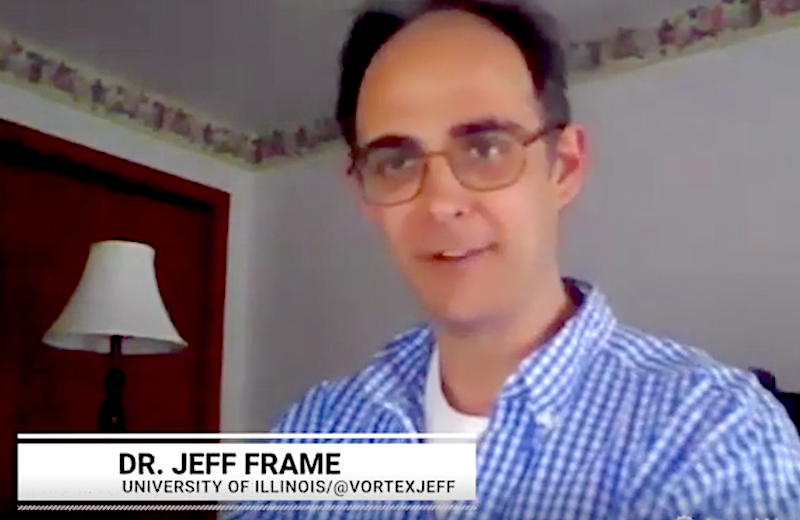
For some, like photographer Colin Davis, the pandemic directly hits his favorite hobby and way to “witness the wonder of nature.” For others, like Jeff Frame, a professor at University of Illinois, this era of social distancing has disrupted classroom procedures and the gathering of research.
AccuWeather, recognized and documented as the most accurate source of weather forecasts and warnings in the world, has saved tens of thousands of lives, prevented hundreds of thousands of injuries and tens of billions of dollars in property damage. With global headquarters in State College, Penn., and other offices around the world, AccuWeather serves more than 1.5 billion people daily to help them plan their lives and get more out of their day through digital media properties, such as AccuWeather.com and mobile, as well as radio, television, newspapers, and the national 24/7 AccuWeather Network channel. Additionally, AccuWeather produces and distributes news, weather content, and video for more than 180,000 third-party websites.
Related Articles
Lee County homeowners have until Aug. 15 to claim property tax exemptions
Lee County homeowners have until Aug. 1 to apply for homestead and other property tax exemptions for the 2026 tax year, a deadline members of the Lee County Board of Tax Assessors highlighted Monday as they encouraged eligible residents to take advantage of available tax relief.

Dawson police arrest wanted suspect after Flock Safety camera alert
According to police, May drove into the yard of a nearby residence instead of complying with officers’ commands. He then exited the vehicle and ran into the home on foot.
Lee County stands alone without E-SPLOST. Here’s what that means for schools, taxpayers and the county’s future
Following the defeat of its referendum, Lee County became just the second of Georgia’s 159 counties without voter approval for an active ESPLOST, leaving the school system without the state’s primary local funding source for major construction, renovations, school buses and other capital improvements.
