
Georgia Hunters for the Hungry program needs funding to grow services
By Lucille Lannigan
[email protected]
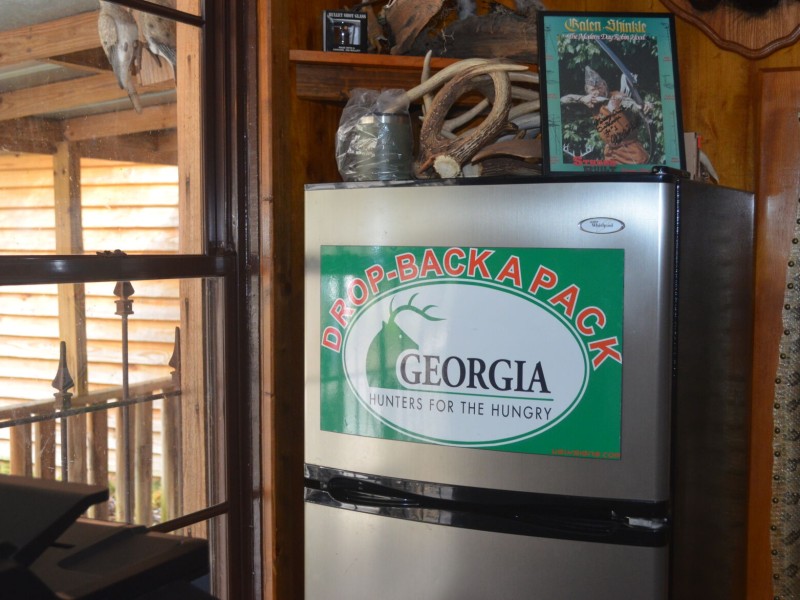
DAWSON — Georgia hunters have donated excess deer meat to others in need since 1993 through Georgia Hunters for the Hungry. About 30 years later, the program is struggling to bounce back with funding in the wake of the COVID-19 pandemic.
GHFTH can provide up to 57,000 meals per season when fully funded. Adam Schiavone, a wildlife technician at Georgia Wildlife Federation, said the program donated 11,912 pounds of meat in the year before the pandemic started. The program saw 4,791 pounds, or about 19,164, meals in the 2022-23 season.
“Funding has gotten significantly smaller since COVID, and it just hasn’t come back,” he said. “We used to reach a lot more people.”
The Wildlife Federation, a nonprofit dedicated to protecting Georgia’s natural resources, sponsors GHFTH. It raises funds to pay processors for venison that is donated to food banks. Schiavone said GHFTH is a way for hunters to give back. Hunters can take meat that they don’t need to one of the program’s 12 processors across the state.
GWF is experiencing a funding shortage for the program for the 2023-2024 hunting season. Schiavone said a lot of funding sources pulled out at the start of the pandemic because many were worried about making a profit.
Venison is a high-quality, protein-rich meat. Its nutritional value outperforms red meat in leanness, as well as less fat and calories, according to the Penn State University extension office.
Eliza McCall, the Second Harvest of South Georgia Food Bank’s chief program officer, said the program is a great help when it’s available. However, it’s been a few years since Second Harvest has received GHFTH donations.
“High-quality proteins are always in short supply in food banks,” she said. “With food costs being high, anytime we can get donations, it helps us.”
McCall said she would love to see the program expanded in the region with the addition of more processors.
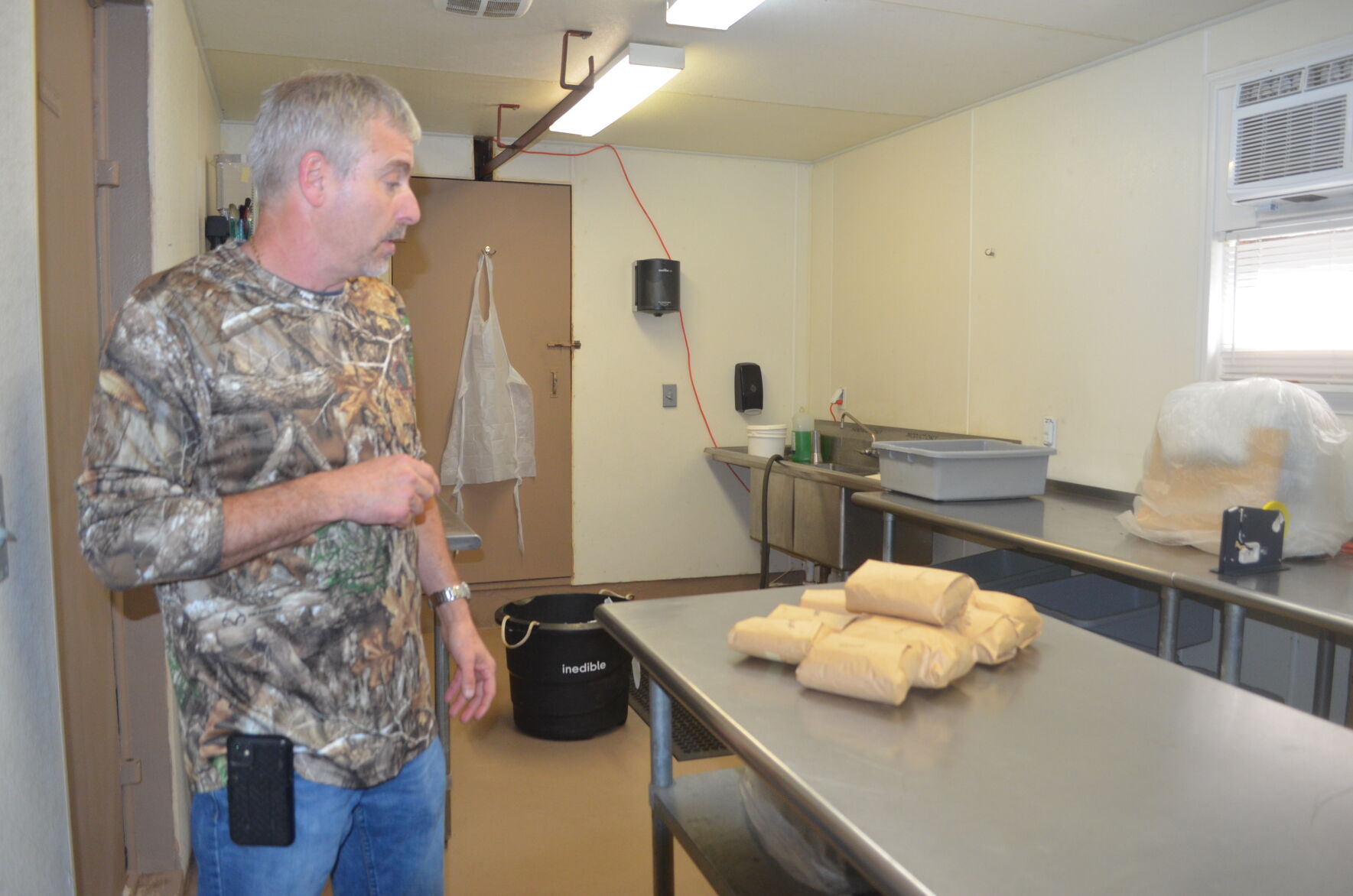
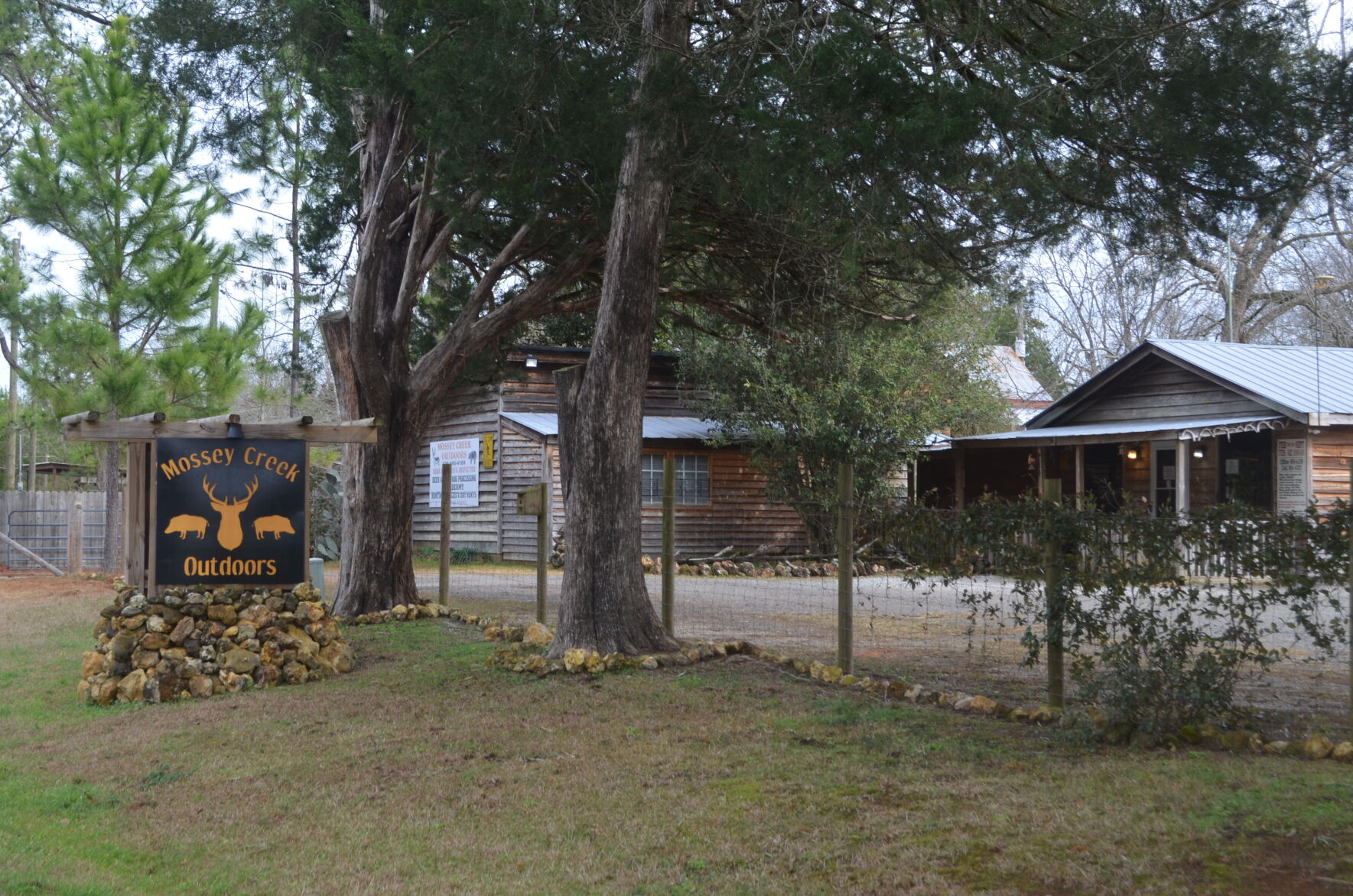
Dan Redmond is the owner of Mossey Creek Outdoors, a hunting facility, taxidermy shop and the only meat processor still partnered with GHFTH in southwest Georgia. The second-closest option is in Columbus.
Mossey Creek Outdoors is in Dawson and has participated in GHFTH for more than 10 years. Redmond said it donates more than 1,000 pounds of venison per year to the Albany Rescue Mission, a nonprofit that provides more than 7,000 meals to those in need in Albany each month, according to its website.
Of those 1,000 pounds, Redmond said he only charges GHFTH for about 450 pounds because that is all the program can afford right now.
“We donate regardless,” he said. “We hate for the meat to go to waste, and it helps the community.”
Redmond said he has about 100 customers who donate meat. Many travel to the Terrell County processor from surrounding counties. Redmond’s business doesn’t profit from the program. The funds GHFTH offers cover about 20% of his processing fee, he said.
Redmond said he sees the benefit of the program and plans to continue donating. He said he hopes to see changes in funding, allowing for more processors and an emphasis on crop damage permits from the state Department of Natural Resources, which allow people to remove a specific number of deer from land outside of season. He said right now, many of the deer killed through these permits are going to waste.
“That’s a problem,” Redmond said. “A lot of the hunters … with crop damage permits … they shoot these deer and throw them in piles and do nothing with them when they should make them bring them to a processor.”
Schiavone said increasing the number of processors as well as focusing on these depredation permits is something the GWF plans if funding increases. A potential new funding source is in the works but hasn’t been confirmed. Schiavone declined to give more information at this time.
“If it does go through, it’s gonna completely change the program,” he said. “It’ll be a consistent funding source that we don’t have to worry about trying to get every year.”
Schiavone said the program lost participating processors in the last couple of years for multiple reasons. For some, GHFTH lacked funding to support them. Others simply went out of business, which Schiavone said is a pattern he’s seeing across the state.
There aren’t enough participating processors to cover the state, he said, but there are plenty of potential ones. Hunters who want to donate deer sometimes have to drive two or three hours to the closest processor. Schiavone said he hopes more funding will allow them to increase the number of processors — especially in south Georgia.
Schiavone said with more funding, GHFTH would like to contract certain processors to take deer out of season on those depredation permits. It would be a big increase in the number of deer the program takes in.
Southwest Georgia would be a primary focus for these two advancements because of the large number of deer and farmers using depredation permits in the area, he said.
These changes will take time if the new funding source comes through.
“It probably won’t reach its maximum until two or three seasons ahead,” Schiavone said. “It’ll be a challenge to grow it to what we want fast.”
Dougherty County District 4 Commissioner Russell Gray said southwest Georgia is a majority poor, rural, underserved and under-resourced area where many have to travel for sources of healthy food.
Gray said he sees the value in the program’s potential but also recognizes flaws that deter hunters and processors. The price that GHFTH paid per pound to processors doesn’t support processors enough to encourage them to participate in the program, Gray said.
“You’re doing charity work, but it should also pay,” he said.
Gray pointed to logistics issues with soup kitchens and food pantries as well. There is often a lack of storage and some discrepancy in how the meat gets to these organizations. He said if GHFTH developed a more efficient supply and demand as well as delivery system, the program could be very effective in the region on a seasonal basis. He urged the DNR to put more into the program’s infrastructure.
“I think that there could be a working committee that’s put together to collaborate on this, like ‘How do we make this work and what’s it going to take from a budgetary standpoint?’” Gray said.
Investing more money so that the endeavor is profitable for processors is a potential solution, Gray suggested. Partnering with food banks and pantries like Feeding the Valley Food Bank to utilize storage and maximize reach is another. It could also be used as a game management tool.
If funding remains the same for the 2024 season, Schiavone said he doesn’t see the program’s numbers growing or decreasing. He’s positive about the potential new source to save it.
Schiavone said there’s been a push for Hunters for the Hungry programs in other states to work together to find larger funding sources as well.
A minimum of $30,000 is required each year for the program to effectively feed Georgia families in need, the GHFTH site reads. People can find a link to donate at https://gwf.org/ghfth/.
Author

Related Articles

Wild Game Dinner marks 34 years as South Georgia Scouting reaches for next generation
More than a century after organized Scouting first took root in Southwest Georgia, local leaders say the program is working to preserve its traditional mission while adapting to a new generation of young people.
Dawson’s $10.2 million sewer project leaves major financial questions unresolved
As Dawson’s finance director resigns and operating pressures mount, records show $10.2 million in sewer funding, frozen loans, missing audits and gaps in the public accounting of project money.

Foreclosures jump 52.9% across the region as buyers regain negotiating power
In Dougherty County, the number of residential properties advertised for foreclosure has nearly doubled this year. In neighboring Lee County, developers are preparing to add hundreds of new houses and apartments, including homes aimed at buyers who have struggled to find newer housing at an attainable price.
