
Hunters beware: Unprotected gunshots can damage hearing permanently
Special Photo
By Tom Seegmueller
[email protected]
“Like a persistent whisper from the universe, the ringing in my ears is a mysterious melody only I can hear.” — AI
ALBANY — The first clue I had that my hearing was not what it used to be came along about the time I turned 20. I still recall waking up to the annoying sound of what seemed to be an unceasing symphony of crickets serenading me late one cold December night. Realizing the temperature outside was in the teens and crickets were not a possibility, I decided I better get my ears checked.
The diagnosis of Tinnitus came as no surprise. By this point in life, with a decade of working on construction sites, cutting pulpwood, hunting, shooting and a good dose of Southern Rock under my belt, I was informed the damage was done. I learned Tinnitus is a variety of sound that is heard when no corresponding external sound is present. It is not a disease but a symptom that occurs from underlying causes of hearing damage with the most common being noise-induced hearing loss which is associated with a decreased comprehension of speech.
Research shows that diminished hearing impacts more than your ability to hear what is being said across the room. Those with hearing loss frequently also suffer from self-isolation, depression, which in turn can lead to a predisposition to other health conditions.
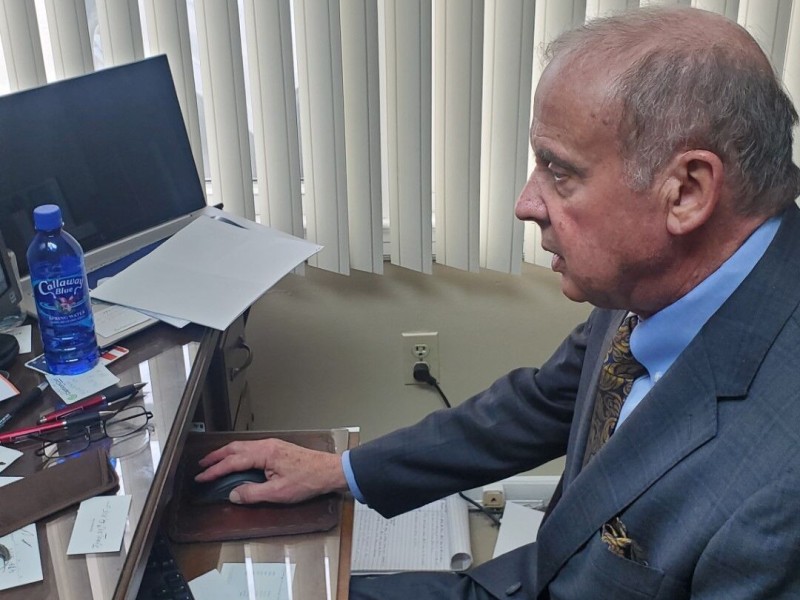
Ralph Jackson, owner of Hearing Aid Services Inc. in Albany, says I’m not alone.
“One in six Americans experiences hearing loss with 87% doing nothing about it,” Jackson said. “I guess the reason most do nothing about it is that no pain is involved. It’s not like a tooth or back ache. If there was pain involved, there would be a line of cars backed up to Slappey Drive waiting to see me today.
“Generally, you lose hearing a little at a time, so gradually you don’t really notice it. I always heard one gunshot could damage your hearing forever. But, as a shooter, I was like, ‘I don’t know about that.’”
Jackson noted a recent occasion when two patients came in during the same month, both complaining of dramatic hearing loss following the shooting of a firearm. With testing, he discovered significant hearing loss due to inflammation caused by exposure to high decibel (dB) sounds. He immediately referred both to an Ear, Nose & Throat specialist, and after a regimen of steroid treatment, some hearing returned for both patients.
“When I test people’s hearing, I can tell not only if they are a shooter, but whether they are a right- or left-handed shooter,” Jackson said. “There’s a little notch we get at about the 4-kilohertz range; we call that a ‘shooters notch.’ When I ask if they shoot, they ask how I know. I tell them the testing told me.”
We both acknowledged that in our formative years, hearing protection was rudimentary and wearing it was considered to be a little wimpy. Today we are paying the price for that vanity. Fortunately for shooters today, hearing protection is greatly improved and using it in some form is not only accepted but considered a sign of an experienced shooter.
Normal conversation takes place at about 60dB. Gas-powered lawnmowers or leaf blowers come in at 80 to 85dB. Noise levels above 85dB are considered hazardous to hearing, and gunshots greatly exceed that with the anemic .22 firearm reaching 125dB and shotguns and centerfire guns coming in at 160 to 175+ dB, respectively. Earmuffs were once considered the standard for serious ear protection. They are still available today and range from basic foam muffs to those containing electronic hearing enhancement and noise-blocking capability. The negatives to wearing earmuffs is they are, hot, uncomfortable and can get in the way when shooting long guns.
Asked what else shooters can do to protect their hearing, Jackson said they need to always wear some kind of hearing protection highlighting the following options:
· The lowest level of protection comes from disposable foam ear plugs. However, they are good for only a few uses before they become degraded and need replacement.
· Custom ear plugs offer the next level of protection. They can be a solid plug blocking all sound or may have a valve built in which allows the shooter to hear what’s going on around them but when the shot is fired, blocks the pressure from the gunshot.
· The highest level of functional protection comes from custom-fitted ear plugs offering electronic protection and enhancement. These plugs amplify surrounding sounds for those that already have damaged hearing. Then when a shot is fired, they automatically shut out the resulting pressure waves from the ear. These can cost anywhere from a few hundred dollars to a thousand dollars-plus.
“At the end of the day, protecting your hearing is worth every penny,” Jackson said. “It’s one of those things in life that until we don’t have it, we don’t miss it.”
Jackson should know. He has lost all hearing in his right ear.
Author

Related Articles

Lee County homeowners have until Aug. 15 to claim property tax exemptions
Lee County homeowners have until Aug. 1 to apply for homestead and other property tax exemptions for the 2026 tax year, a deadline members of the Lee County Board of Tax Assessors highlighted Monday as they encouraged eligible residents to take advantage of available tax relief.
Dawson police arrest wanted suspect after Flock Safety camera alert
According to police, May drove into the yard of a nearby residence instead of complying with officers’ commands. He then exited the vehicle and ran into the home on foot.
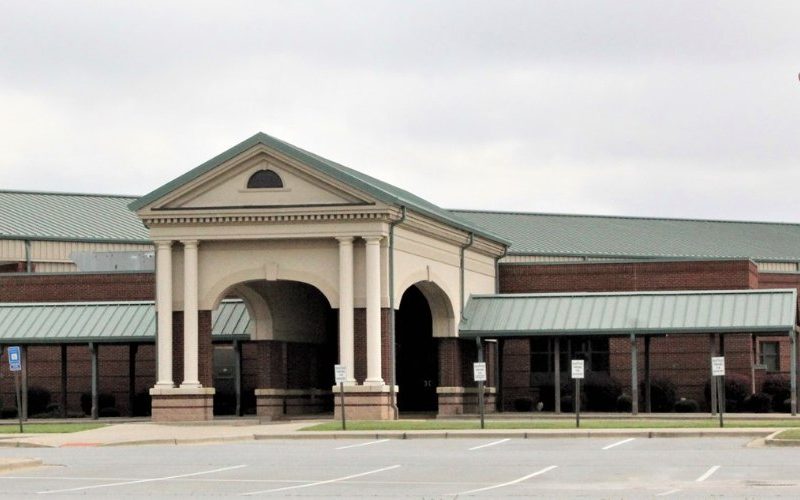
Lee County stands alone without E-SPLOST. Here’s what that means for schools, taxpayers and the county’s future
Following the defeat of its referendum, Lee County became just the second of Georgia’s 159 counties without voter approval for an active ESPLOST, leaving the school system without the state’s primary local funding source for major construction, renovations, school buses and other capital improvements.
