
Hunters’ to-do list after pulling the trigger
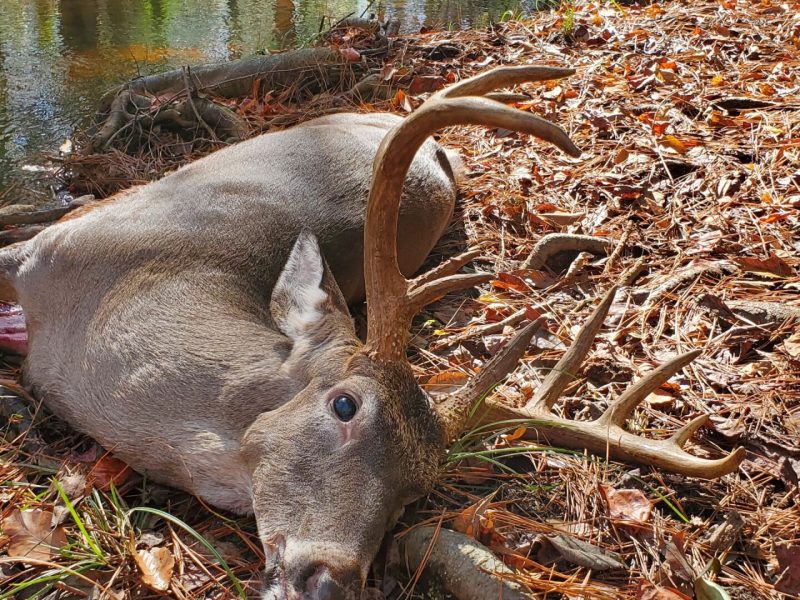
Sometimes what happens after you pull the trigger on that deer is as important as anything you did before you made the shot.
Staff Photo: Tom SeegmuellerBy Tom Seegmueller
[email protected]
ALBANY -‒ Sometimes what happens after you pull the trigger on that deer is as important as anything you did before you made the shot.
First take a deep breath and let it out. If your deer dropped immediately, keep your eyes focused on it and be prepared to take a second shot if your deer suddenly decides he’s not as dead as you thought he was.
After you are satisfied that he is indeed dead, follow your normal procedure for safely exiting your stand or blind. Be sure your firearm is unloaded. Be sure that you are wearing your hunter orange. Although required by law to wear hunter orange at all times while hunting, you may have inadvertently taken it off for a number of reasons and forgotten to put it back on. Now is not a good time to be without it.
If your deer was not as dead as you like and did not fall when you shot or fell and got up before you could fire a second shot, it’s best to stay on your stand for about 15 minutes. During this period, replay how the deer reacted to the shot. Visualize exactly where and how the deer was standing when you took your shot. A wounded deer’s adrenaline can override the results of even what should be a lethal shot. Deer can travel surprising distances before they finally succumb to their wounds.
When you leave the stand, go immediately to the point where the deer was standing when you shot. If you do not find any blood, hair, or other evidence that you actually hit the deer with your shot, place something on the ground where you last saw it standing and begin a circular search for a blood trail that indicates the deer was hit and what direction it was heading after it was wounded. If you find evidence of a successful shot but do not find your deer after going a short distance, it is best to wait an hour before pursuing the wounded animal, which will continue to flee if pushed.
During this period might be a good time to reach out to a canine or drone tracking service for assistance in tracking your deer. Taking even a few hours to wait for their assistance can mean the difference in getting your deer in a relative short period or spending hours on its trail.
Once you are able to lay your hands on your deer, there are several other issues that need to be addressed, regardless of how long it takes to locate. First you need to be sure and complete your harvest record before moving the carcass from the spot where it fell. Remember to report the harvest within 24 hours at GoOutdoorsGeorgia.com or 1-800-366-2661.
The next thing you need to do is get your deer to a processor as soon as possible so it can be field-dressed and placed in a cooler to prevent spoiling. It is advisable to let the cooler operators know how long your deer has been dead so they can verify that it is still feasible to process. Most processors will not accept a deer that has been field-dressed as the meat may be contaminated by hair, grass, leaves or stomach and fecal matter.
If you are processing your own deer, it is advisable to field-dress it as soon as possible, and if temperatures are warm, place bags of ice in the cheat and abdominal cavities to keep it cool until you can break it down and package it or get it to a personal cooler. In cold weather, it may be safe to leave the deer hanging overnight or in the shade until you can break it down for butchering and packaging.
Author

Related Articles
Dawson police arrest wanted suspect after Flock Safety camera alert
According to police, May drove into the yard of a nearby residence instead of complying with officers’ commands. He then exited the vehicle and ran into the home on foot.
Lee County stands alone without E-SPLOST. Here’s what that means for schools, taxpayers and the county’s future
Following the defeat of its referendum, Lee County became just the second of Georgia’s 159 counties without voter approval for an active ESPLOST, leaving the school system without the state’s primary local funding source for major construction, renovations, school buses and other capital improvements.
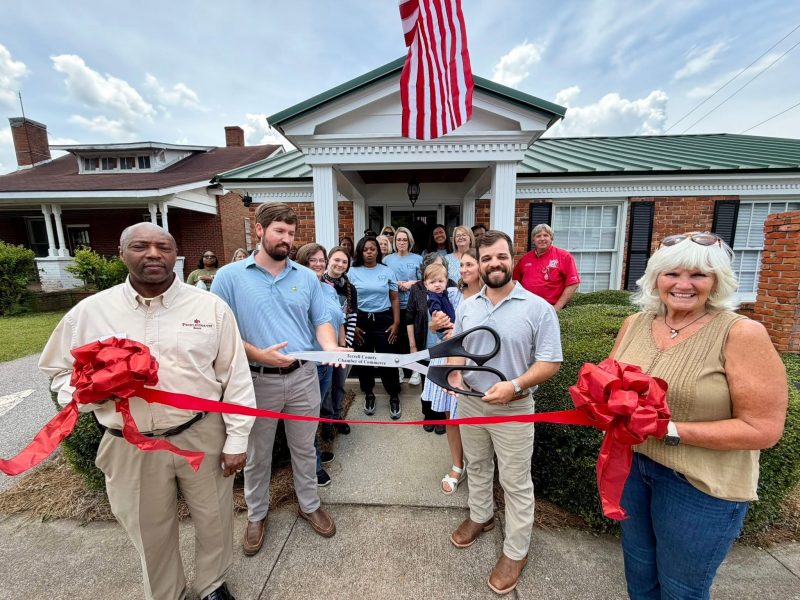
Chamber celebrates new businesses, invites community to Coffee and Connections event
The Terrell County Chamber of Commerce is continuing its efforts to strengthen local business relationships through community celebrations and networking opportunities, recently recognizing two new businesses with ribbon-cutting ceremonies and announcing its next “Coffee & Connections” event in Sasser.
