
SCOTT LUDWIG: The legacy of John Lennon
Scott Ludwig
By Scott Ludwig
[email protected]
I trust I’m not the only Baby Boomer with vivid memories of exactly where I was and what I was doing on three prominent dates in history: Nov. 22, 1963; Dec. 8, 1980; Sept. 11, 2001.
The first and last ones I imagine are recognizable by almost everyone, as they are the days that President John F. Kennedy was assassinated and the World Trade Towers and the Pentagon were struck by airplanes commandeered by al-Qaeda terrorists.
As for the one in the middle, that was the day that John Lennon was killed in front of his home by a crazed fan for whom he’d autographed an album earlier that same day, Mark David Chapman.
December 8, 1980: the day the music died.
In the late 1960s — I was a teenager at the time — there was a rumor circulating around the world that Paul McCartney of the Beatles was dead. Killed in a car crash, as I recall.
I did my fair share of investigating. So did my close friends. In fact, everyone my age was doing it. We discovered that the cover of Abbey Road was the depiction of a funeral procession. Ringo, in black, was the undertaker. George, dressed in denim was, of course, the gravedigger. And Paul, not wearing any shoes, was the corpse. As for John, we’ll get to him shortly. The Beatles were alleged to have replaced the real Paul with the winner of a McCartney lookalike contest.
There were also numerous theories about certain songs having hidden meanings in the lyrics and others that, if played backwards, suggested Paul was dead. (I could never figure out how to play a song backwards, so I can’t vouch for any of them. Neither could any of my friends.)
None of this, of course, was true. But it stirred the fears and imagination of teenagers all over the world.
I intentionally skipped over John earlier when I mentioned the Abbey Road cover. Lennon was dressed entirely in white and perceived to be a heavenly figure. Then, a little more than 10 years later, that perception would prove to be horribly prophetic. That’s why I didn’t mention it earlier.
Once the Beatles broke up, all four — John, Paul, George, Ringo — went on to successful careers as solo artists. John Lennon and his wife, Yoko Ono, were devout peace activists who spent their lives encouraging people to work toward a harmonious existence. Lennon’s plan was simple: If just a few people could pitch in and promote their beliefs through their thoughts, words and actions, peace and harmony would ultimately spread all around the globe.
Only Lennon’s life ended way too soon. He was just 40 when he was senselessly gunned down, losing his life and, with it, his dreams of building a better world.
It’s interesting that these “where were you when” moments happen about every two decades. I’m sure the generation before me remembers exactly where they were and what they were doing on Dec. 7, 1941, when the Japanese attacked Pearl Harbor.
1941, just about two decades before JFK was shot, which was two decades before Lennon suffered the same fate. Then, two decades later, 9/11.
Now, flash forward to 20 years after 9/11. I’m sure we all remember where we were and what we were doing on Jan. 6, 2021, the day the United States Capitol in Washington, D.C., was attacked by a violent mob in an attempt to overthrow our democracy. The strides our country had made toward any semblance of harmony over many, many decades was destroyed in a matter of just a few hours.
Jan. 6, 2021, will, in essence, be remembered as the day that Americans put a boot to the throat of the dream Lennon devoted his life trying to make come true. The only thing Lennon wanted was to give peace a chance.
Maybe, just maybe, we can pick up the pieces and start back up where he left off. Regardless of what happens in the days ahead, it’s rather obvious we still have a long way to go. A long way to go before we have any hope at all of fulfilling the legacy John Lennon left behind.
Author
Related Articles
Chamber celebrates new businesses, invites community to Coffee and Connections event
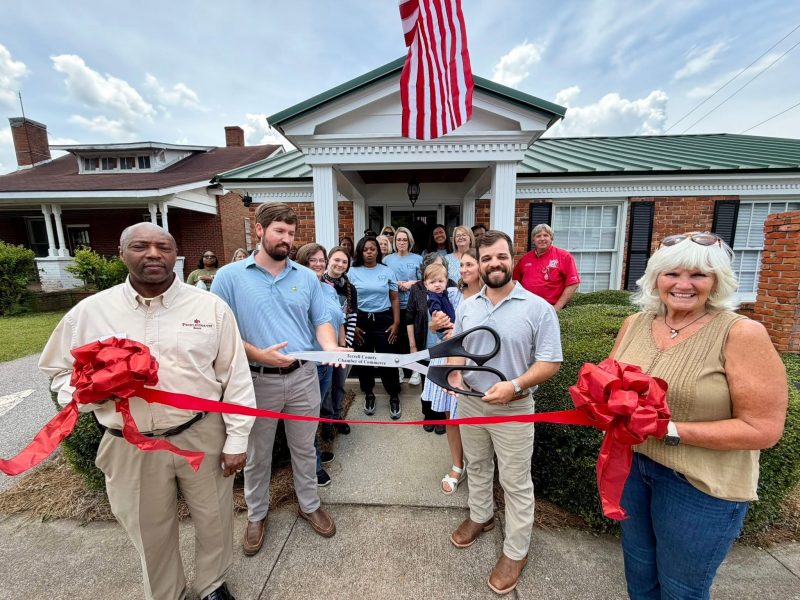
The Terrell County Chamber of Commerce is continuing its efforts to strengthen local business relationships through community celebrations and networking opportunities, recently recognizing two new businesses with ribbon-cutting ceremonies and announcing its next “Coffee & Connections” event in Sasser.
Regional catering business finds new home at Warrior Creek Mercantile
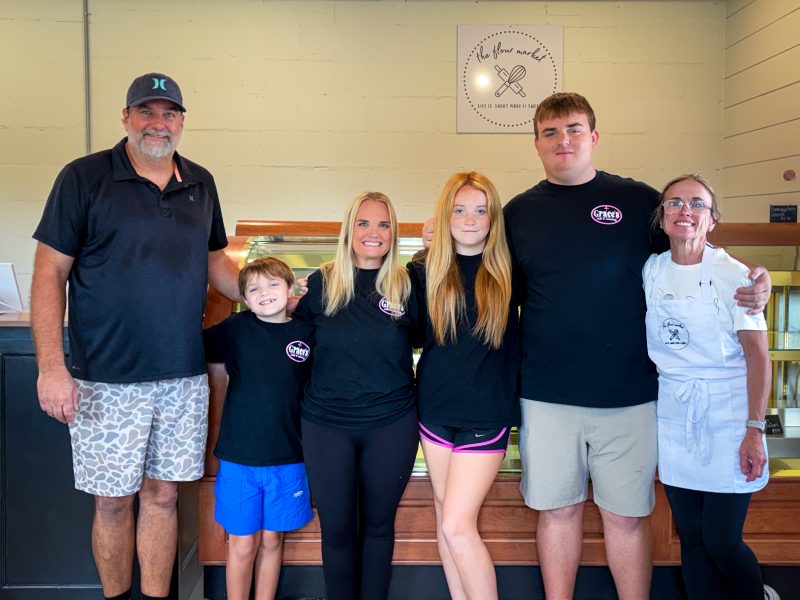
For months, Marchbanks said she had been asking God for an opportunity to serve others. “I just kept praying, ‘God, use me as a servant,'” she recalled. “I didn’t care what it was. I just wanted to be used to help people.”
Houston, Ford advance in contentious Lee County school board race
According to unofficial election results, challenger George Parrish Houston led the three-candidate field with 534 votes, or 42%, followed by incumbent Donna Ford with 478 votes, or 37.6%. Candidate Lavendra Shootes received 261 votes, or 20.5%.
