
After early struggles with heat, excess rain, Albany area farmers now facing drought
Staff Photo: Alan Mauldin
By Alan Mauldin
[email protected]
MOULTRIE — Southwest Georgia was spared by Hurricane Ian last week, but days after that monster storm brought heavy winds, torrential rainfall and flooding to much of Florida, area farmers are wishing for a little precipitation themselves.
“It’s been a challenging year,” Jeremy Kichler, an agricultural extension agent in Colquitt County, said. “In June it was hot. In August there was a lot of rain.”
Now farmers are looking at an extended period of dry weather. Seminole County is listed in the moderate drought stage, along with half of both Decatur and Early counties. Much of the rest of the state, including the metro Atlanta area, is abnormally dry, although the rest of southwest Georgia was not yet in that condition.
Peanut maturity is a function of heat units and moisture, Kickler said, and the latter has been lacking in recent weeks.
“With the dry weather, it’s affecting peanut maturity,” he said. “We’re running out of soil moisture, and they’re not maturing. It’s rocked along about a month since we’ve had any type of rain.”
Farmers who use irrigation will need to water their peanut crop to fill out the peanut pods underground.
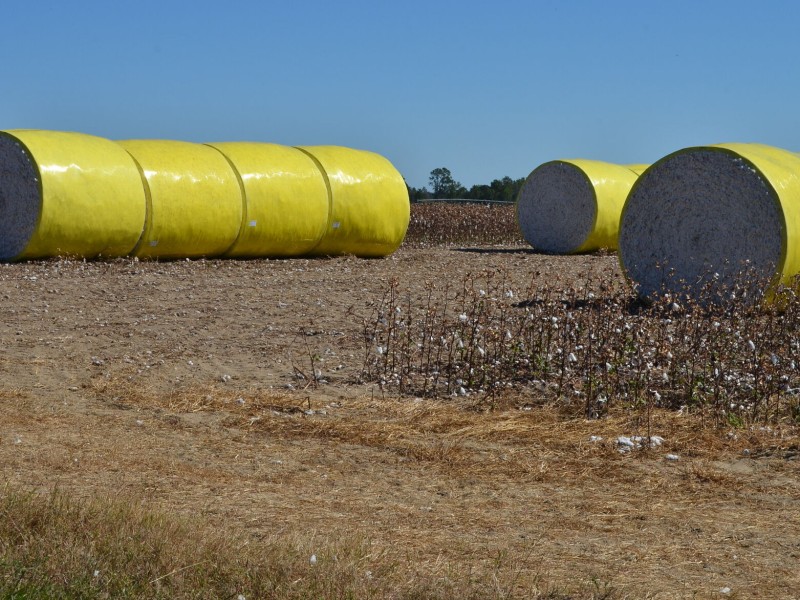
The excessive rainfall earlier in the summer is being felt by cotton growers at harvest time due to boll rot. Boll rot can strike when the plants receive rain during the time the cotton boll is opening, Kichler said, and can reduce yield.
“So we’ve had a lot of boll rot problems,” he said. “I think yield is going to be off probably 10 to 15%, from what I’m seeing.”
White flies, which can transmit a variety of viruses to plants, also have been the worst since probably 2017, Kichler said, and farmers had to deal with that issue by application of chemicals to cotton plants.
“Even though cotton prices were good at one point, there have been additional costs of treatment for white flies,” he said.
Ian’s winds extended into the region, but were not tropical storm strength in the area. Farmers delayed harvesting as they waited to see where the storm, which ultimately tracked eastward on its way toward land, would go.
“The good thing was we dodged the bullet,” Kichler said. With the large harvesters available these days “we can roll through a lot of cotton in a hurry.”
Author

Related Articles

United Way of Southwest Georgia halts funding for regional restructuring
The United Way of Southwest Georgia plans to withhold typical funding for a whole year during a “restructuring” period.

Federal agency to investigate Monday paragliding fatality
The death of a 63-year-old man who was killed in a paragliding accident on Monday is under investigation by the National Transportation Board, according to Dougherty County Coroner Michael Fowler.

Audit of police surveillance cameras results in arrests of five former APD officers
“The bottom line is when we find people who have misused resources that they have, we’re going to hold them accountable. These resources help fight crime, but we will not tolerate when they are misused.”
