
Albany City Commission receives update on looming sewage system deadline
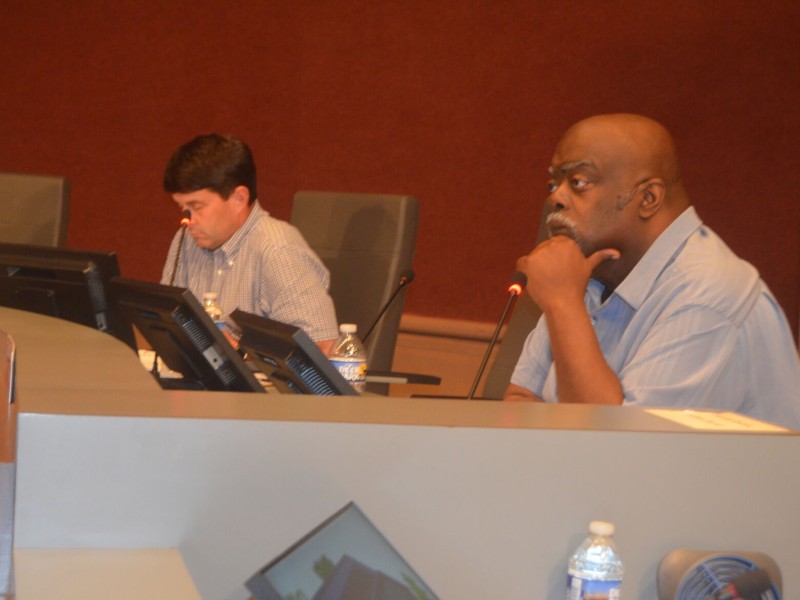
Staff Photo: Alan Mauldin
By Alan Mauldin
[email protected]
ALBANY – As the city of Albany tries to beat the clock on a mandate requiring separation of its sewage and stormwater, issues with delivery of needed equipment is causing delays as the project heads toward completion.
“It’s one of those ‘if everything works out’” (situations), Jeff Duplantis, water technology director for Abdurra, the city’s consultant and project manager on the project, said during an interview following a presentation to the Albany City Commission. “We’ve got schedules. Material delays are one of the things we’ve been dealing with.
“We’ve got one-year lead times. We’ve got it ordered, and we can’t get it for a year.”
The city is under a mandate from the Georgia Environmental Protection Division to complete 85% separation of stormwater and sewage by June 2025. The overall project cost is more than $100 million, and the city has dedicated sales tax and COVID relief funds to the project. It also has received some grant funding.
During his presentation to the commission, Duplantis put the current projected total cost of the project at about $130 million, up from the little less than $100 million initially estimated.
Some of the material, such as piping, has leveled off in pricing, but that is not the case for other equipment.
“Anything having to do with electrical, we’re seeing high numbers,” Duplantis said.
Heading into the stretch, projects are being prioritized to focus on finishing work related to the mandate ahead of work not related to that goal, Duplantis told The Albany Herald.
Asked whether the EPD could give the city a break if its efforts are thwarted by unavoidable delays, such as equipment issues, Duplantis said it is a possibility.
“If we’re moving toward this June 25 (deadline) … I’ve seen where they’ve taken into consideration what you’re trying to do,” he said.
That is not something the city can count on, and if it fails to meet the deadline, it could incur fines of up to $25,000 per day.
Author

Related Articles
Lee County orders Winifred Road speed study as growth raises safety concerns
Lee County will study traffic speeds along Winifred Road and consider lowering the posted speed limit following residential growth and the resurfacing of the increasingly traveled corridor.
‘There’s only one Palmyra’: Residents defeat Ledo Road rezoning
A standing-room-only crowd erupted in applause Tuesday after Lee County commissioners rejected a request to expand general commercial zoning along Ledo Road beside the Palmyra subdivision.

PHOTOS: Albany State’s Good Life City Expo
Photos by Reginald Christian, Albany State University
