
Albany Commission hears report on food deserts in community
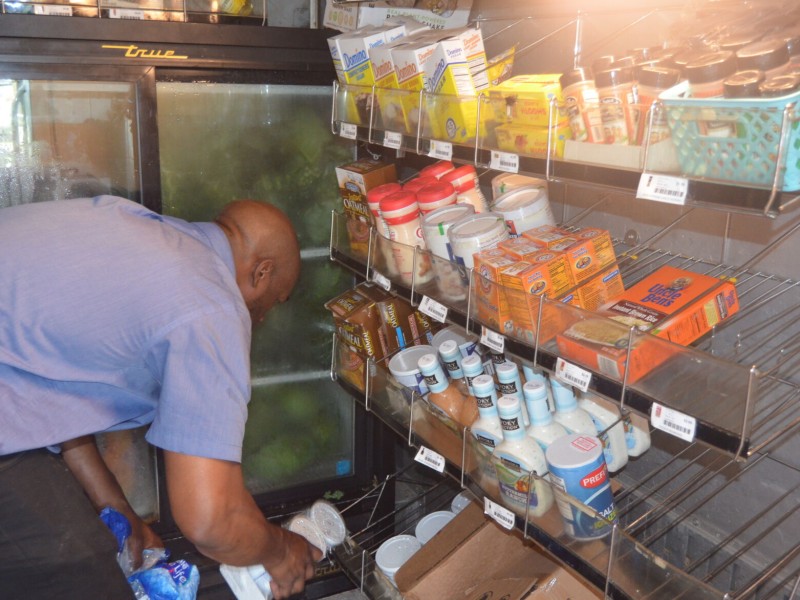
File Photo: Alan Mauldin
By Alan Mauldin
[email protected]
ALBANY — Southwest Georgia is a region where tomatoes, cabbage, peppers, melons and more are grown by the thousands of acres. But for many people in Albany, that fresh produce often remains out of reach.
That was the message of groups looking to irrigate the city’s food deserts gave to Albany city commissioners on Tuesday. Enticing grocery stores to locate in underserved areas is a goal of the commission.
Stores where a city resident can pick up healthy foods are few and far between in the city and are concentrated in northwest Albany, said Veronica Adams-Cooper of Albany State University, who referenced a study performed from Feb. 24-June 15 of this year.
Albany State and the Georgia Institute of Technology were part of the team that participated in the study.
“Out of 120 of local accessible stores and one mobile grocer, only nine stores — that’s 8 percent — had a total (score) range between 39 to 46 percent, the highest range for food access,” she said during the commission meeting, held in a virtual format.
Of the eight large grocery stores in the city, three are located in the city’s Ward V, and one each in Wards I, II and IV, Adams-Cooper said. The majority of Albanians without cars live in Wards I and IV.
East and especially south Albany are the most underserved areas in the city, she said.
While the chronic health conditions endemic in the area, and which affect minority populations the hardest, are well-known, COVID-19 brought the reality of those conditions home, said Samara Sterling, a nutrition scientist.
The disease has been particularly deadly to those whose underlying health conditions include obesity, heart disease and Type 2 diabetes.
“COVID-19 really illustrated some of the vulnerability, particularly in the black community,” Sterling said.
According to the U.S. Centers for Disease Control and Prevention and the World Health Organization, some 80 percent of cases of heart disease, Type 2 diabetes and other related health conditions could be eliminated with a better diet, she said. And about 48 percent of Americans have some form of heart disease.
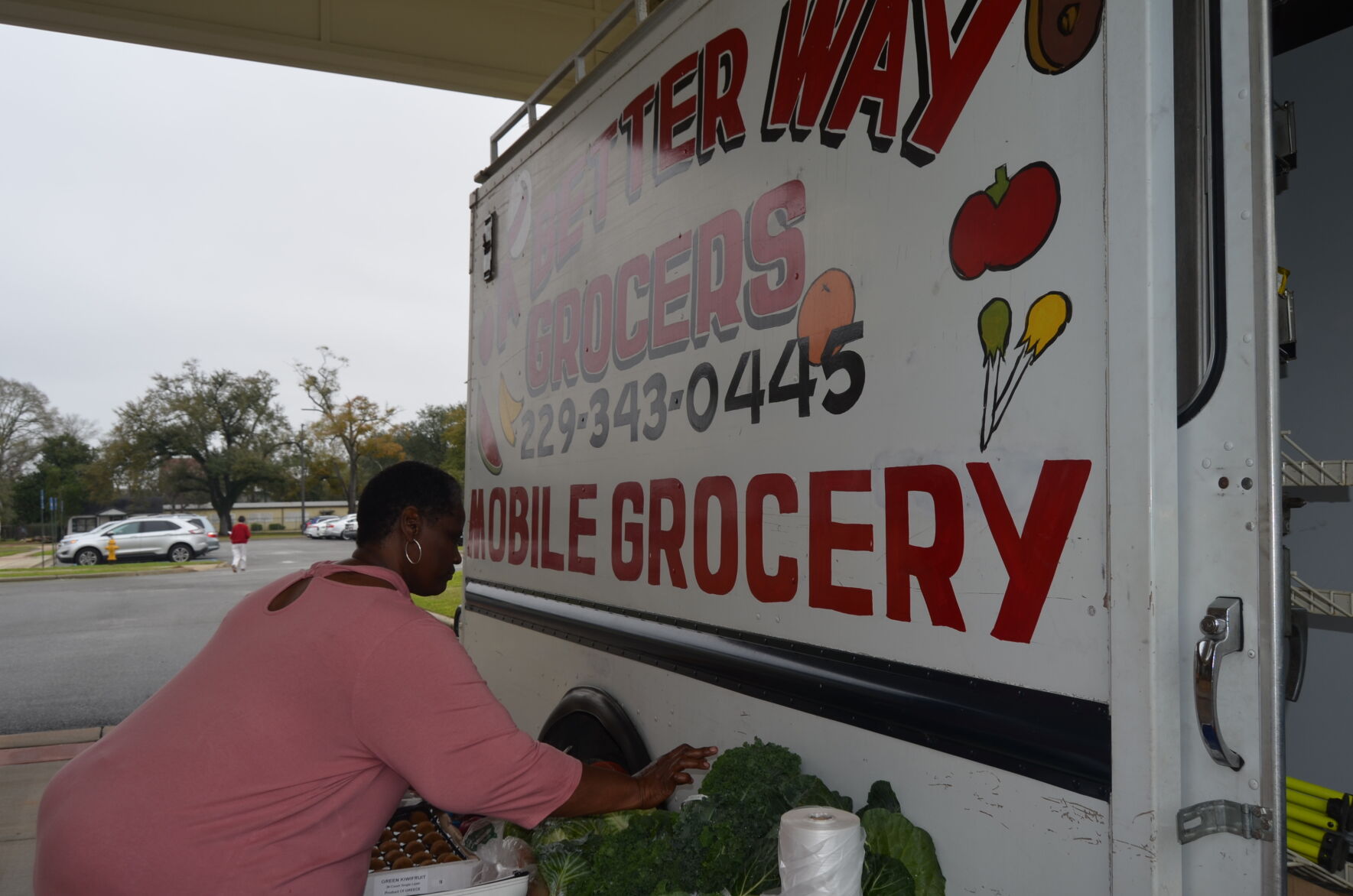
Sherell Byrd, executive director of SOWEGA Rising, highlighted some community efforts being directed at improving access to healthier foods, including GUD Life Flow and Better Way Grocers, a mobile food truck that stocks fresh produce and meat.
Better Way co-fonder Tiffany Terrell said the truck makes trips sometimes of up to 20 miles to reach some neighborhoods in the city.
GUD Life Flow is seeking capital to support a restaurant serving plant-based foods, and its offerings as a pop-up restaurant, whose stops included the downtown Candy Room before the novel coronavirus arrived, was a hit, said co-founder Joshua Nelson. The group also has started a church community garden.
Some one-third of Americans are open to eating and purchasing plant-based meat products, he said.
“We’re showing people there is a way to eat healthy, and it can be affordable,” he said. “This (disease) is a problem. We believe food — and diet — is one of the best ways to solve the problem a lot of people believe there is no solution to.”
Author

Related Articles
Beyond the bushel: Value-added products give southwest Georgia growers a second paycheck
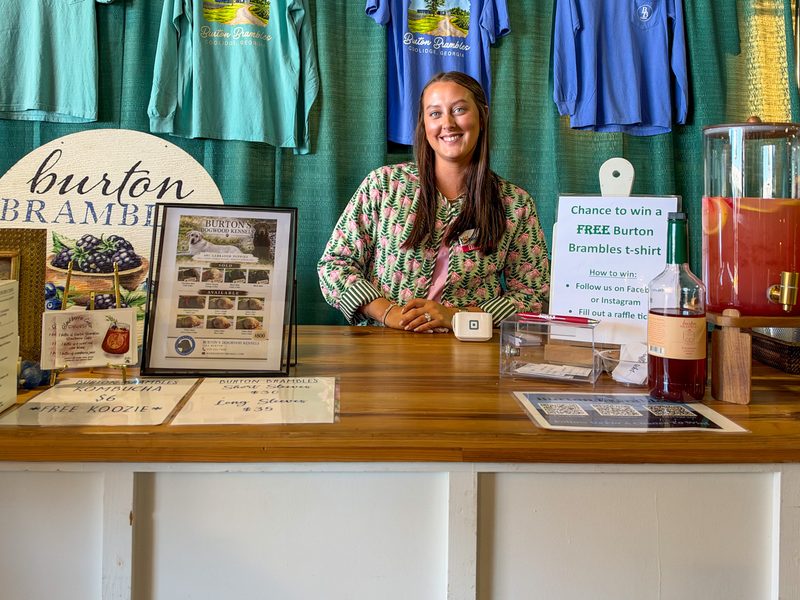
Across the exhibit halls at Spence Field, farmers and small manufacturers showed how they turn raw crops into finished products. They bottle sauces, box gifts, print shirts, and they find new income and new customers along the way.
Small fish make big business for Southern farmers
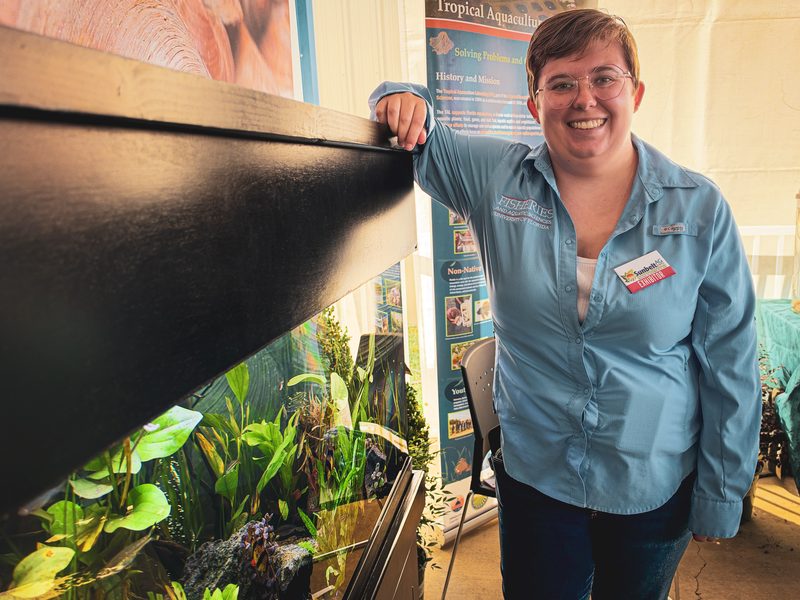
The fish in a University of Florida display at the annual Sunbelt Ag Expo this week were more than technicolor aquarium pets. They are farm products, representing a multimillion-dollar industry that depends on breeding, feeding and keeping some very small livestock alive.
Pelham farmers turn hardship into a regenerative mission
When serious health problems disrupted April Workman’s career, she and her husband, James, began reconsidering how they earned a living, raised their family and cared for their farm.
