
Beyond the holidays, Albany Homeless Coalition urges ongoing support
The Albany-Dougherty Homeless Coalition brought service providers together at the Albany Civic Center on Tuesday to offer food, clothing, health screenings and help accessing veterans benefits, while organizers urged the community to look beyond the holidays at the needs of people without stable housing.
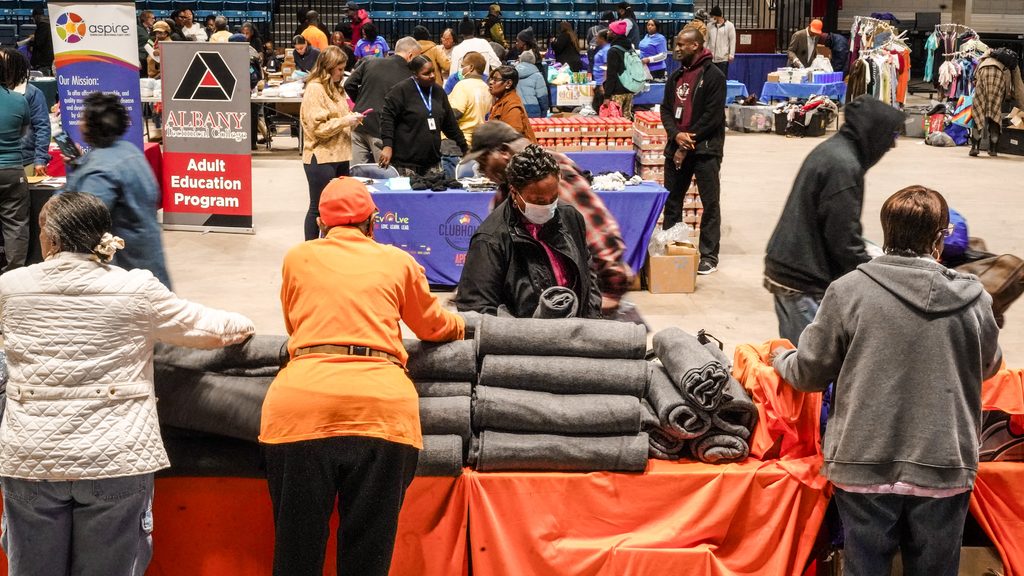
ALBANY — The Albany-Dougherty Homeless Coalition brought service providers together at the Albany Civic Center on Tuesday to offer food, clothing, health screenings and help accessing veterans benefits, while organizers urged the community to look beyond the holidays at the needs of people without stable housing.
David Blackwell, the coalition’s chairman, said organizers expected to serve between 300 and 500 people at the Fall Compassion Event. The gathering is one of two resource events the coalition holds each year.
For Blackwell, part of the work is helping other Albany residents understand struggles they may rarely see.
“So much of our community is removed from this populace,” he said. “Many of us don’t really know the day-to-day struggles that this part of the community has.”
The event, advertised as “Stand Up for Our Homeless Community,” brought together resources for employment, education, housing, health care and other needs. Its offerings included hygiene supplies, haircuts and resource guides, along with assistance for veterans experiencing homelessness.
Pinneice Mosely, the coalition’s co-chair and a community engagement manager with UnitedHealthcare, said organizers had prepared for at least 300 people. But bringing resources into one building does not mean everyone who needs them can easily get there.
Some people living on the east side of Albany must walk to the event, she said. By the time they arrive, vendors may have exhausted their supplies.
“They may not get here till 12 or 1 o’clock,” Mosely said.
Reaching people before the event also takes more than an announcement online. Coalition members visit encampments and places where meals are served, building relationships with people who may have little access to information about available help.
“Boots on the ground,” Mosely said of that outreach.
She said trust matters when working with people living in encampments. So does recognizing that moving people away from one location does not resolve their need for somewhere to stay.
“If you don’t want them there, where are they going?” she said.
Blackwell said he has worked with people experiencing homelessness for nearly 20 years and has served as coalition chairman for 11. His involvement began while chaperoning young people at a camp in the mountains of North Carolina, where a passage from the Book of Isaiah prompted him to consider what more he could do.
“I own my own small business, but trying to help this population has been my passion,” he said.
Between its spring and fall events, the coalition meets monthly with representatives of service agencies to share information about resources and funding. About eight people make up the working group that organizes the two events, Blackwell said.
The coalition also has become a nonprofit, a step Blackwell said would allow it to compete for state and national housing funding.
Much of its work involves helping people navigate a system that can be difficult to understand, particularly when someone is already in crisis.
Blackwell described the frustration of someone seeking a hotel or motel voucher, only to be sent from one provider to another.
“The sense of frustration begins to overwhelm this population, and eventually they just give up,” he said.
The coalition tries to connect people with meals and available shelter. But Blackwell said Albany has fewer than 100 emergency shelter beds, a figure that includes beds designated for people experiencing domestic violence.
Rosalynn Fowler-Fliggins, the associate executive director of Open Arms, said their organization helps young people experiencing homelessness, runaway youths and pregnant or parenting teens through street outreach, shelter and housing programs.
Its services include a maternity group home, transitional living and hotel and motel assistance.
“The goal is to have any youth that comes literally from the street to permanent housing,” Fowler-Fliggins said.
She said the organization needs financial contributions and everyday household supplies to support its residential programs.
Representatives from the Carl Vinson VA Medical Center in Dublin also were among the providers at Tuesday’s event. Blackwell said the VA brought eight programs, with services ranging from surplus supplies to specialized assistance.
Eula Ellis, lead program support assistant for enrollment and eligibility at the VA’s Albany clinic, said she helps veterans enroll in VA health care and connect with a primary care provider.
Enrollment is not automatic, she said.
Ellis said some older veterans returned from service, went to work and raised families without seeking VA care, particularly if they had insurance through their jobs. As they age, the costs of services such as hearing aids or nursing care can become difficult to manage.
“If they come to the VA, I get them enrolled,” Ellis said.
Mental health advocates at the event also emphasized education and connections to care.
Angie Jones, a volunteer with NAMI, said she and her husband, Emerson Jones, became involved because of mental health challenges within their family. Their work includes helping people understand mental health issues and learn about available support.
“We all have mental health,” she said.
A.J. Parker, another longtime volunteer who facilitates support groups and works with the coalition, said the community needs more empathy — and more sustained involvement.
“We need people caring enough to do more besides just during the holidays,” Parker said.
Blackwell said he appreciates the attention and assistance that arrive around Thanksgiving and Christmas. The need, however, continues after the season ends.
“This is a 24/7, 365-day struggle,” he said.
For people trying to find food, shelter and help, he said, “It’s a daily, daily grind.”
People interested in volunteering, donating supplies or learning more about local efforts to help people experiencing homelessness can contact the Albany Dougherty Homeless Coalition at (229) 886-1257.
Organizers said support is needed throughout the year, including help with outreach and donations of clothing, hygiene products and other everyday necessities.
Related Articles
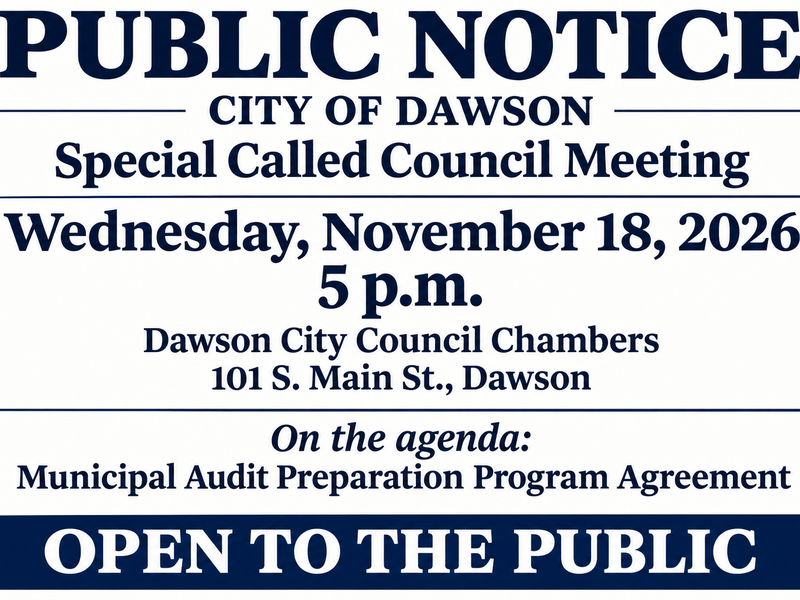
Dawson council calls special meeting to consider audit assistance agreement
The Dawson City Council will hold a special called meeting at 5 p.m. Wednesday, Nov. 18, to consider an agreement for help preparing the city’s financial records for independent audits.

WILL THAULT: After 80 years, it’s still a wonderful life
No. This isn’t my autobiography. It’s a tribute to an 80-year-old American film classic … with a backstory twist.
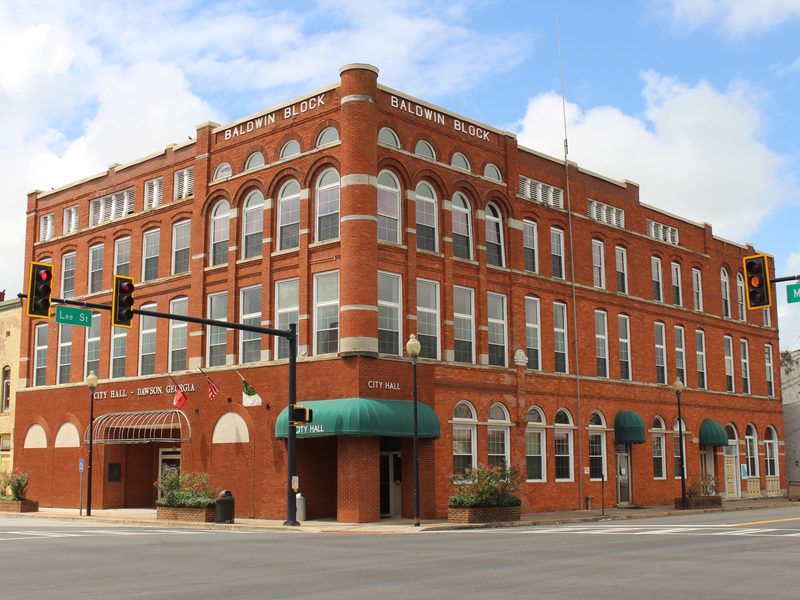
Dawson faces wider budget deficit as council suspends fire fee
Dawson City Council voted unanimously Nov. 12 to suspend implementation of an $8 monthly fire-service fee, putting the charge on hold while the city evaluates the implications of a Georgia Supreme Court ruling.
