
Albany Humane Society temporarily closed to intakes due to parvovirus
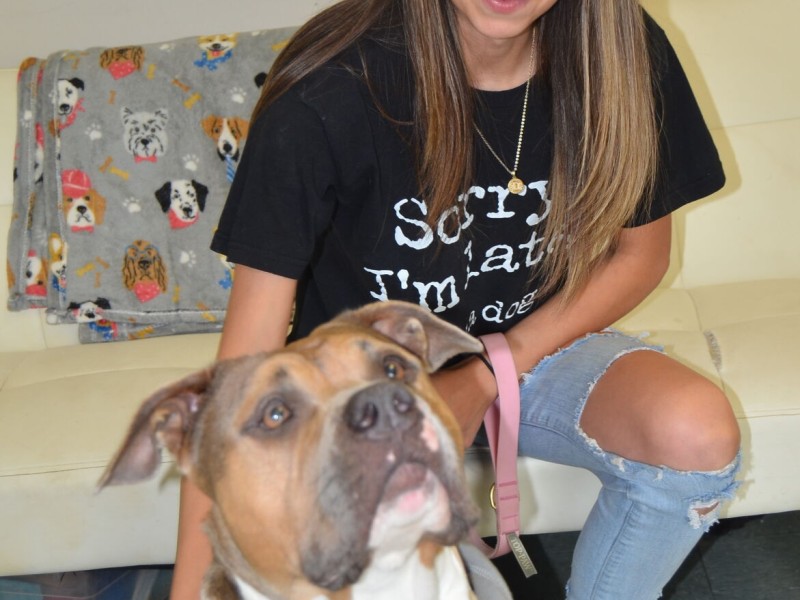
Staff Photo: Alan Mauldin
Staff Photo: Alan Mauldin
By Alan Mauldin
[email protected]
ALBANY – When two dogs were brought into the Albany Humane Society on Monday, it seemed like part of an ordinary day at the facility. Both strays, picked up in rural Dougherty County, one about 4 months and the other about 2 years old, were found roaming at different locations.
What was not known was that they were ticking time bombs. By later in the day, it was evident that both were sick. After they were taken to a veterinarian, it was confirmed they were infected with the canine parvovirus.
That unfortunate coincidence led this week to the closing of the shelter to new intakes and will require cleaning the facility and monitoring the dogs in its care. The Humane Society said that the adoption area of the facility was not impacted.
Not harmful to cats or humans, canine parvovirus is highly infectious and can be deadly to dogs. Because of that fact, the shelter was closed for new intakes for two weeks.
Since the virus has an incubation period of about two weeks, it was just bad luck that both came into the facility at the same time and were both infected, Sam Threadgill, development director for the organization, said.
“By 5 o’clock that night, we realized they were sick,” she said. “We did end up euthanizing those two animals.
“It’s not an outbreak; it’s two dogs, two dogs brought in by the county. Fortunately, we were able to contain it quickly. If everything goes well, we’ll open up for intake on June 17.”
The Humane Society in Albany contracts with the county to accept dogs brought in as strays or because they pose a threat to the public, such as in biting cases.
Currently, the shelter is in a dispute with the city of Albany over their contract and has been accepting a maximum of 60 dogs per month from the city.
The Albany Police Department sent out a news release this week announcing the situation and referring additional questions to the Humane Society.
Because many residents in the area do not have dogs vaccinated against parvo and the high number of dogs the shelter takes in, the Humane Society is vulnerable to having it brought in when dogs arrive. Infected dogs often exhibit no detectable symptoms, Threadgill said, with the first sign usually being lethargy before they begin to experience diarrhea and vomiting.
“People really don’t have anywhere else to go with an animal than us,” she said. “Unfortunately, we’re the only option, so we have to take them in. When you have as many animals coming in as we have, it’s unavoidable. We do everything we can to control it. We won’t bring an animal in if it’s vomiting in the parking lot.”
Because of that large volume of dogs coming in and available space, the shelter is unable to quarantine all of the dogs coming in before they’re placed in a setting with other dogs, Threadgill said.
“With the amount of animals we get, we really can’t do that,” she said. “There’s just no way to quarantine every animal that comes in. We wouldn’t be able to take as many animals.”
Threadgill encouraged dog owners to have their dogs vaccinated for the parvovirus as the best way to help prevent its spread. The disease can remain dormant in the soil for years in a location where an infected dog has defecated and can subsequently infect animals that have not been vaccinated.
Author

Related Articles

‘Flywheel’ comes home as Kendrick brothers bring Brazilian remake to Albany
Twenty-three years after a $20,000 movie made with church volunteers launched their filmmaking careers, Alex and Stephen Kendrick returned Thursday to the Albany theater where “Flywheel” first reached an audience — this time with a Brazilian cast telling the story.
Heated exchanges, lengthy delays precede Lee school board’s 17.96-mill vote
The Lee County Board of Education adopted a 17.96-mill operating tax rate Thursday after a crowded public hearing and a lengthy wait for a vote that left frustrated residents at the meeting until close to 9:30 p.m.
Turnout steady during first week of early voting in Dougherty County
Early voting started statewide on Tuesday, giving voters three weeks to cast ballots ahead of the Nov. 3 election.
