
Albany Technical College rolls out split semesters, e-commerce, free books
By Alan Mauldin
[email protected]
ALBANY — Starting next month, Albany Technical College is offering a new way to attend school with a split semester that officials say they hope will be a convenience for students and a way to launch them into careers more quickly.
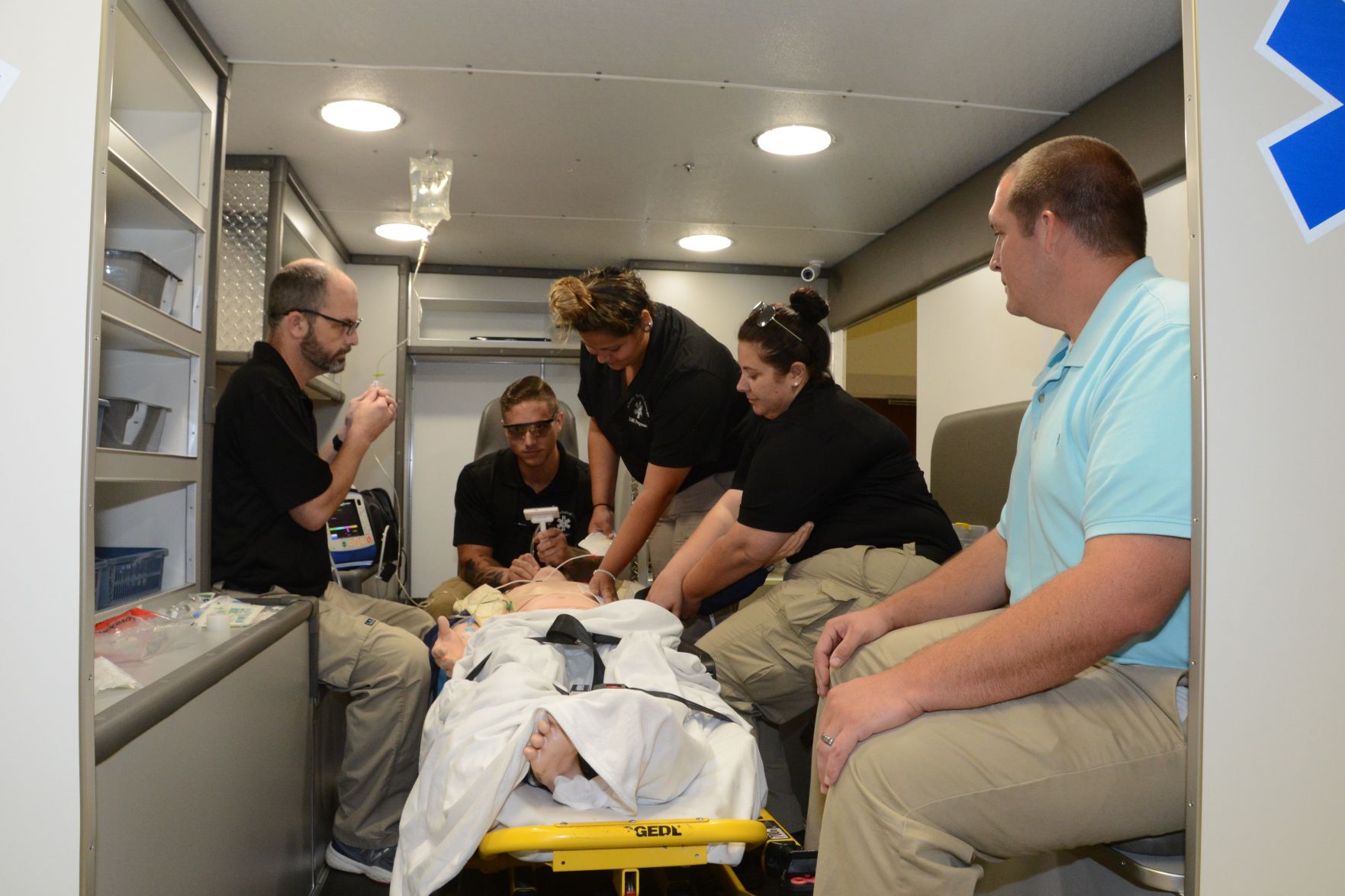
Albany Tech, where classes start Aug. 19 with an expected 3,500 students, also has new course offerings beginning with the fall semester, including e-commerce and a combined fire and EMS degree.
The “success terms,” as officials are calling them, will divide the traditional 15-week semester into two seven-week terms. Instead of taking three courses, as is typical in the traditional semester system, students can take two courses each of the seven weeks.
“We visited a college in South Carolina,” Emmett Griswold, Albany Tech’s vice president for academic affairs, said. “They have been doing this particular model since 2014, and they have found much success. We were the first in the state of Georgia.”
The split semesters are expected to be particularly attractive to nontraditional students and older students who are juggling a busy schedule with work and family while attending college. It also gives students six points during the year to enter college instead of three, common with the traditional semester schedule. About 60 to 70 percent of classes offered by Albany Tech are available through the program.
“We will be graduating students every seven weeks,” college President Anthony Parker said. “If you have to miss a term, you’ve only missed two courses in seven weeks, so it’s a lot easier to get back on track.”
Graduating students more often means they are moving into the work force at a faster pace, Parker said.
“If you need a new automotive technician, you can’t wait until June,” he said. “We want to be reflective of what the employers need. We have to be ahead of the curve.
“We think particularly the success terms will bring more students to us. The 20-somethings to 40-somethings getting into education is critical.”
Not only do graduates and employers benefit, so does the community as a whole, Parker said. When a person starts earning a paycheck or retrains for a job with better pay, he or she participates in the economy, purchasing goods and services.
“Ninety percent of my students get jobs with health benefits,” Parker said. “It goes beyond that individual, it goes to that family. It’s to the community’s advantage to see (someone) productively employed.”
And the majority of students – 77% of graduates over the last 10 years – now work within 30 miles of Albany.
The e-commerce program will train students in online marketing and sales. The college won’t forget the need for welders and diesel engine technicians, but it is trying to fill a niche in a part of the economy that is booming.
“Even someone with a small boutique in Albany has the opportunity to have customers in San Diego, California,” Griswold said. “We don’t want to abandon the brick-and-mortar. This just gives entrepreneurs the opportunity to expand.”
Albany Tech also is big on combining work with academics via apprenticeships.
If 25 to 50 people participate in the program this year, Parker said he would consider that a success, although he would like it to be more. In the early days of dual enrollment between high school and college, few took advantage. But now some 700 students take that route, a development Parker hopes to see with apprenticeships.
A number of students beginning in the fall semester also will get a break on book costs. Many of the books needed in courses will be available at no charge as e-books or in a format that students can print.
That is money that students on financial assistance can spend on living expenses or, for older students, other needs their family has, Parker said.
Albany Tech graduates between 1,800 to 2,200 students a year, but still finds that requests from employers for workers outstrips that rate by 300 to 600, Parker said.
“We’ve got to reach more of the people in this community who were left behind,” he said. “Whether they didn’t get on the train or they weren’t (invited), doesn’t matter.”
Author

Related Articles
From Ledo to Coston, Lee County’s summer road projects are underway
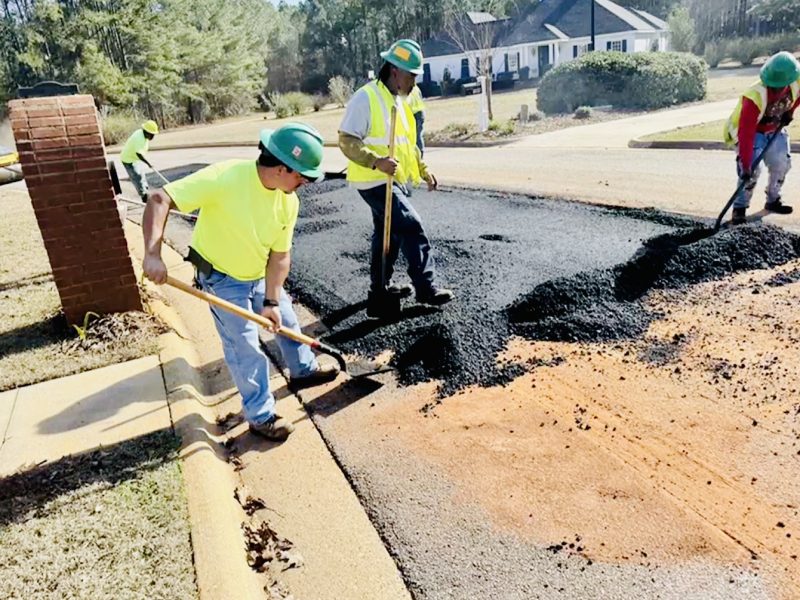
Updates provided during recent meetings of the Lee County Board of Commissioners show projects are underway or scheduled to begin on several county roads, while additional transportation improvements funded through the Local Maintenance and Improvement Grant (LMIG) program and Transportation Special Purpose Local Option Sales Tax (T-SPLOST) are expected to begin shortly after the July Fourth holiday.

PSC candidate Peter Hubbard makes case for election to full term
The reason why voters should pick me is I’m a rare breed in that I read everything that comes across my desk. I’m asking hard questions at the meetings. I want to get to the bottom of are data centers paying their fair share, are residential customers getting their fair share.
Dougherty Schools prepare for bell-to-bell student cell phone ban
As Georgia prepares to expand its statewide ban on personal electronic devices in public schools, Dougherty County School System leaders say they are working to balance compliance with the new law while giving individual schools flexibility in how they implement the policy.
