
AUGUST GARDENER: Some insects are beneficial to gardens
Jeris Pitts
Walking in my flower garden a few weeks ago, I found caterpillars on a tomato plant.
The beautiful green tomato hornworm has a horn on his dorsal end. This horn is usually black in color, but it is not a stinger as many people think. During this larva stage, the caterpillar is an eating machine that will defoliate tomato plants in a short time. At maturity, the caterpillar will become the five-spotted hawkmoth.
Two of the caterpillars I found had become the home of the braconid wasp, which is one of many beneficial insects in the garden. A factsheet from the University of Florida Extension states, “The female wasp uses her ovipositor to deposit eggs just under the skin of a hornworm. The larvae feed inside the caterpillar and when they are fully grown, they chew their way out of the host’s body to pupate. Once outside, they spin their own tiny oval cocoons that look like large grains of rice on the back or sides of the hornworm. Tiny adult wasps eventually emerge from the cocoons and seek out new hornworm hosts. Hornworms with white cocoons attached to their bodies should be preserved on the plant or relocated to nearby weeds to further this process beneficial to gardeners.”
The braconid wasp will help control the tomato worms and other undesired insects in the garden. If all the tomato hornworms are removed from the tomato plant, there will be fewer hosts for our parasitoid helper.
OrganicGardening.com lists the following as the top 10 beneficial insects. (Take a look at this website to see a picture of each of these helpers and lists of plants to add to your garden to attract them.):
Related Articles
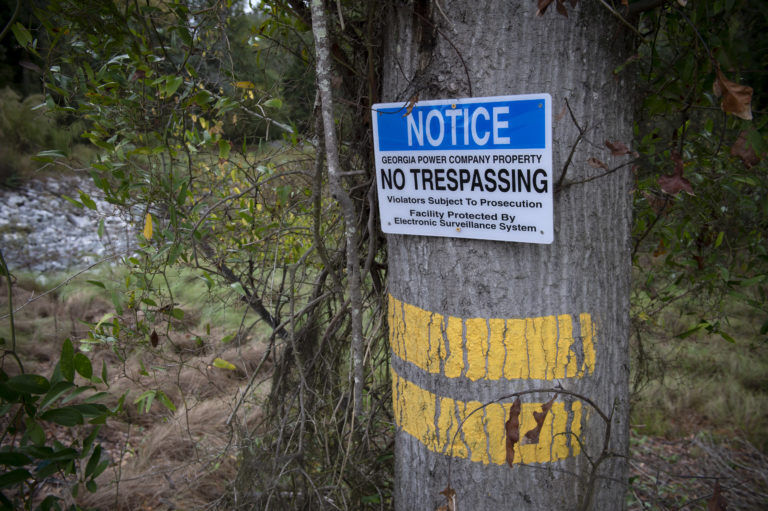
Mitchell County official refutes charges made by group opposing rezoning of land to be purchased by energy giant
“At no time has NextEra mentioned a data center,” James Eubanks said of negotiations with the world’s largest electric utility holding company.

Mitchell County group fights NextEra Energy project
On June 29, the Mitchell County Board of Commissioners voted to approve a rezoning request that would change 300 acres in the northern part of the county from Agriculture to Industrial.
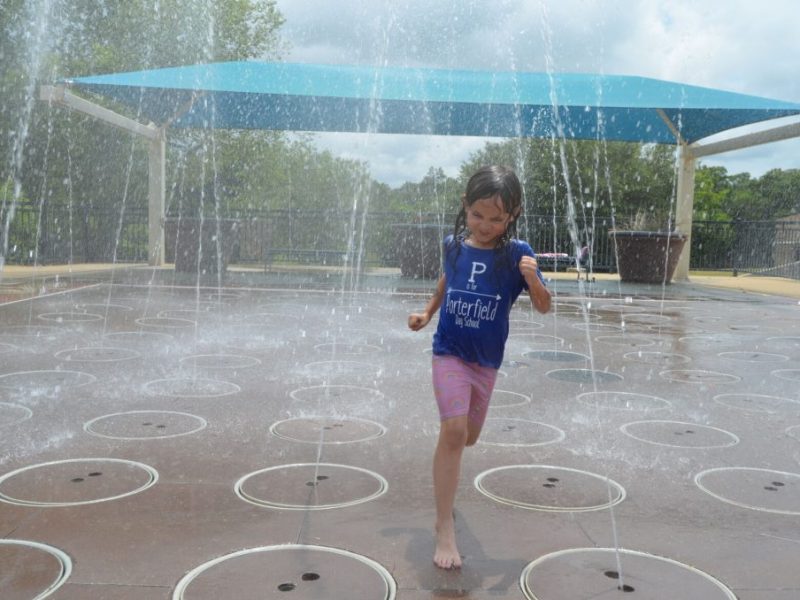
Planning for downtown Albany Riverfront Park splash pad replacement ongoing
“Everybody loves water. I think it will be an excellent tool, especially recreation for the children. Keeping kids at the park during the summer will help keep them out of trouble.”
