
CAR REVIEW: The Kona Electric is just as compelling as its gas-powered sibling
David Dewhurst Photography
By JOE PARKER
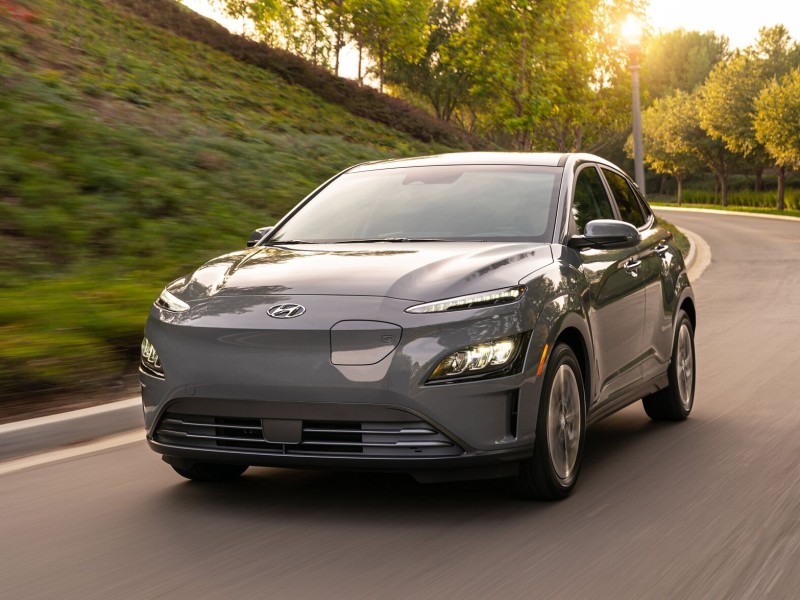
The Hyundai Kona is a substantial player in the subcompact SUV market, delivering attractive styling, generous amenities, an agreeable price and a driving experience that isn’t the typical doldrums of the segment. Fortunately, those strong points carry over when you swap out its gas-powered engine for a battery pack.
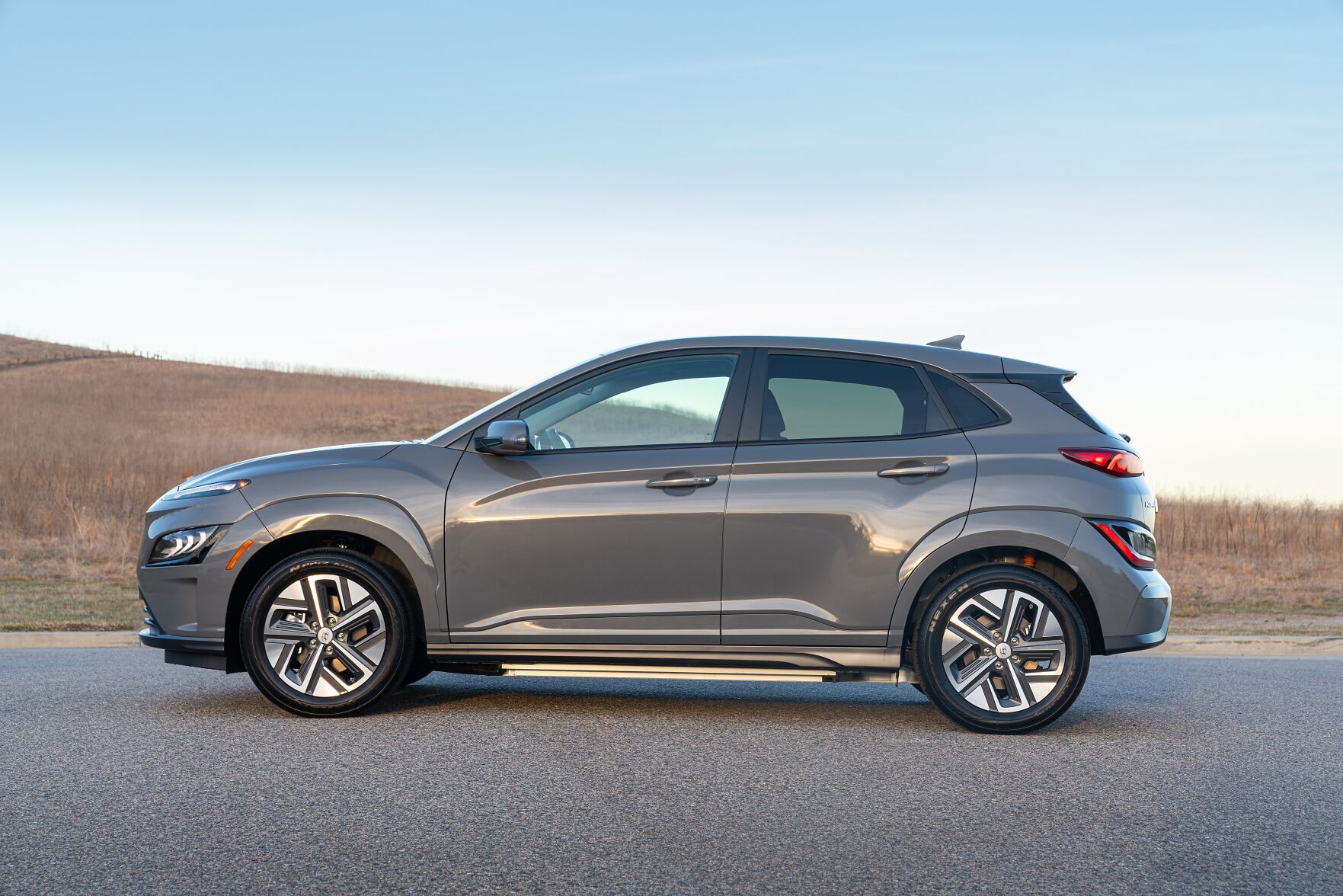
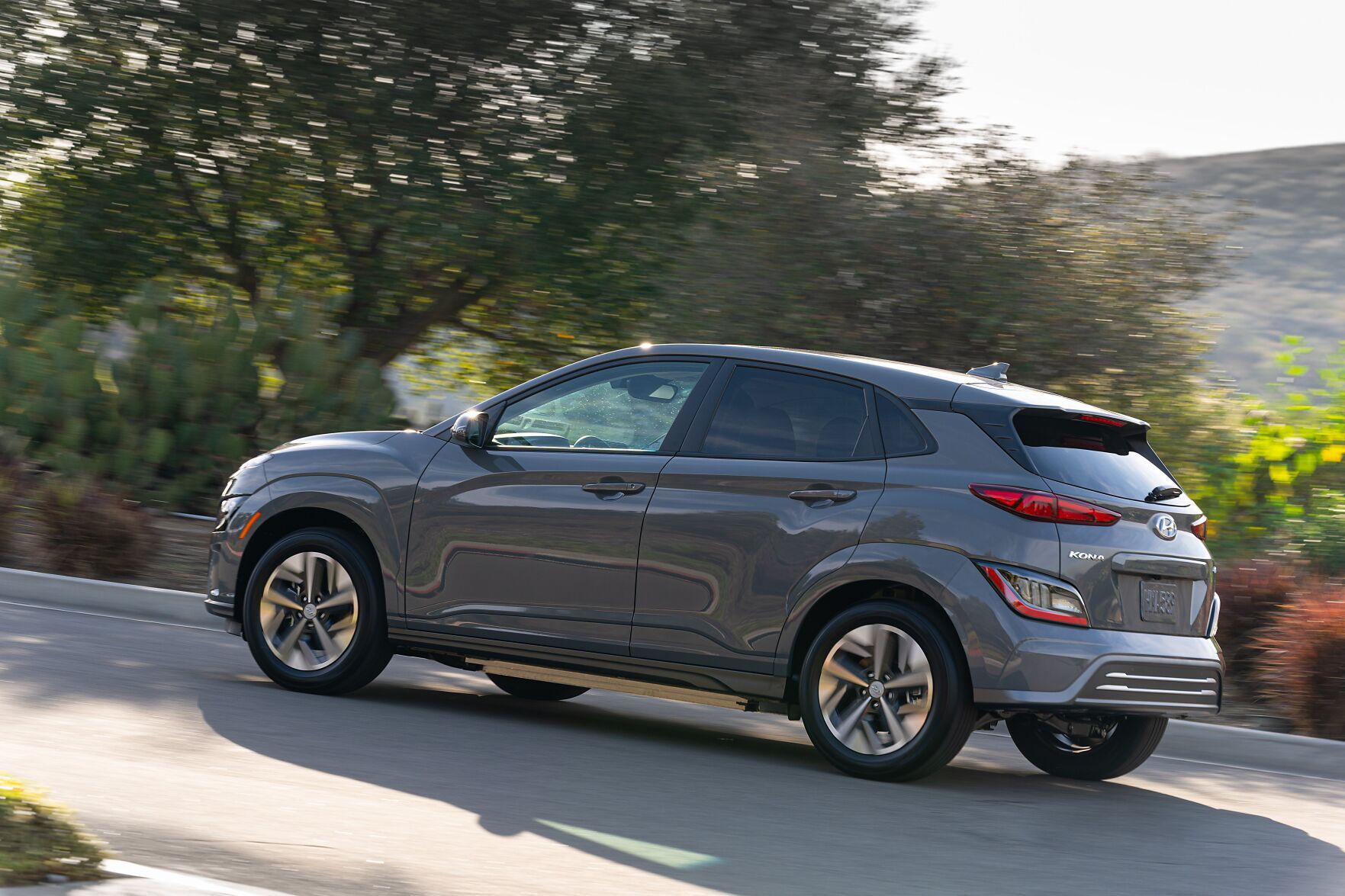
The Kona Electric has been slightly updated for 2022 with a new nose that replaces the “dimpled” front fascia — which was designed to align with the grille of the gas-powered model — with a sleeker appearance and horizontal character line reminiscent of its fellow Hyundai EV, the Ioniq 5. The rear fascia has also been slightly tweaked alongside a new taillamp design.
Though minor, the updates build on the Kona’s eye-catching but inoffensive design.
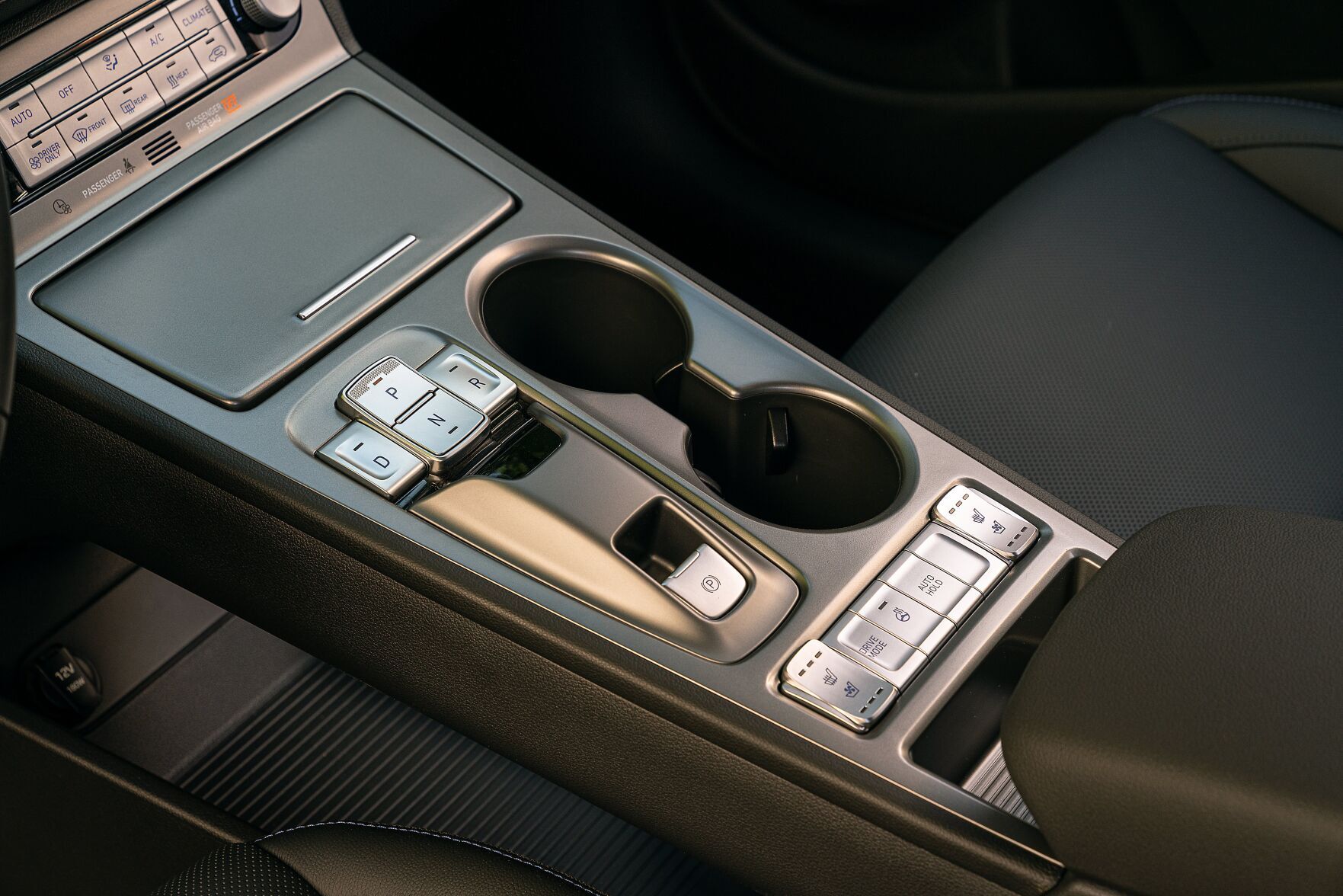
The cabin has also been reworked with new center-stack and center-cluster displays, both at a sizeable 10.25 inches. Wireless charging has also been incorporated into the lowered center console.
Trim levels have also been, well, trimmed to from three to two options. Base SEL and the upgraded Limited are still offered with updated features, but the previous top trim, Ultimate, has been slashed.
The Kona EV is still powered by a 150-kW motor offering a notable 201-hp and 291 lb.-ft. of torque to the front wheels (AWD isn’t an option). With plenty of torque on tap and the near-instantaneous acceleration of electric power, the Kona Electric is unsurprisingly sprightly under acceleration. After an initial burst of power, the Kona feels more like a standard subcompact SUV, not necessarily quick, but with adequate hustle for everyday needs around town or on the highway.
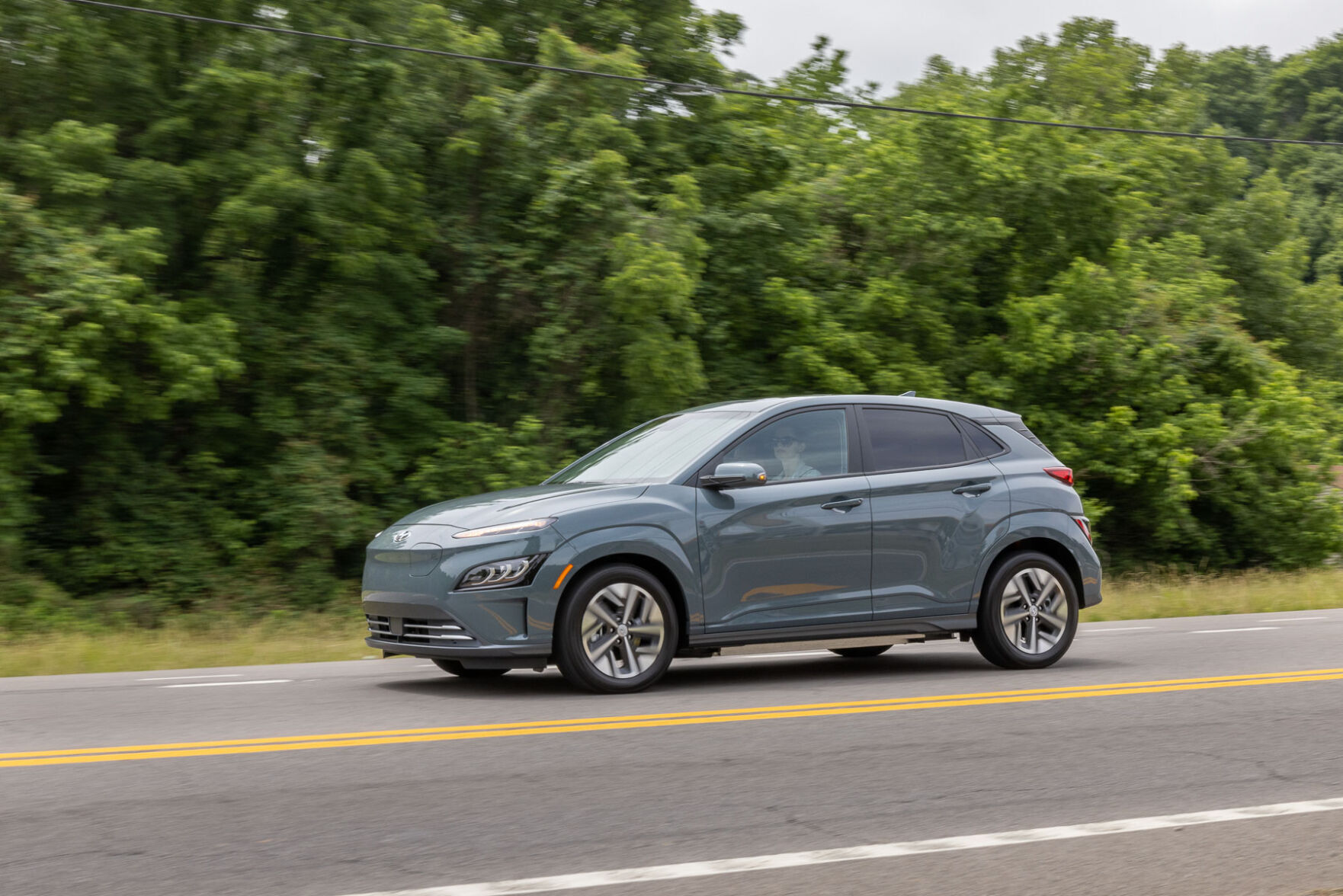
Though the Kona Electric isn’t fundamentally sporty, it does provide the agreeable driving characteristics of its gas-powered equivalent. It’s small stature and low center of gravity bolster respectable agility through corners, and the taut but not overly stiff suspension limits body roll while providing a mostly smooth ride on city streets. Efficient brakes with a solid-feeling pedal and quick, accurate steering boost driver confidence when attacking twisty tarmac.
Understeer does rear its head under hard acceleration on corner exit. That can’t be said for most subcompact SUVs, but only because they lack the Kona’s ample torque and quick acceleration to actual create understeer.
The Kona EV’s range of 258 miles puts it in the ballpark of its competitors, including the Chevy Bolt EUV (247 miles), Kia Niro EV (239 miles), VW ID.4 (280 miles) and the base Mustang Mach-E (230 miles).
With the 7.2-kW onboard charger, the Kona Electric will juice its battery from 10 percent charge to full in a little over nine hours, but standard DC Fast Charging capability greatly speeds the process with the right link. Depending on charge input, the Hyundai will refresh its pack from 10 to 80 percent in about an hour.
For the daily commute, drivers can adjust regenerative braking with paddle shifters and three settings, from zero to aggressive, the latter allowing for one-pedal driving. The most stringent regenerative braking setting is particularly aggressive and requires a learning curve to not be run over by trailing traffic, but it does well to enhance range. On one 35-mile jaunt on city streets in the strongest regen setting, the onboard trip computer noted I had lost just 20 miles of range.
The Kona Electric is less practical than several of its competitors due to its small stature. The tight rear seat will accommodate adults, as I learned while being looped in as the designated driver one night, but those of a taller stature will be cramped. Cargo space is limited to 19.2-cubic feet behind the second row, which bests the Bolt EUV and Niro EV, but both of those models provide more storage with the rear seats folded away.
What the Hyundai lacks in pragmaticism it makes up for with a helping of standard features and upscale appointments.
SEL models come standard with an 8-inch touchscreen, a 10.25-inch digital instrument cluster, dual USB outlets, automatic climate control a six-way adjustable driver’s seat and several driver’s aids like blind-spot, rear cross-traffic and forward collision avoidance assists.
The Convenience Package ($3,500) adds a power sunroof, heated front seats, wireless charging, LED interior lighting and other features.
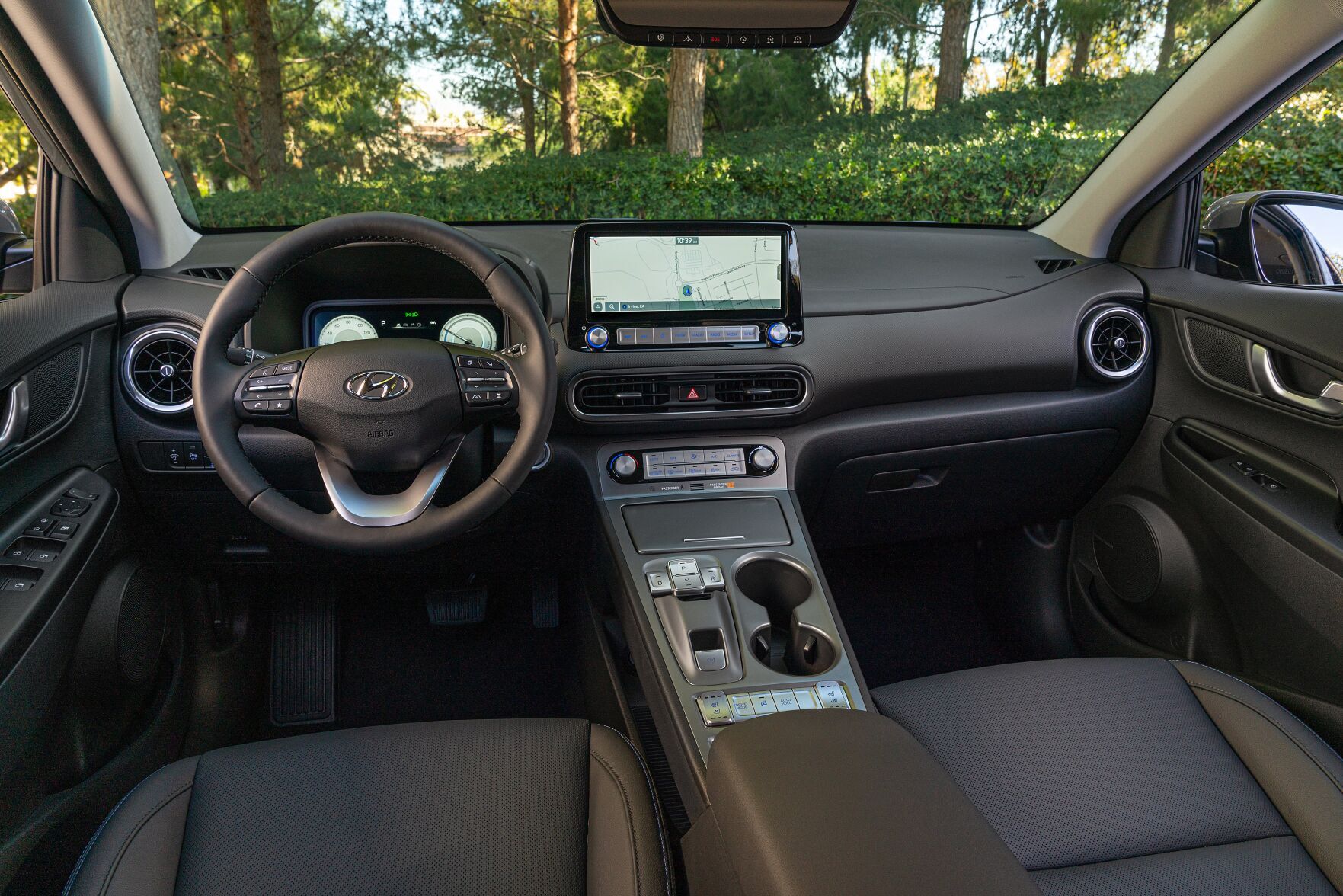
Limited models get those amenities and many more, including rain-sensing windshield wipers, ventilated front seats, a 10.25-inch touchscreen, Harmon Kardon audio, leather-trimmed seating, a heated steering wheel and smart cruise control. Curiously though, wireless Apple CarPlay and Android Auto is only available in SEL trim. Limited buyers will still need to connect via cable.
Though generously equipped, the Limited’s near $44,000 price tag puts it in the same bracket as larger offerings like the Ioniq 5 and its sister, the Kia EV6, which offer more range. However, the Kona Electric is still eligible for the federal $7,500 tax credit, making the Limited’s price point far more palatable.
Though relatively simplistic in its styling, the cabin is laid out intuitively with plenty of real buttons and knobs that feel sturdy and are easier to use than the haptic feedback mechanisms used in other models. All controls are easily accessible on the center stack with the absence of a traditional gear lever, drivers just push a button to select a gear. Hyundai’s infotainment system, which can be customized alongside the digital gauge cluster, is easy to use and mostly quick to react.
Passengers are well sheltered from outside noise, but the whir from the electric motor is intrusive to the cabin under acceleration.
The Kona is a strong player in the subcompact SUV market with better-than-average road manners, engaging exterior styling, a long list of standard features and an upmarket feel, even if it’s not the most spacious in the segment. Those characteristics all ring true for the Kona Electric.
Those looking to break into the emerging electric SUV market should certainly consider the Hyundai.
Pros and cons
Pros: Notable range, plenty of standard features, DC fast charging capability
Cons: Tight rear seat, electric motor whine is prevalent, top-spec crests $43K
Overall: The Hyundai Kona is a good subcompact SUV, and the EV version is just as solid in its niche
Starting prices:
SEL: $35,295
Limited: $43,795
Range: 258 miles
Charging times:
Level II standard (7.2 kW): 9.25 hours (10 to 100%)
Level II (50kW): 64 minutes (10 to 80%)
Level III (100kW): 47 minutes (10 to 80%)
Related Articles

United Way of Southwest Georgia halts funding for regional restructuring
The United Way of Southwest Georgia plans to withhold typical funding for a whole year during a “restructuring” period.

Federal agency to investigate Monday paragliding fatality
The death of a 63-year-old man who was killed in a paragliding accident on Monday is under investigation by the National Transportation Board, according to Dougherty County Coroner Michael Fowler.

Audit of police surveillance cameras results in arrests of five former APD officers
“The bottom line is when we find people who have misused resources that they have, we’re going to hold them accountable. These resources help fight crime, but we will not tolerate when they are misused.”
