
CARLTON FLETCHER: Ferguson has become a sad microcosm of America

Carlton Fletcher
Stop, hey, what’s that sound? Everybody look what’s going down.
— Buffalo Springfield
You want a microcosm of 21st-century America? Look no farther than Ferguson, Missouri.
Unless you live in a total vacuum, you know the story. An unarmed black man was shot and killed by a white police officer in this small Midwest community, touching off race riots there and in other cities across the country. The officer said his life was threatened by the man he shot, and a nine-white, three-black grand jury agreed after hearing the testimony of more than 60 witnesses. That body’s decision touched off the ugly scene that proves once again how little the breach that divides the races in this country has been repaired.
The situation in Ferguson is a complicated one, involving issues that the largest majority of us know little or nothing about. But that doesn’t stop those of us half a continent away from offering our knee-jerk take on what happened between Michael Brown and Ferguson Police Officer Darren Wilson.
Blacks, many of them old enough to remember a time when they were persecuted openly simply because of their skin color, easily flash back to that time and see the killing of Brown as evidence that, despite the Civil Rights Act, despite Affirmative Action, despite laws that specifically prohibit discrimination, and despite the election of a man of color to the presidency, whites’ views of them are basically the same as they were during the Jim Crow era.
And whites, many for the first time feeling the financial sting of an economic recession that reached well beyond just the lower and middle classes to the fringes even of the upper class, have channeled their growing frustration against blacks and other minorities, using thinly veiled code terms like “entitlement population” and “welfare generation” to express that frustration.
As so often is the case, no one is “right” in such a scenario as the one that unfolded in Ferguson. Whites who dismiss Brown as little more than a “thug,” worthy of the extreme force that ended his life, are perfectly fine with the judge-jury-executioner role of the police officer who shot and killed him. That Christian ethic that decrees the value of even the least of us seems to have been lost in translation as we rally around our second amendment right to own and freely use guns.
That right, many proclaim, allows us to end someone else’s life if we feel he or she is a threat. In the case of Brown, these defenders of perverted justice tell us, loudly, he deserved to die because he stole cigars and pushed a store clerk.
Black “protesters,” meanwhile, many of them so far removed from Ferguson they couldn’t find it using Google Maps, turned the streets of the city into a battleground, shooting at firefighters called to put out mob-set blazes and throwing rocks and other projectiles at police officers, allowed their frustration at what they saw as the senseless killing of one of their own — no matter his criminal past — boil over and turn into violence.
Many sociologists have tried to sell the ugliness as “justifiable black anger,” not taking into account the protesters who had no idea who Michael Brown was and could not have cared less, using the tragedy as an opportunity to unleash havoc, loot and rampage pretty much unimpeded.
To justify the acts of such antisocial opportunists as symptoms of the racial inequity suffered by their ancestors is a slap in the face of African-Americans who were stunned and even angered by the events that led to Brown’s death but channeled that anger into a response that did not endanger the lives of others or destroy the property of innocent business owners whose lone sin was location in a targeted area.
What the extremists of both races and even the more moderate members of each who are using violence and anger to cope with their frustration over the events in Ferguson, Missouri, are doing in the aftermath of those events is projecting their views in the worst possible light. Sadly, the actions and reactions of each is going a long way toward justifying each group’s worst opinion of the other.
Related Articles
Federal agency to investigate Monday paragliding fatality
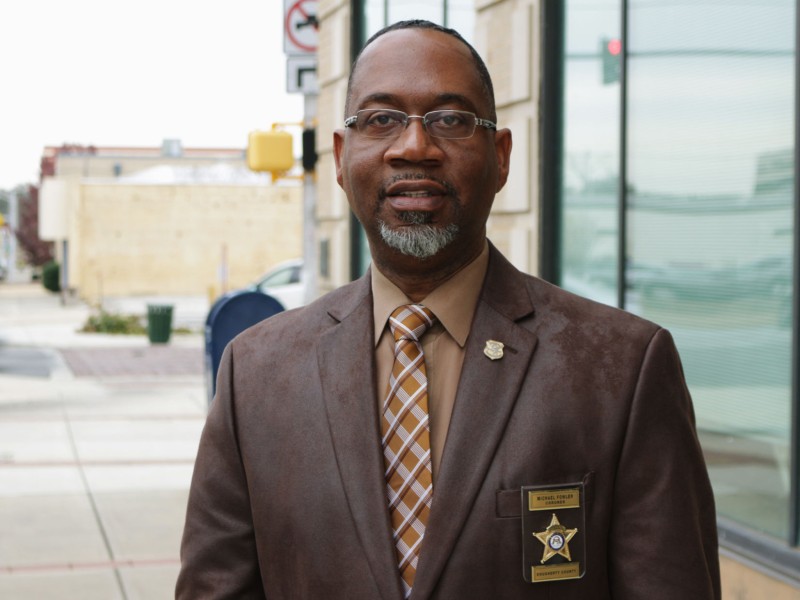
The death of a 63-year-old man who was killed in a paragliding accident on Monday is under investigation by the National Transportation Board, according to Dougherty County Coroner Michael Fowler.
Audit of police surveillance cameras results in arrests of five former APD officers
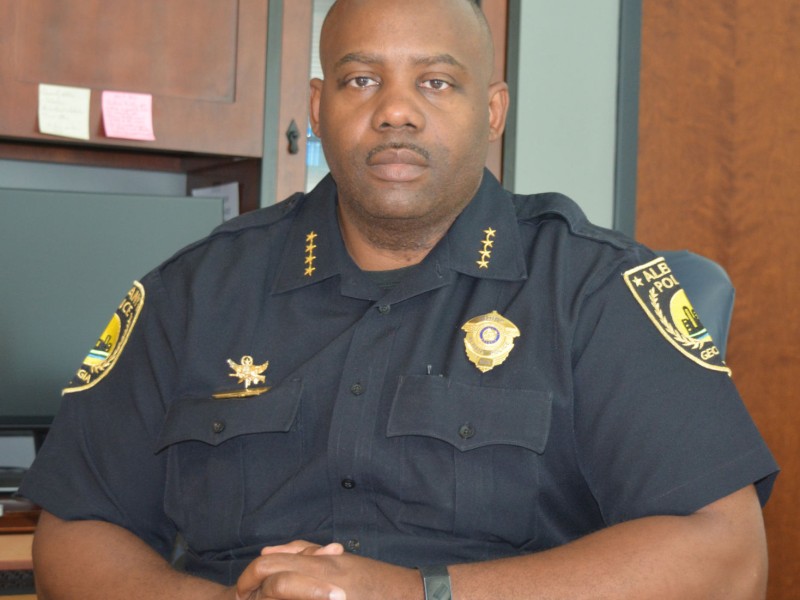
“The bottom line is when we find people who have misused resources that they have, we’re going to hold them accountable. These resources help fight crime, but we will not tolerate when they are misused.”
Albany Herald – July 7, 2026
Lee County stands alones without… DOT say delay in Oglethorpe Bridge… ASU’s Leah Cowen Selected for…
