
CARLTON FLETCHER: Tom Berry has been right man for Albany

Carlton Fletcher
While you talk about the future It’s becoming the past. Time waits for no one, and we’re running out of time.
— Friends of Distinction
Let me preface this by saying that, even though I think he is one of the most genuine, honest and hard-working individuals I have ever met, my personal feelings about Tom Berry have nothing to do with the following statement. Even so, I think the city of Albany is very fortunate that Berry ended up here.
There are any number of reasons, but No. 1 with a bullet is that because Berry is serving as Albany’s city manager on an interim basis, he is not afraid to push forward issues that some of his predecessors have shied away from for political reasons. That is not meant to tarnish the legacies of those who came before him, but it’s a lot easier to vehemently champion a politically unpopular bit of business when your employment future isn’t dictated by the whim of seven individuals whose political futures are.
Under Berry’s leadership, the Albany City Commission has:
— Fully integrated the soon-to-be Albany Utility Board (a title replacing Water, Gas & Light Commission) into the city’s hierarchy, including a budget that surpassed the city’s at just north of $130 million;
— Begun a citywide restructuring of the organization, a shuffling that should eliminate a number of unnecessary positions and allow promising young employees to begin their move up the chain of command while saving millions of dollars;
— Approved a process that will allow Berry (and his successors) to offer incentive packages to long-in-the-tooth employees whose tenures or positions are no longer viable in an organization that is stressing efficiency;
— Given first approval (of two needed) to a charter change that will allow the utilities authority to offer its services outside the city and county limits, a move that paves the way for significant revenue increases;
— Reached a potentially lucrative agreement with the South Georgia Regional Information Technology Authority that is projected to bring $10 million in additional revenue into city coffers over the next quarter-century in exchange for its employees’ expertise;
— Signed off on the first grant from its so-called Deal-Closing Fund, some $17.2 million in utility credits set aside to incentivize industry growth in the community. The grant is part of a plan by Thrush Aircraft to bring 100 new jobs to the community;
— Changed the city’s finances to an all-inclusive corporate structure that ultimately calls for broader fiscal responsibility within each city department;
— Paved the way for a reduction (through attrition, reassignment and a few job eliminations) in force of almost 60 employees from a bloated staff, with more cuts coming.
The commission, which initially had to hold its nose and swallow hard to keep Berry on as city manager after he famously stepped down from his position as interim WG&L general manager with choice words for city leaders, has done its part in moving this process forward by approving measures that might impact some negatively at the ballot box. But, unbound by political correctness, the interim city manager has rallied the seven commissioners by reminding them that they can make changes that hurt a little now or prepare to make wholesale changes that will hurt a lot in the future.
Only one word need be said: “2018.” That’s when the Municipal Electric Authority of Georgia credits mentioned above run out.
Certainly neither I, nor anyone who even remotely follows the goings-on on the fifth floor of the Government Center, will try and make Berry out to be the all-knowing mastermind who’s affected these changes through his own devices and iron will. Many of the accomplishments listed above were being considered or had been recommended before Berry even came to Albany.
But, bottom line, before an organization can bring about meaningful change, it must have someone in charge who can see beyond the end of his tenure or even the end of one fiscal year or the next. And he must be able to sell proposed changes to a board whose members have in the backs of their minds their next re-election campaign.
Berry’s been that man for Albany. And when he does inevitably leave, the man or woman who takes his place will owe a huge debt of gratitude.
Related Articles
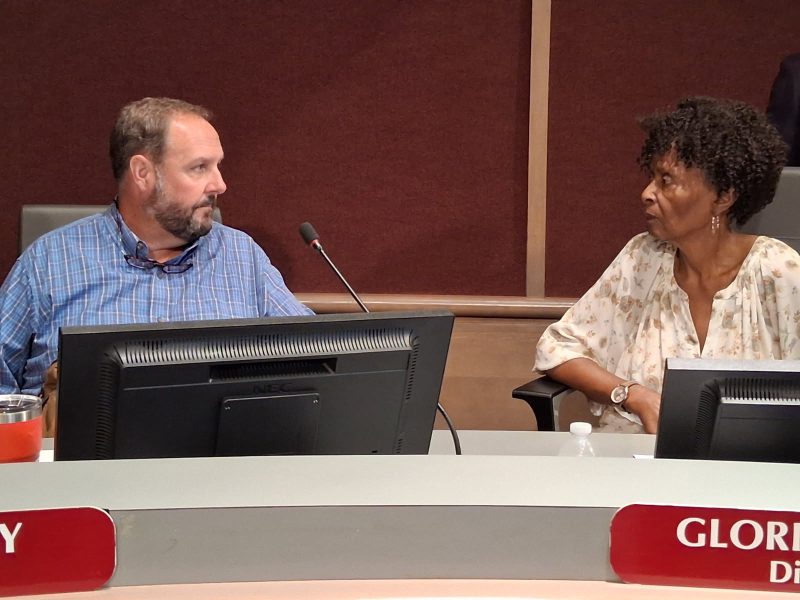
Dougherty Commission considers $104 million budget for 2026-2027 budget year
“The other side of the coin is you could have higher revenues than projected. We’re very conservative in budgeting revenues. That also reduces the need to use fund balance”
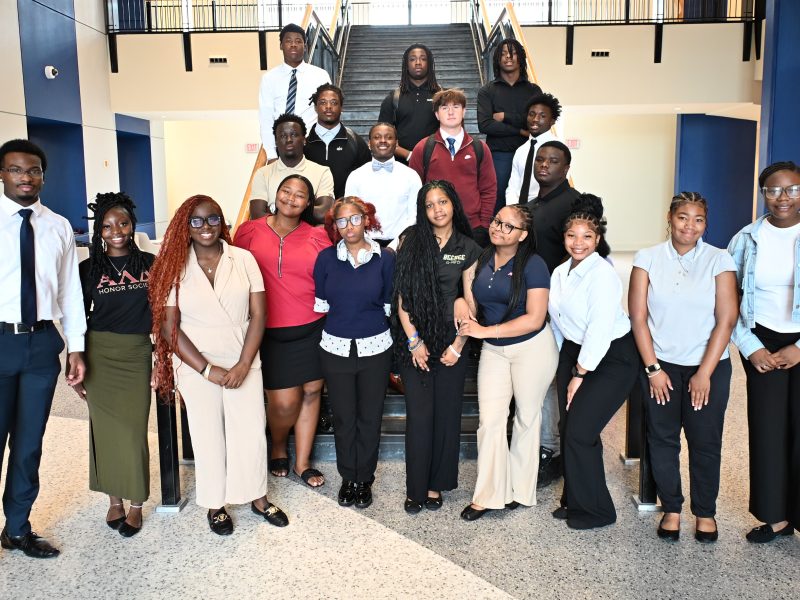
PHOTOS: Albany State Summer Success Academy
Photos by Reginald Christian, Albany State University
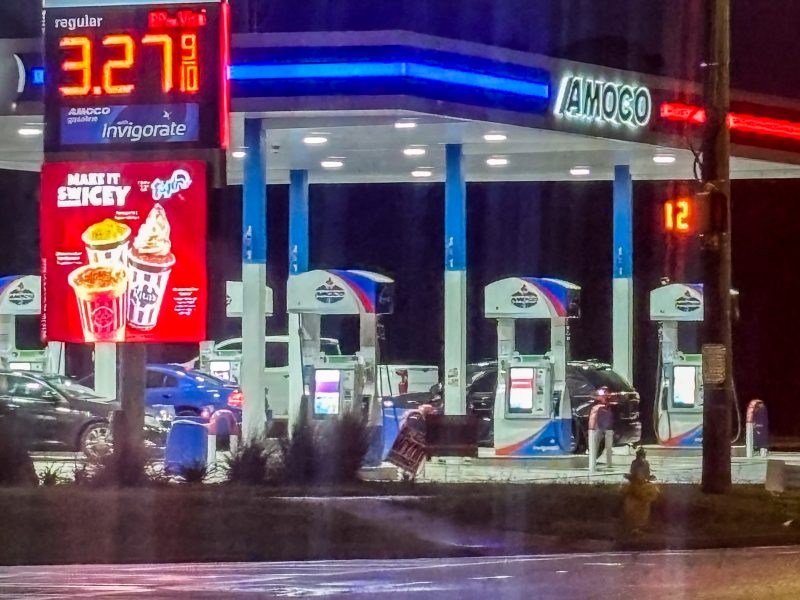
Albany gas prices among Georgia’s lowest as summer fuel costs decline
According to AAA, the average price for a gallon of regular gasoline in the Albany metro area was approximately $3.45 this week, making Albany the second-least expensive metro market in Georgia behind Dalton at $3.41 and slightly ahead of Brunswick at $3.48.
