
CATHERINE RAMPELL: Markets on the right side of history
Catherine Rampell
With relatively little fanfare, the economics of discrimination seems to have been flipped on its head.
At least, that is one optimistic, heartening way to interpret the national backlash to Indiana’s new “religious freedom” law, which has set off a wave of boycotts by consumers, celebrities, politicians and businesses.
Reams of economic research, going back to Nobel laureate Gary Becker’s 1955 dissertation on racial discrimination, have suggested that a key reason firms discriminate is that their customers and employees probably demand it. After all, if employers refused to hire blacks, women, Jews or gays because the employers themselves were prejudiced, their businesses would be at a big disadvantage, since a more open-minded competitor could hire members of the passed-over demographic at an effective discount. But if the customers and employees had a taste for discrimination — and were unwilling to shop or work alongside members of a particular minority — then firms would be better off if they continued to actively discriminate.
In that situation, market forces encourage bad behavior; at least in the absence of anti-discrimination and public accommodation laws, doing the right thing becomes expensive, and potentially fatal, to any business whose customers are assumed to be even slightly prejudiced. Hiring gay men and lesbians, or allowing black people to eat at your restaurant, might drive away your other customers. Or so business owners could have reason to fear.
Becker’s civil-rights-era work was mostly theoretical, laying out a framework under which prejudice could persist in competitive markets. But other studies since then have used experiments and empirical data that seem to confirm that customers’ preferences (real or perceived) encourage discriminatory hiring practices by employers. In one recent study, researchers sent out fake r
Related Articles

Dougherty Commission considers $104 million budget for 2026-2027 budget year
“The other side of the coin is you could have higher revenues than projected. We’re very conservative in budgeting revenues. That also reduces the need to use fund balance”

PHOTOS: Albany State Summer Success Academy
Photos by Reginald Christian, Albany State University
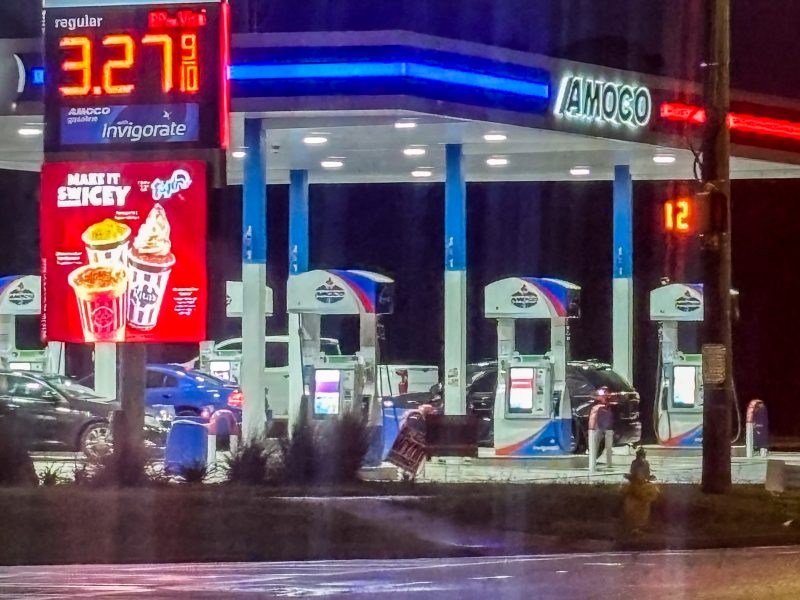
Albany gas prices among Georgia’s lowest as summer fuel costs decline
According to AAA, the average price for a gallon of regular gasoline in the Albany metro area was approximately $3.45 this week, making Albany the second-least expensive metro market in Georgia behind Dalton at $3.41 and slightly ahead of Brunswick at $3.48.
