
Chances of bagging a trophy buck go up when they’re looking for love
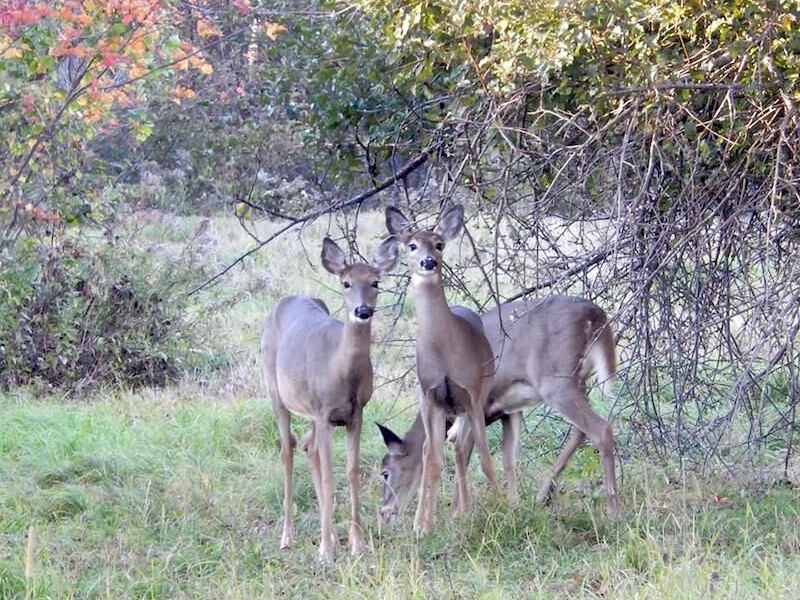
When does are in heat, male deer are likely to get a bit less cautious as they seek intimate moments.
Special Photo: UGA/CAESBy Tom Seegmueller
[email protected]
ALBANY ‒ While there can be no denying the anticipation that builds during the almost eight months that deer hunters spend each year waiting for the opening of the next season, there can also be no question that the even greater anticipation that takes place between that date and the start of the animals’ rut.
When it comes to threats to a whitetail buck’s life expectancy, the rut may well outweigh the threat of feral dogs, coyotes and disease. Once the rut starts, the tactics and options for hunters change as mature bucks expand their range, shifting their focus from looking for food to looking for love. Understanding the dynamics of the rut can help the hunter turn to tactics that improve their chances of getting that “trophy of a lifetime.”
In brief the rut is the period when does come into estrus and bucks actively seek them out for breeding. Knowledgeable hunters know that the rut is not a single event but is divided into three phases.
· Pre-rut: This phase typically occurs in mid-October when younger does first come into estrus. As a result, younger bucks begin to show an interest in the does, and older bucks begin creating and “working scrapes” as they mark their territory. Hunting these scrape lines and paying attention to prevailing winds can be a good strategy.
· Peak rut: This phase of the rut usually comes into play in mid- to late-November as the majority of does come into heat. During this period, bucks are searching aggressively for unbred does. The high hunting pressure during this period can push deer into heavier cover. Hunting near bedding areas is effective. This is also a period where hunting all day can pay off. Rattling may also draw in an aggressive buck willing to fight for a doe.
· Post-rut: This phase of the rut takes place 28 days after the end of the primary rut when unbred does come back into estrus. During this phase, bucks and does will leave the thicker cover and seek food more readily available than during the peak rut. Although the bucks do not appear to be as sex-crazed as they are during the peak, they may travel farther in their quest for love. At this point, they may be tired of fighting, and a little sweet talk with a doe call may do the trick, bringing in a battered older buck.
· While rattling and calls can be effective during the rut, scents also are particularly effective. You can use doe-in-heat scents as an attractant or create mock scrapes. However, be careful and place these far enough away form your stand so that they do not actually draw attention to you and any movement you might make. When you are rattling, bucks usually will circle the sounds imitating other bucks fighting and approach from downwind. During this period, it is also critical you are not tempted to hunt stands when the wind does not favor sitting in them.
During the rut, flexibility is sometimes a critical tactic. Portable ground blinds and ghillie suits may be necessary to adjust to changing deer patterns without disturbing or disrupting them by trying to move or set up stands. In these situations, it is important to pay close attention not only to the prevailing direction of the wind but to doing everything you can to cover your scent. This is particularly true when trying to hunt doe trails between feeding and bedding areas.
The rut also increases daylight movements of bucks and does. However, many hunters tend to overlook the late morning and mid-day opportunities it offers. If you know that you do not have the diligence to stay focused or remain motionless for an extended hunt, you might consider several hunts focusing on these time slots.
Author

Related Articles

‘Flywheel’ comes home as Kendrick brothers bring Brazilian remake to Albany
Twenty-three years after a $20,000 movie made with church volunteers launched their filmmaking careers, Alex and Stephen Kendrick returned Thursday to the Albany theater where “Flywheel” first reached an audience — this time with a Brazilian cast telling the story.

Heated exchanges, lengthy delays precede Lee school board’s 17.96-mill vote
The Lee County Board of Education adopted a 17.96-mill operating tax rate Thursday after a crowded public hearing and a lengthy wait for a vote that left frustrated residents at the meeting until close to 9:30 p.m.

Turnout steady during first week of early voting in Dougherty County
Early voting started statewide on Tuesday, giving voters three weeks to cast ballots ahead of the Nov. 3 election.
