
Connecting Generations hosts graduation ceremony for PASTA program
The PASTA curriculum consists of eight sessions on various topics
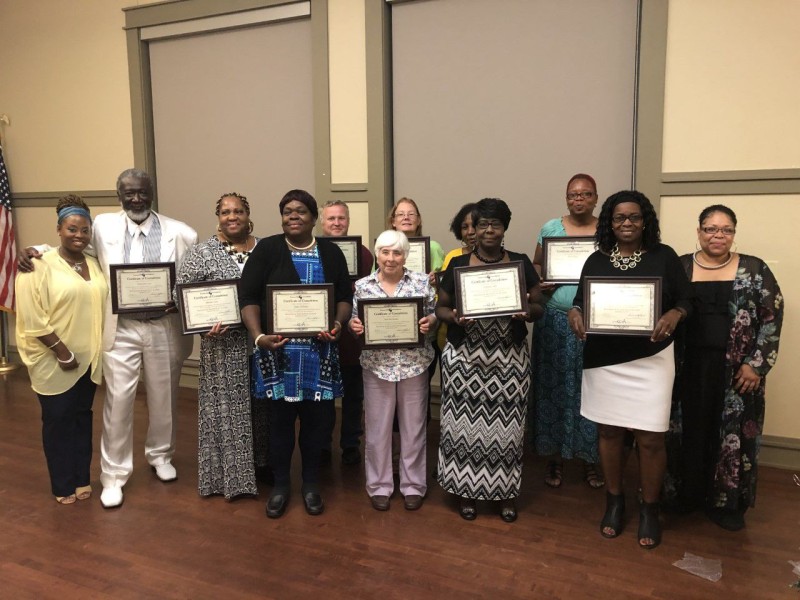
Special Photo: SOWEGA Council on Aging
From staff reports
ALBANY — The SOWEGA Council on Aging Connecting Generations Program hosted a graduation ceremony on Thursday at the Kay H. Hind Senior Life Enrichment Center in Albany.
The ceremony honored individuals who have completed the PASTA, or Parenting a Second Time Around, curriculum.
Connecting Generations is a Relatives as Parents Program designed for relative or kinship caregiving, which is the full-time nurturing and protection of another family member’s child or someone with close family ties. While many caregivers are grandparents, others such as aunts, uncles, siblings, cousins, godparents, church family members and those who the child considers family also share their homes with children who are temporarily or permanently separated from their parents.
The legal, financial, emotional and physical challenges for all family members can be overwhelming. For caregivers, managing daily activities while dealing with social services, legal, education and other systems can be frustrating and stressful.
“Caregivers are the backbone of many households throughout our community. In the unique situation of a grandparent caregiving for their grandchildren, this often compounds their challenges along with their personal needs, health and well-being,” Izzie Sadler, the Council on Aging’s executive director, said. “More support is needed for individuals who find themselves in these circumstances.
“This is why we have developed this program and continue to look for ways to support all caregivers.”
The PASTA curriculum consists of eight sessions focusing on topics including child development, discipline and guidance; caring for oneself as a caregiver; rebuilding a family; living with teens; legal issues, and advocacy. The program goals are to:
♦ Acknowledge the ambivalent feelings that may accompany changing roles as grandparents or other relatives assume parenting responsibilities and children adjust to their new living arrangements;
♦ Help those who have moved into a parenting role feel more confident, comfortable and informed about community resources available to them;
♦ Provide a forum for discussion about sensitive issues including the practice of effective communication skills and information about mental health resources;
♦ Provide an overview of child development, including information about temperament, as a reminder or “brush-up” for caregivers;
♦ Offer information and practical tips about authoritative discipline;
♦ Encourage caregivers to see themselves as advocates for the children in their care, particularly in accessing legal, medical, social and education services;
♦ Review key points about adolescent development in order to establish realistic expectations for teen behavior and explore changing relationships within the family;
♦ Introduce indicators of high-risk adolescent behaviors and discuss strategies and resources to help caregivers keep teen children safe.
Council on Aging officials said they plan to continue to offer this program on an ongoing basis. Individuals interested should contact the council’s Aging and Disability Resource Connection at 1-800-282-6612.
Related Articles

Albany Herald – June 20, 2026
City Albany faces shortfall for police… Women’s Anchorage tentatively set to… Commissioner, school leaders clash over…

Classifieds – June 20, 2026
ALBANY HERALD CLASSIFIEDS JUNE 20, 2026

Public safety drives Leesburg’s $4.2 million Fiscal Year ’27 budget
The adopted spending plan reflects modest growth in city revenues and continued emphasis on maintaining core municipal services, particularly public safety and sanitation, which together account for a significant share of general fund expenditures.
