
CREEDE HINSHAW: Assessing mental health of clergy
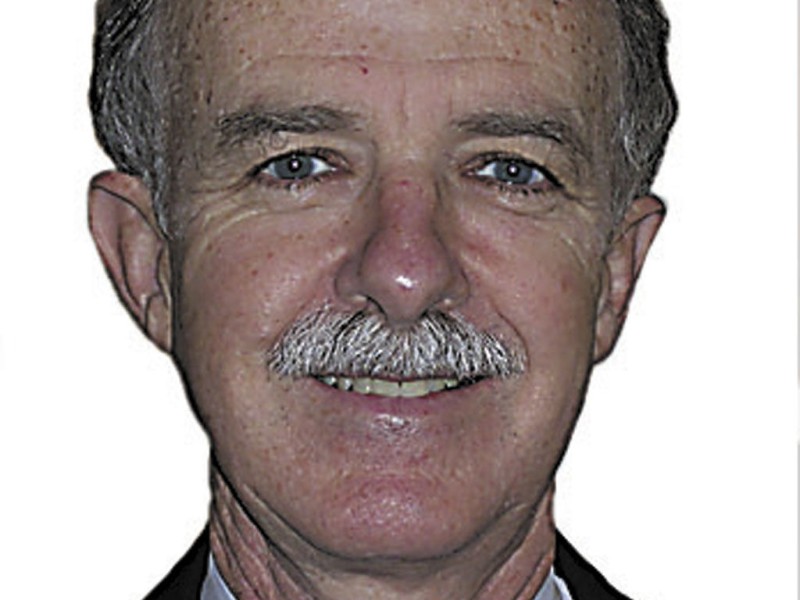
Creede Hinshaw
Clergy mental health is not as strong and vibrant as it should be, a statement that may seem surprising.
Don’t holy men and women represent the all-good God who promises spiritual and mental vitality? Shouldn’t there be a direct connection between healthy faith and healthy bodies, minds and souls? How can clergy have challenges with mental and physical health?
Clergy, by the nature of their calling, often feel isolated; they are frequently placed on a precarious pedestal, making it difficult to develop deep friendships. Sometimes that pedestal is self-constructed; rare is the clergy not tempted to believe the halo fits. In addition, the nature of ministry demands there is always another sermon to write, visit to make, funeral to preach, parish crisis to mediate, ensuring that the clergyperson has infrequent time for self, leisure activities or undivided family time.
In the wake of the Lufthansa tragedy caused by a severely depressed, suicidal co-pilot persons in many professions are reassessing how an organization evaluates and enhances the mental health of its valued employees. Whether the person is the CEO of a Fortune 500 company, a doctor in private practice, a NASCAR driver or an educator, we all have a stake in persons living a healthy a life.
Who is responsible for clergy health? The first answer is that this is the responsibility of the clergyperson. Let the one who presides over the spiritual well-being of others tend to self. Nobody can make a person go to the gym, eat properly and observe healthy rhythms of life. Health begins with the individual.
But sometimes the one trained to heal others is least equipped to heal self. Some of the finest batting instructors in Major League Baseball were the poorest hitters themselves and even barbers and beauticians do not cut their own hair. Often times the best caregivers are unable to take their own prescriptions.
Congregations and denominational support systems must also attend to clergy mental and spiritual health. Some denominations provide pastoral counselors for clergy. Many health insurance policies include free consultations with a therapist. Corporations (Eli Lilly comes to mind) sometimes provide money for clergy to take a sabbatical or form healthy relationships with other clergy (I have been a recipient of one such highly beneficial grant). Generous individuals and groups sometimes make vacation homes available to clergy in need of relaxation and restoration.
What should a congregation do when it senses its pastor/rabbi is severely depressed? In private corporations, a superior may make certain that such a person go for therapy at the expense of the corporation, but congregations are very reluctant to interfere in this sensitive area or to spend the money; laypersons do not know how to lovingly, redemptively approach their leader about his/her healing.
Because of this avoidance everybody suffers until – too often – the church or synagogue severs ties with their leader, preferring to start afresh rather than help the sufferer move through his or her dark night.
Responsibility for clergy health resides with both the religious leader and sensitive individuals and groups within the religious body. When all take seriously the call for clergy health the flock and the chief shepherd will thrive.
Creede Hinshaw, of Macon, is a retired Methodist minister.
Related Articles

Albany Herald – July 11, 2026
Putting on the Ritz… Food, mini menagerie provide… Albany City Commission set to vote on… Following Lee’s lead, Terrell County hits…

Classifieds – July 11, 2026
Albany Classifieds and Legals: Real Estate; Merchandise, Misc…
Small actions can help save big on utility bills
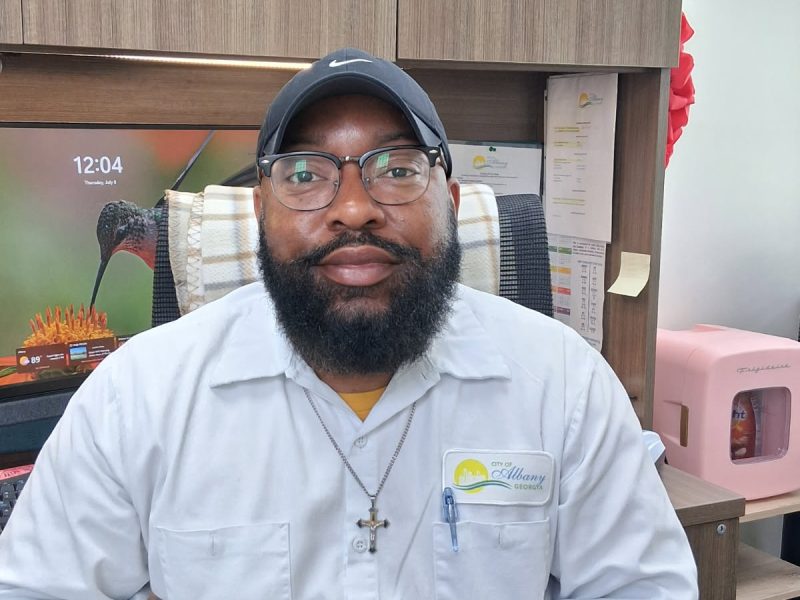
The high temperatures of July and August can bring scorching utility bills as air conditioners hum to keep houses cool. Albany Utilities Residential Conservation Auditor Willie Jackson offered some tips on making summer cooling bills more manageable.
