
CREEDE HINSHAW: Whispers of life as it used to be
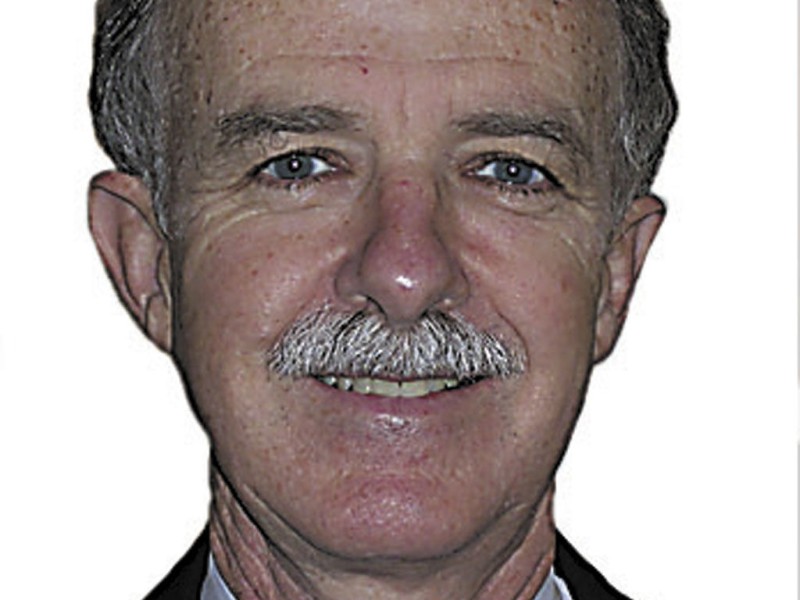
Creede Hinshaw
A country cemetery whispers of continuity and eternity in ways that modern burial places cannot replicate.
Last week, I stood on the hallowed ground of Zion Church Cemetery in Delaware County, Ind., where two daughters (one of them my wife) laid their mother to rest in rich, fertile central Indiana soil. Zion Cemetery is so remote that the nearest withering village is nine miles away. The narrow county asphalt road splitting the Indiana fields and leading to that 2-3-acre plot is reverting to gravel, the limestone and marble monuments long since abandoned by a church building are now sheltered by mature hardwoods and a proud American flag that snaps in the prevailing westerly winds. The nearest fast-food restaurant is 20 miles away; fields of corn and soybean poke their early stalks from the fertile Hoosier loam.
The cemetery superintendent expressed dismay over preparing the cemetery. Nobody had been buried there for a long time. No more plots are for sale and she had hoped everybody who owned a piece of this Indiana Zion had already arrived. There was undergrowth to be cleared, grass to be cut, Zion’s entrance to be more clearly indicated.
Such cemeteries speak of another day. Wandering through Zion, my son and I stood before the tombstone of a man born a subject of King George seven years before the United States declared its independence from Great Britain. Those in agrarian Indiana – as elsewhere– were born, lived their entire lives and died in the same farming community. They plowed the fields, harvested the crops, met at the crossroads, recognized the undulations of the soil, understood the seasons, worshiped in the nearest country church and were laid to rest in a plot of ground next to parents, siblings and children.
My father, buried in a rural cemetery outside Boxley, Ind., illustrates how burial once completed life’s journey. Dad is buried up the road from the little Methodist church he attended as a child. Behind the cemetery flows the creek where he trapped muskrats as a boy and in which the Methodist preacher baptized him. One mile from the cemetery as flies the Indiana crow lies 40 acres, farmhouse long since demolished, where my father was born. Most of his six siblings have tombstones in the same cemetery.
I will not be buried in Boxley, nor will my wife be buried in Zion. Life is different now. Our mobile society and a much higher divorce rate almost guarantee that a family consisting of mother, father and two children could very well be buried – if burial is chosen – in four different cemeteries across the nation or world. Death remains a certainty but the continuity of family and community is increasingly frayed. Standing in Zion Cemetery on an Indiana spring morn, I was grateful for parents, my wife’s and my own, for life’s continuity and for eternal promises that still hold in a world far different than the one our parents once populated.
Creede Hinshaw, of Macon, is a retired Methodist minister.
Related Articles
Congress weighs packaging bill with implications for Albany manufacturers
A congressional hearing this week on proposed national packaging-labeling standards could have implications for several of Southwest Georgia’s largest manufacturers, many of which produce or package products shipped across state lines.

Dougherty County Sheriff’s Office, GBI investigate inmate death
“The sheriff’s office will conduct an administrative investigation to determine if the staff response was appropriate. We have requested that the GBI conduct an investigation.”
Residents’ safety concerns defeat request to privatize Plantation Road
The Terrell County Board of Commissioners rejected a request July 7 to remove Plantation Road from the county road system after nearby residents warned that closing the roadway could leave them without emergency access when adjoining roads flood.
