
Dawson’s water collection problems surface in divided vote on rate study
Dawson City Council voted 3–2 Nov. 12 to approve a study of water rates, as officials questioned whether collections support the system and council members raised concerns about unpaid service, missing meters and unauthorized reconnections.
Council member raises concerns about missing meters and continued water use as council approves review of rates
DAWSON — The Dawson City Council voted 3–2 Nov. 12 to approve a study of water rates, as officials questioned whether collections support the system and council members raised concerns about unpaid service, missing meters and unauthorized reconnections.
Councilwomen Melissa Marshall and Latoya Johnson and Councilman Milton Aaron supported the study. Councilwoman Sondra Walker and Councilman William Durr opposed it. Councilwoman Iri D. Pittman was absent.
Marshall made the motion, and Johnson seconded it.
The vote approved a study, not an increase in water rates. Mayor Robert Aaron said the study would recommend what rates should be, leaving council members to decide what to do with those recommendations.
Walker questioned whether the city should consider higher rates without first addressing problems collecting payment for water already being used.
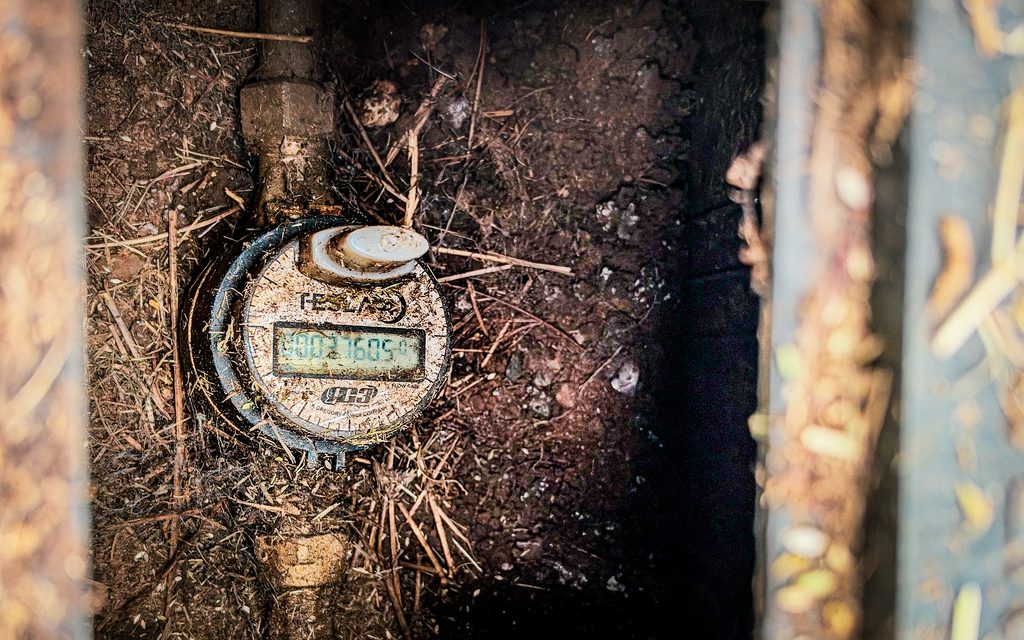
She said residents had told her meters were being stolen and that water was still being used at some properties even after their meters had been removed. She questioned how those situations were occurring and what the city was doing to address them.
City Manager Roxie Powell confirmed that unauthorized reconnections were an ongoing problem. She said some customers restored service after city workers shut it off, including by breaking locks placed on meters.
“Those are issues that we’re currently having,” Powell said.
In response, Powell said, city staff had begun removing entire meters from properties involving repeated violations. She described removal as an enforcement measure after shutoffs and locks failed to prevent continued use.
Staff also review an inactive-account list showing addresses without active water service, Powell said. The list can identify accounts recording consumption despite their inactive status, prompting staff to investigate and shut off service.
Powell said some customers subsequently contacted the city, paid deposits and settled past-due bills. For repeated unauthorized reconnections, she said, workers remove the meter.
Walker said the collection and enforcement problems needed to be resolved as officials considered the water system’s finances.
The concerns follow earlier acknowledgments that Dawson’s utility collection procedures were not working consistently.
During a July budget presentation, Powell told the council that some customers who should have been disconnected for nonpayment had not been disconnected. She said the city had changed those work assignments after discovering the problem.
City financial records reported at that time showed utility-billing collections falling from $365,979 in February to $267,622 in June. Those figures covered utility billing overall and did not establish how much of the decline resulted from unpaid water accounts or missed disconnections. The city’s proposed recovery plan called for improving utility collections and identifying water leaks, among other measures.
At the November meeting, Aaron connected the water study to efforts to prepare for infrastructure funding. He said he had met with auditors and a Georgia Municipal Association representative about the information Dawson needs to pursue assistance for water lines and other work.
He identified completion of audits and a review of water revenue as parts of that effort. He said the city’s last water study was conducted in 2011.
The funding concerns also surfaced at the Oct. 8 council meeting, when GMA member services consultant Emily Davenport warned that overdue audits threatened Dawson’s access to infrastructure grants.
The study is intended to give the council information about rates and system costs. Any decision to change customers’ charges remains separate from the approval granted Nov. 12.
Related Articles
Young Sisterhood seeks room to grow as mentoring program returns to Dawson
Forty-four girls have joined Young Sisterhood since August, Allison Harvey told Dawson officials Nov. 12. Now the mentoring organization is looking for space to bring them together as it rebuilds a program with roots in Terrell County stretching back nearly two decades.

Dawson clerk hiring delayed over questions about job duties
Dawson City Council members questioned a proposed city clerk job description Nov. 12, focusing on whether financial and administrative duties matched the responsibilities laid out in the city charter.
Improper payroll deductions among seven findings in Terrell school audit; corrective action planned
Terrell County school officials are working to correct payroll, purchasing and recordkeeping weaknesses identified in a fiscal 2025 audit, with Superintendent Shereca Harvey outlining the findings and additional reviews during an Oct. 6 school board work session.
