
District: Flu cases more frequent than they seem
Jennifer Maddox Parks
ALBANY — There have been some reports circulating recently that the the rate of H1N1 flu activity may be decreasing. While that appears to be the case, experts say the numbers are deceiving.
In August, officials discontinued counting H1N1 cases separately and began looking at flu activity overall. That might lead to the misconception, Southwest Public Health District Director of Infectious Disease Daniel J. Staib said.
“It does give the false impression that the numbers have diminished,” he said. “We have flu-like activity, but we are not necessarily attributing it to H1N1.”
As the illness became more widespread, officials decided not to test everyone and instead focus on hospitalized patients in order to better track the severity of the disease rather than the spread, which Staib said would also contribute to the numbers being misleading.
Generally, .5 percent of flu cases result in hospitalization this time of year. Instead, the spike this year has caused the number of emergency room visits in relation to flu-like illness to be 14 times greater than it usually is.
“That’s a significant change,” Staib said.
Within the week ending on Oct. 17, there were nearly 13,000 specimens in the United States tested for influenza. Of the specimens that came back positive, 69.7 percent were H1N1.
“We are seeing an increase in H1N1, but you have to look at it in a roundabout way,” Staib explained.
At the same time, there were 46 states, including Georgia, that were reporting geographically widespread flu-like illness, a report from the Centers for Disease Control and Prevention indicated. A total of 95 pediatric deaths associated with H1N1 have been reported nationwide.
Asked about a possible second wave of flu-like illness, Staib replied, “No question about it. In my opinion, we are beginning a second wave. Based on all the available evidence, we are going to see another peak.”
The second wave is likely to peak between now and Nov. 15, Staib added, and there is no way to indicate how severe it will be.
From April through July, a total of 43,677 laboratory-confirmed cases of H1N1 were reported in the U.S. A study released by the CDC this week found that when the numbers were adjusted using multipliers to correct factors that can lead to undercounting, the rate was significantly greater. Researchers are now estimating that between 1.8 million and 5.7 million cases, including 9,000 to 21,000 hospitalizations, may have occurred within this time period.
Related Articles
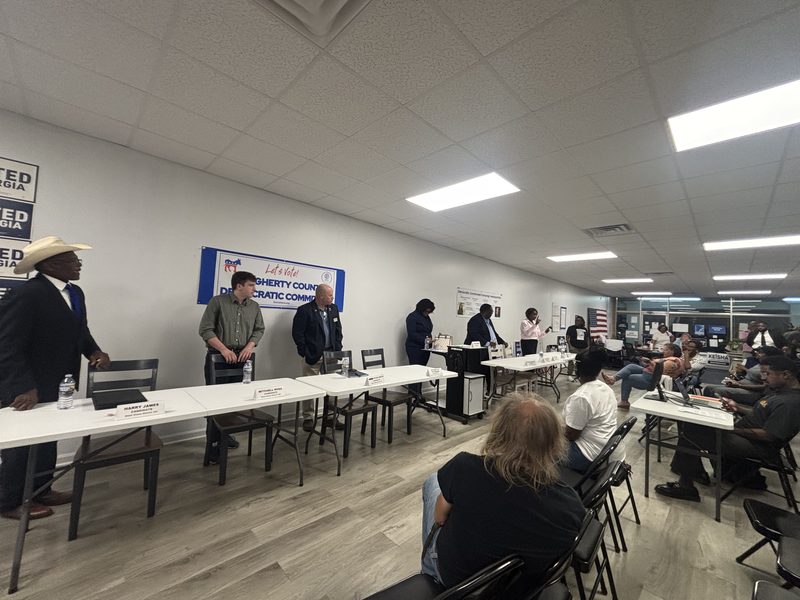
Candidates debate health care, development, rural investment at Albany forum
Candidates seeking to represent Southwest Georgia called for greater investment in health care, education and infrastructure during an Oct. 1 forum, but differed over data centers, economic development and how to work across party lines.

Former Dougherty Commissioner Harry James challenges ‘dean of legislature,’ Gerald Greene
Georgia voters go to the polls on Nov. 3.Among the state House races on the ballot in southwest Georgia is District 154, where incumbent Republican Gerald Greene will face Democratic nominee Harry James.
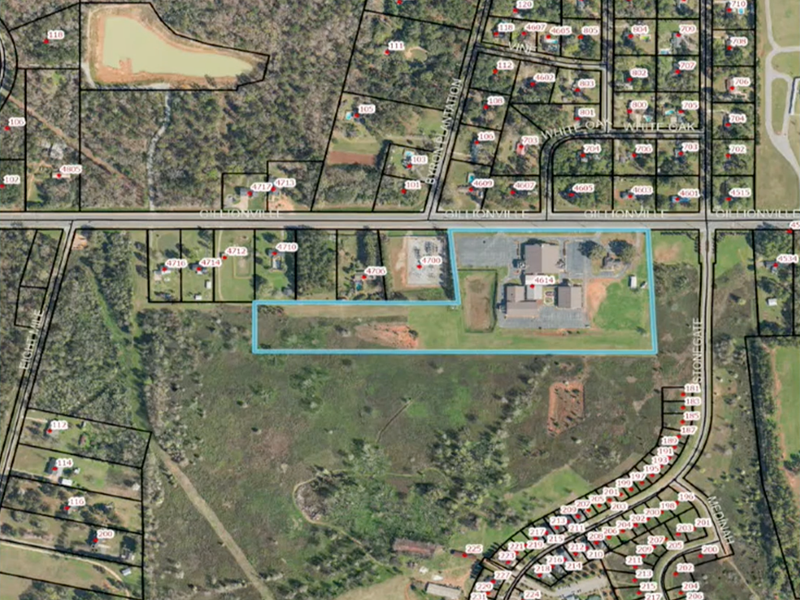
County approves 198-foot Gillionville Road cell tower; no speakers at public hearing
Dougherty County commissioners unanimously approved a 198-foot cell tower behind a church on Gillionville Road, with no one speaking for or against it at the public hearing.
