
DNR: Help keep invasive species out of Georgia waters
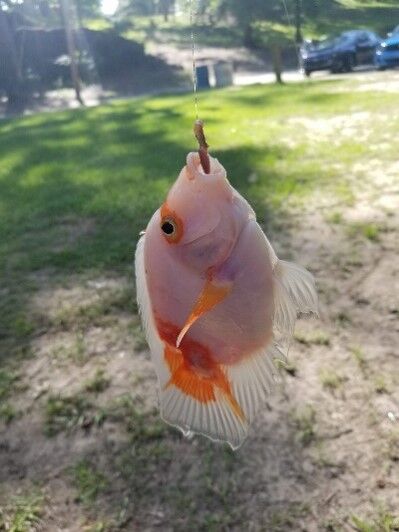
Special Photo: Georgia DNR
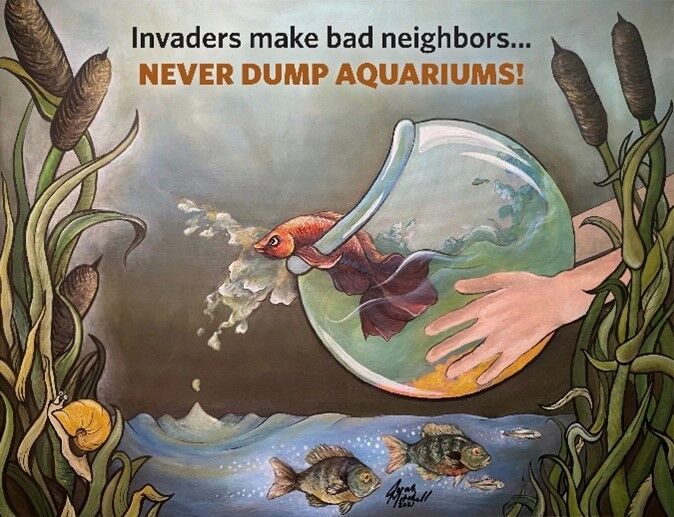
Special Illustration: Georgia DNR
From staff reports
[email protected]
SOCIAL CIRCLE – When the stakes are as high as keeping Georgia waters safe from invaders, the vigilance never ends. All anglers, boaters and outdoor recreation enthusiasts are encouraged to look for aquatic nuisance species when spending time near the water and if seen, report them, according to a report from the Georgia Department of Natural Resources’ Wildlife Resources Division.
“As the weather warms and people start to emerge from their winter ‘hibernation,’ it is the perfect time to remind everyone to watch and report nuisance species in Georgia waters,” WRD Aquatic Nuisance Species Program Coordinator Jim Page said. “Prevention is the best tool we have to protect native species and minimize the impacts of invasive species. This requires help from everyone, so if you’re reading this, we need your help.”
Invasive aquatic species can cause significant ecological and economic impacts across the state, from damaging vessels and other boating equipment, to impeding access to water bodies to disrupting the natural ecosystem by displacing and out-competing native species. Ultimately, almost all these impacts are preventable. So if you see a plant or animal or fish that looks out of place, DNR officials encourage you to report it.
What do these invasive species look like? It could be an invasive plant growing across the top of a pond, invasive snails found on plants near a waterway, or a fish species that is either not native to the water body or not native to Georgia.
How do these species get there? Introduction of nuisance species can occur in multiple ways, with one of the most common ways being aquarium releases. If you have an aquarium, never dump your pet fish, snails, reptiles, plants or other non-native wildlife. If you no longer want these species, and can’t rehome them, please reach out to a WRD fisheries office for assistance
“Protecting our incredible natural resources and native species here in Georgia is a team effort,” Page said. “Together, we can sustain the amazing healthy biodiversity found in the state and enjoy it for generations to come.”
For outdoorsmen and women ready to get vigilant, they may access educational information, a reporting form, and an opportunity to take a free certification class about Aquatic Nuisance Species at GeorgiaWildlife.com/ans.
Author

Related Articles
Albany Herald – July 18, 2026
Georgia Trust for Local News partners with… Adult leadership group spreads concept to… Lee County homeowners have until Aug. 1 to…
Classifieds – July 18, 2026
Classifieds; Legals;

Albany police make arrests in murder, robbery cases
Officials with the Albany Police Department have announced a number of arrests in cases that involved a homicide and a pair of thefts.
