
Dougherty Environmental Control Division on front lines of mosquito war
“It usually takes about five to seven days to complete a quadrant, depending on the weather. Running four, we can get to all four quadrants to make sure we get to citizens in a timely manner. Mosquitoes can carry diseases and they are a nuisance.”
ALBANY – Summer is a time for long days that seem to last forever, backyard cookouts and the smell of fresh-cut lawns. But along with that freedom and long days comes the not-so-pleasant, the heat and humidity.
Those hot, wet summer months also can bring unwelcome visitors like aedes and culex, genera of those biting visitors who can make for an uncomfortable and itchy experience outdoors.
And those biting mosquitoes can be more than just a pest. They also can spread diseases that can be deadly, like the West Nile and the zika viruses.
In Dougherty County, the employees in the Environmental Control Division are out every weekday during the time of the year that the flying bloodsuckers are most active. The technicians monitor the county to detect the presence of larvae and cover the county in trucks spraying to keep mosquito numbers down.
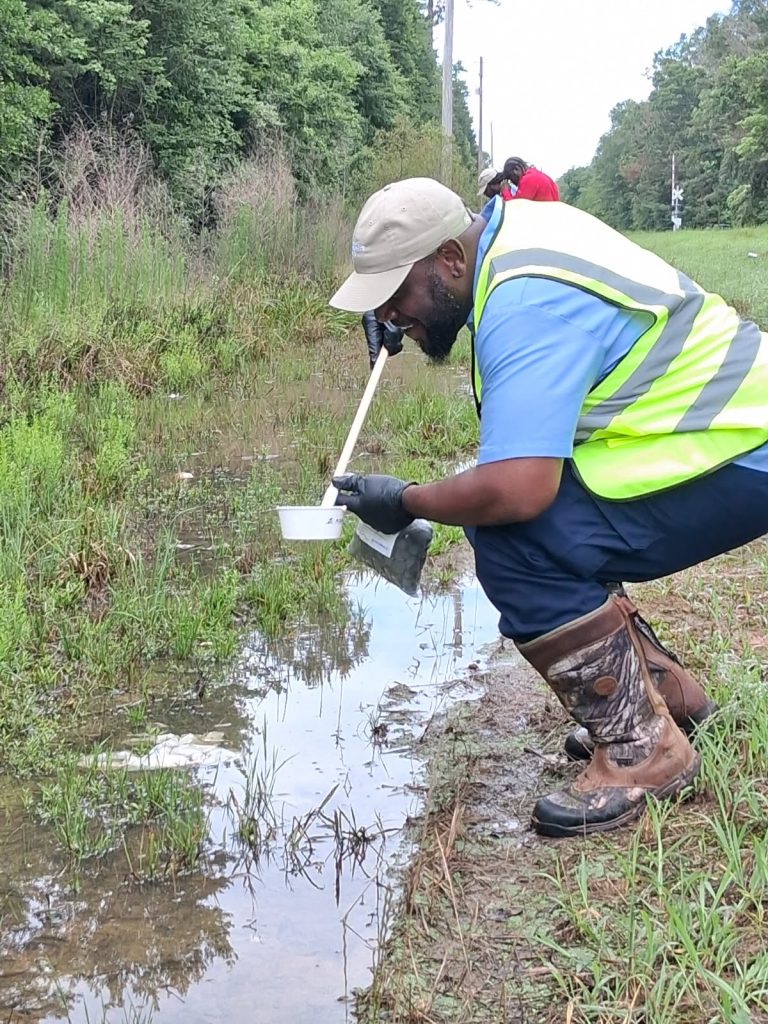
The technicians face dangers more scary than mosquito bites, however. Asked whether he ever encountered water moccasins on the job, Michael Fields, who was checking water samples on Lockett Station Road this week, responded, “All the time.”
“They’ll go look at water; they’ll check the water in ditches, canals, holding ponds, low-lying areas,” division Manager Samuel Green said. “We do all four quadrants of Dougherty County (and the city of Albany), so we run four trucks.”
On Lockette Station Road, the technicians dipped samples from a large pool of standing water, peering inside to look for larvae. They eventually tossed larvicide pellets into the water.
As of late May, the technicians had made two rounds of the entire county and were in the midst of the third round since the first rains came after a prolonged drought helped keep mosquito numbers at bay.
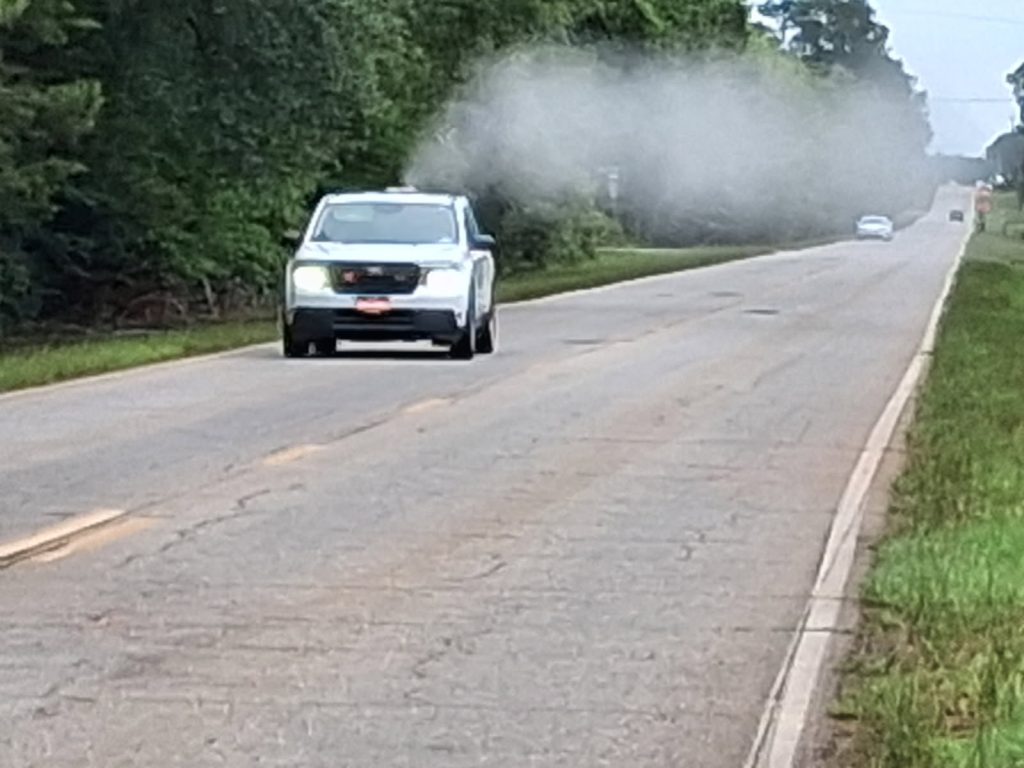
The Environmental Control Division is also responsible for applying herbicides and mowing along roadways and trimming trees and brush on rights-of-way on county-maintained roadways.
“We started spraying in April; in mid-April we started (using) adulticide,” Green said. “It usually takes about five to seven days to complete a quadrant, depending on the weather. Running four, we can get to all four quadrants to make sure we get to citizens in a timely manner. Mosquitoes can carry diseases, and they are a nuisance. They can cause heartworms in dogs.”
In addition to checking the standing water, the division also collects mosquitoes in traps that are sent for testing to check for mosquito-borne diseases. The first West Nile case was confirmed in the county in 2005, and the last time it was confirmed here was in 2018, when there was a cluster of four cases.
There has never been a confirmed case of zika in the county, Green said.
The aedes genus mosquitoes are unique among mosquitoes in being active during the daytime. They are also often referred to as “ankle biters” because they tend to feed close to the ground.
At night, the culex varieties take over, and they can carry diseases including West Nile and Western and Eastern equine viruses.
One thing people can do to avoid bites is to limit time outside to when mosquitoes are least active.
Asked about what people can do to avoid exposure to mosquitoes, Green gave the standard advice of wearing long-sleeved shirts and pants. But accepting that is not practical in the age where many people wear short sleeves and shorts because of the heat, an insect repellent containing DEET can offer the best protection, he said.
Individuals can have different results with products, so he suggested experimenting to find the one that works best.

Staff Photo: Alan Mauldikn
While county workers are not allowed to spray along private roads or treat private property, Green said that he is available to consult with individuals who are having problems with mosquitoes.
Mosquitoes can breed in a minute amount of water, even a bottle cap from a plastic drink bottle, the manager said. One product that can help are mosquito dunks, which are available at home-improvement stores.
Green also encouraged beekeepers and individuals who host hives on their property to let him know where honey bees are located. The larvicide used can affect bees, and with the location of hives available the technicians can avoid spraying close to them.
“We need those honey bees,” Green said. “We need our pollinators.”
Author

Related Articles

Albany Herald – July 21, 2026
From cotton to cloud… Dougherty Jail graduates first class of… Worldwide United
Way leader speaks…

Classifieds – July 21, 2026
Albany Classifieds and Legal Notices:

Albany Herald – July 18, 2026
Georgia Trust for Local News partners with… Adult leadership group spreads concept to… Lee County homeowners have until Aug. 1 to…
