
EDDIE SEAGLE: Notes of landscape interest

Eddie Seagle
“Nature is never finished.”
— Robert Smithson
“The less routine, the more life.”
— Amos Bronson Alcott
“Life is an adventure in forgiveness.”
— Norman Cousins
This month has been very hot and humid, and most people are preparing to trade summer for some great fall weather. However, now is the time for rooting plant materials from cuttings, taking soil samples and having them analyzed for improved soil and plant health, and developing plans for your fall landscape needs. Feed mums every two weeks with liquid fertilizer until flower buds appear. Also, dried blood repels rabbits, white geraniums repel Japanese beetles and dragonflies feed on mosquitoes. Other notes of landscape interest include:
Brussels sprouts: Fall is the best time to grow brussels sprouts throughout most of the Sun Belt. Sow seeds directly into your garden seedbeds or use transplants (seedling plants). Like cabbage, brussels sprouts are heavy feeders and need fertilizer to bring them along. Make monthly applications of 5-10-10 or similar analysis fertilizer beginning when the plants reach about four inches in height. Apply at a rate of about one-half cup of fertilizer per square yard of planted area. Brussels sprouts and other fall vegetables may also be used in landscape beds for their ornamental value during their growth cycle and harvested for the kitchen and dinner plates at maturity.
Cannas: Continue to remove faded and expired flowers to prolong the bloom season into the fall. Cannas are moderately drought resistant, but plants will be more robust with higher quality blooms if watered every three to five dry days. Later in August, make a final application of fertilizer, such as 5-10-10 or similar analysis, at a rate of one-half cup per square yard of planted area.
Crape myrtles: Continue to remove excessive vegetation as needed for better shape, form and health (do not commit crape murder). Also, remove exhausted and spent flowers to encourage a fall presentation of flower color. Continue to inspect these plants for any insect or disease activity. If the leaves are sticky and blackened, then aphids or scale insects are a distinct possibility. These insect pests release a honeydew (sticky substance) and the sooty mold fungus (blackened effect) feeds on it. Control your insect problem and you will cure the mold situation.
Dogwoods: Continue to remove excessive vegetation (suckers and unnecessary growth) along main and lower branches as needed for better shape, form and health. Continue to inspect these plants for any insect or disease activity and address accordingly. Be on look out for anthracnose fungal activity.
Fall annuals: Sow seeds (or set out seedlings) of pansies and calendulas in early August for a vibrant November display of color. Marigolds and nasturtiums can also be planted for a fall display. Pinch mums (chrysanthemums) for a final time in early August to encourage improved budding and flowering.
Flowering kale: Sow seeds of flowering kale in August. Prized for its colorful ornamental leaves (pink/red, purple or white centers surrounded by green), flowering kale is also edible. Plant in full sun in healthy, well-drained soils. Also, flowering kale may be grown in containers for use on the deck or patio. To keep flowering kale healthy and showy, water frequently during dry weather. Ornamental cabbages have leaves with wavy edges, while the leaves of ornamental kale have ruffled or crinkled edges.
Landscape planning: August is a great month to utilize for planning your woody ornamentals and sketching your site plans rather than actual planting. The initial step is an analysis of the site to determine needs and identify problematic situations such as poor drainage and compaction. Review and study your plant choices and their cultural requirements. Develop and sketch your ideas to scale onto paper. Your initial thoughts, ideas and approach should be very general. However, as the process develops and you begin to address your wants and the site’s needs, the final sketch or drawing should be very specific and ready for a fall installation.
Palm plantings: This is the season for planting palms and all hardy species can be installed now. Select those species which are recommended for this area and offer a tolerance to the lethal yellowing disease.
Pine straw: Late July marks the beginning of any noticeable falling of pine needles from surrounding pine trees. This dropping will continue deep into the fall season. Rake these needles and use the straw to refresh your landscape beds. Pick up any fallen pine cones before mowing. The heavy green pine cones can be destructive to your mower unit, as well as becoming a safety hazard to people and property when thrown by the mower blades.
Powdery mildew: This is a fungus that appears as a white powder (resembling talcum powder) on plant foliage (tops and bottoms of leaves). Powdery mildew is at its height of infestation on plants in late summer, especially in wet conditions. Crape myrtles, roses, zinnias, marigolds and others are among the plants affected.
Pruning: Most major pruning is done in the spring, but now is a good time to perform minor pruning to shape plants. Most spring flowering plants are setting buds now, so prune only to cut back long shoots and remove dead or diseased wood (otherwise, you may be removing flower buds). Continue to water your plants as needed and make a final, light application of fertilizer during August. In addition, remove dead blooms from all plants and divide daylilies and Japanese irises. Plant Madonna lilies and newer hybrids. Take cuttings from rock garden plants such as sedum, phlox and pinks to put in a coldframe for the winter.
Repellent: A homemade mosquito (ants and fleas) repellent includes
Related Articles

Dougherty Commission considers $104 million budget for 2026-2027 budget year
“The other side of the coin is you could have higher revenues than projected. We’re very conservative in budgeting revenues. That also reduces the need to use fund balance”

PHOTOS: Albany State Summer Success Academy
Photos by Reginald Christian, Albany State University
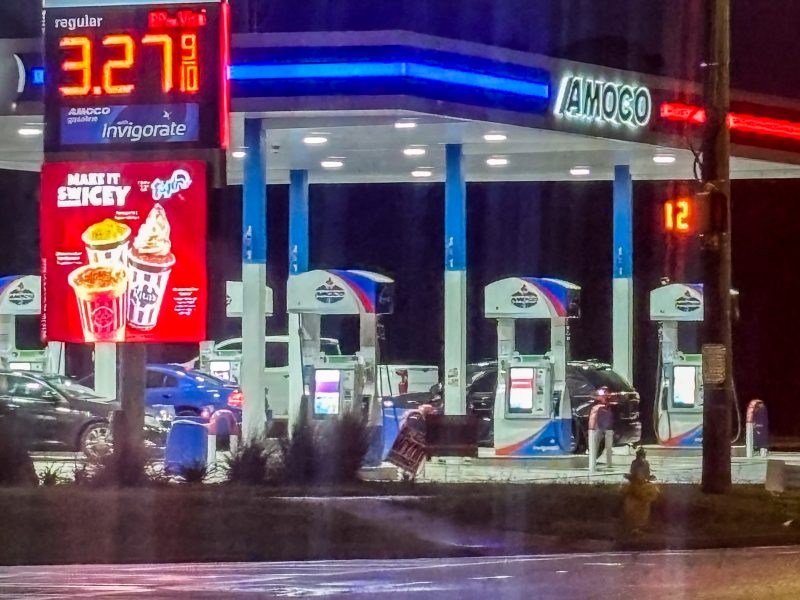
Albany gas prices among Georgia’s lowest as summer fuel costs decline
According to AAA, the average price for a gallon of regular gasoline in the Albany metro area was approximately $3.45 this week, making Albany the second-least expensive metro market in Georgia behind Dalton at $3.41 and slightly ahead of Brunswick at $3.48.
