
EDDIE SEAGLE: Time to think about fall landscapes
Eddie Seagle
“Heat still sizzles in the fields. In August summer still yields. The sun shines to no regret. Wind sauntering ‘til sunset. ‘Though heat is being cooled off by the rain, preserving flowers, and meadow green. But summer still taking what it brings, the August incense with fugacious wings. It’s the late August in summer’s fair.”
— Ency Bearis,
Late August.
Recently, the weather has been very hot and dry with a few late summer showers scattered in between. It is time to start thinking about the fall landscapes and what you need to do in preparation using both seasonal permanent plantings. This brief list can serve as a guide to help get you started in the right direction.
Angel’s Trumpet Bush: The plant is a perennial and blooms during the Christmas season exhibiting its showy flowers which resemble long trumpets of the angels. Because it likes warm days and cool nights, the month of December tends to favor extensive flower development and an awesome display of color (yellow, pink, purple, apricot, and white). Even though the tiny hummingbirds eat the angel’s trumpet’s nectar, humans and pets must be very careful around this plant. It comes from the deadly nightshade family and is poisonous. If you have this plant, simply wear gloves while working it and keep your pets away from its vicinity.
Asters (Michaelmas Daisies): In shades of pink, purple, blue and white, these delicate daisy-like blossoms begin opening in late August and continue until frost. Pinching in the early summer promotes mound development exhibiting dozens of flower buds. Asters will tend to creep throughout the garden, but they will blend particularly well with other flowers.
Bulbs: Fall flowering bulbs should be transplanted in the next couple weeks. Preferred choices for autumn color include colchicums, crocuses, red spider lilies, baby cyclamen, and white swamp lilies. Delay planting spring flowering bulbs until November and December.
Caryopteris (blue mist shrub): Caryopteris is often grown in the perennial garden and slowly blossoms in August with dazzling blue flower clusters attracting butterflies and bees. If the caryopteris is pruned back in early spring, then the gray-green foliage is attractive all season.
Chelone (turtlehead): With blossoms shaped like turtles heads, chelone is a carefree fall blooming perennial with a dislike for excessive dry heat. Chelone grows in a dense clump offering attractive foliage and red, pink or white blooms to the landscape.
Chrysanthemums: There are many varieties of mums from which to select and plant in your landscape. Mums and pumpkins are the “flag-bearers” of plants for the fall season. Plant potted mums in the ground in the next few weeks and enjoy a season of many beautiful colors.
Cuttings: If you have not taken semi-hardwood cuttings of broadleaf evergreens for propagation, then they can be taken now. Some of the easiest to root are abelia, barberry, boxwood, euonymus, most hollies, yellow jessamine, privet, sweet olive, and firethorn (pyracantha). Root the cuttings in a cold frame or in a greenhouse structure. Rooting time varies from three weeks for barberries to about three months for some hollies. Keep rooting media slightly moist at all times.
Division: Divide your summer flowering plants such as hostas, hemerocallis, and irises in the next few days.
Impatiens: Pinch back leggy impatiens to make them more bushy and to stimulate flowering. They recover quickly from pruning and produce flowers again in two to three weeks. After pinching, apply a low nitrogen fertilizer such as 4-0-8 at approximately one-half cup every square yard of bed area. Water the fertilizer into the soil, being sure to wash off any fertilizer spilled on the leaves.
Lawn Repair: This is a good time to repair small, bare spots in the lawn. Purchase pieces of sod of the lawn grass you have, such as centipedegrass. Prepare the soil in each bare spot and use a sharp knife or machete to cut the sod to size and shape of each spot. Carefully firm each piece of sod in position and lightly step on it or tamp it with a flat tamping tool. Be sure to water daily until established.
Pansies: Set out pansy plants now, or sow seeds directly in garden in well-prepared soil. The pansies should bloom before the first killing frost. As temperatures begin to warm in late winter, they should put on new growth for another show in the spring. Pansies work very effectively as bedding plants, borders, rock garden placements, edging materials, and in planters.
Pine Straw Mulch: It is time to start thinking about replacing the pine straw mulch in your beds if it is weathered and discolored. However, if it is in fairly good shape, simply add a thin layer of fresh pine straw over the top of it as a refresher for aesthetics. Replace the pine straw every one to two years in your landscape beds.
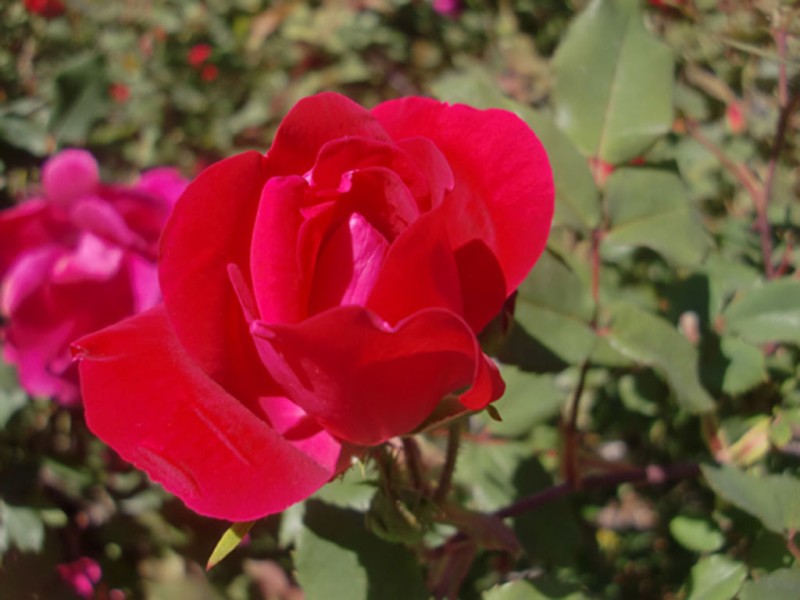
Roses: If your roses have been bothered by insects and diseases, it’s a good idea to remove the old mulch and replace it with new material. Also, removed diseased canes and continue with a weekly spray program for insects and diseases. Keep the plants watered on scheduled program in order to encourage a good flower display in the fall.
Knockout Roses: Select pruning for shape can continue to be practiced. Water regularly and fertilize after each showing of flowers with an appropriate knockout rose fertilizer. Prune during late winter or early spring (about mid-February) before new growth appears.
Solidago (goldenrod): Goldenrod is finally getting the attention it deserves as new varieties (Fireworks and Golden Fleece) are sturdy and full of fall blooms. These plants can be used wisely in the landscape.
Watering: Continue to irrigate your plants based upon the need and species. Set your automatic systems to deliver the necessary amounts of water and calibrate on a regular basis. If you are using garden hoses, use a watchful eye to deliver sufficient moisture without wasting water through runoff and puddling. Water deeply and infrequently. Never apply water at a rate higher than your infiltration rate into the soil. Coordinate your application program with the precipitation rate to conserve water.
Miscellaneous: Continue to sow seeds of sweet William, English daisies, and snapdragons. Plant paperwhites and other bulbs for indoor forcing. Continue the scheduled feeding of dahlias and chrysanthemums. Develop a plant material shopping list for planting activity next month. Also, start collecting cones, acorns, dried leaves of cucumber magnolias, grape vines, and similar materials for Christmas wreaths and decorations. Enjoy your every activity as you focus on a sustainable and pleasing landscape.
As you continue your sustainable plantscaping this month and commit to this cost and effort, please also commit to providing the necessary care to keep your plants healthy and attractive. And, as always, remember to feed and water the birds!
“I have set the Lord always before me. Because he is at my right hand, I will not be shaken.” Psalm 16:8.
Eddie Seagle is a sustainability associate, Golf Environment Organization (Scotland); agronomist and horticulturalist, CSI: Seagle (Consulting Services International); professor emeritus and honorary alumnus, Abraham Baldwin Agricultural College, and associate editor of The Golf Course, International Journal of Golf Science. Direct inquiries to [email protected].
Related Articles
How Trump’s Endangered Species Act revisions could affect Southwest Georgia
Earlier this month, the Trump administration finalized a rule rescinding the long-standing regulatory definition of “harm” under the Endangered Species Act, removing language that had interpreted the law to include significant habitat modification or degradation that actually kills or injures protected wildlife.
Mitchell County official refutes charges made by group opposing rezoning of land to be purchased by energy giant
“At no time has NextEra mentioned a data center,” James Eubanks said of negotiations with the world’s largest electric utility holding company.

Mitchell County group fights NextEra Energy project
On June 29, the Mitchell County Board of Commissioners voted to approve a rezoning request that would change 300 acres in the northern part of the county from Agriculture to Industrial.
