
Extended-stay hotels growing option for poor families
By By Andy Miller & Renuka Rayasam
KFF Health News
STONE MOUNTAIN — As principal of Dunaire Elementary School, Sean Deas has seen first-hand the struggles faced by children living in extended-stay hotels. About 10% of students at his school, just east of Atlanta, live in one.
The children, Deas said, often have been exposed to violence on hotel properties, exhibit aggression or anxiety from living in a crowded single room, and face food insecurity because some hotel rooms don’t have kitchens.
“Social trauma is the biggest challenge” when students first arrive, Deas said. “We hear a lot about sleep problems.”
To meet students’ needs, Deas developed a schoolwide program featuring counselors, a food pantry, and special protocols for handling those who may fall asleep in class.
“Beyond the teaching, there’s a social part,” he said. “We have to find ways to support the families as well.”
Extended-stay hotels are often a last resort for low-income families trying to find housing. Nationally, more than 100,000 students lived in extended-stay hotels in 2022, according to the Department of Education, though officials say that is likely an undercount. Children living in hotels are considered homeless under federal law, and in some Atlanta-area counties about 40% of homeless students live in this kind of housing, according to local officials.
And with rising rents and evictions, and decreased access to federal public housing, the use of extended-stay hotels as a long-term option is becoming more frequent. Like other forms of homelessness, hotel living can lead to — or exacerbate — physical and mental health problems for children, say advocates for families and researchers who study homelessness.
In the Atlanta area, inspections of extended-stay hotels have revealed ventilation issues, insect infestations, mold, and other health threats. Children living there also can experience or witness crime and gun violence. The increasing use of extended-stay hotels is a warning sign, observers said, a reflection of the lack of sufficient affordable housing policy in the U.S.
And the crisis is having “lifelong consequences,” said Sarah Saadian of the National Low Income Housing Coalition. “The only way that we can really address that shortage is if there are significant federal resources at scale. Build more housing and bridge the gap between rents and wages.”
Author

Related Articles

Blackberry Smoke celebrate 25 years with tour supporting greatest hits: ‘Rattle, Ramble and Roll’
Blackberry Smoke frontman Charlie Starr talks to The Albany Herald about the band’s show here Oct. 22.

Albany burning
Albany firefighters battled a two-structure blaze in the city’s downtown just before noon Friday.
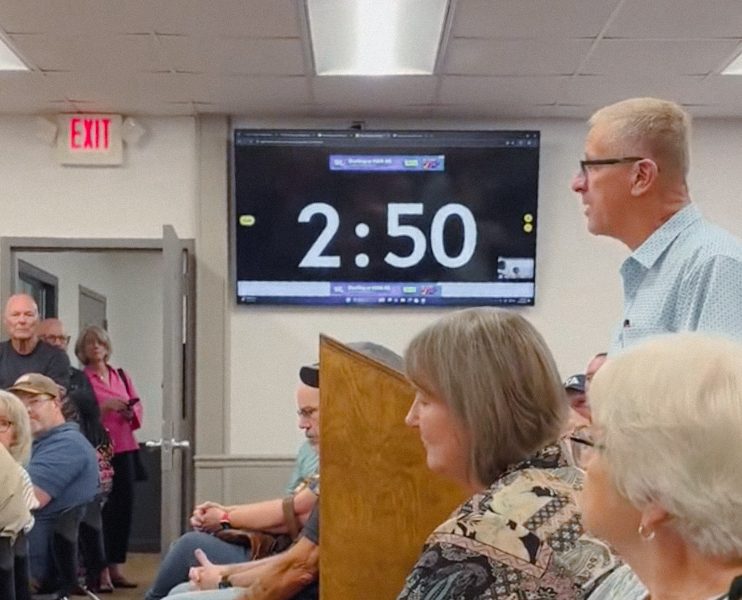
‘It’s time to listen to us’: Lee County school tax proposal draws fire
A longtime Lee County resident urged the school board to reject a proposed property tax increase during its first public hearing Oct. 8, questioning spending priorities and warning about the burden on families and older residents.
