
Federal funding for Valdosta food bank will expand capacity in 26-county service area
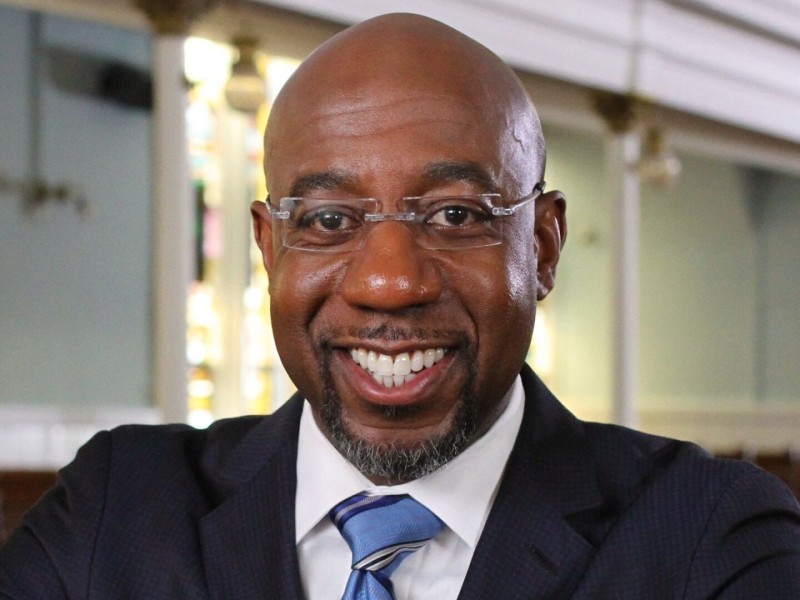
Sen. Raphael Warnock
Special PhotoBy Alan Mauldin
[email protected]
VALDOSTA – A $2 million federal outlay to construct a new food bank with a new facility with expanded dry- and cold-food storage and a larger kitchen, will help south Georgia residents struggling to meet their nutritional need.
Second Harvest of South Georgia serves 26 counties, including Baker, Colquitt, Cook, Decatur, Early, Grady, Irwin, Miller, Mitchell, Seminole, Sumter, Thomas, Tift and Worth counties.
Georgia Democratic Sen. Raphael Warnock said that the funding, which he initiated, is needed because the food bank is being called on to provide disaster relief far more often and is a hub for area relief efforts.
He visited the current facility last year when it was engaged in relief efforts following Hurricane Idalia, which caused extensive damage in the Valdosta area.
“It was too small, so we needed to increase the capacity to respond to the increasing need,” he said during a Thursday telephone interview. “Georgians in rural areas who are food-insecure face some of the toughest barriers to nutrition access. That’s why I was proud to sponsor this.”
The funding was included in recent government funding minibus legislation.
The new facility is expected to allow for the ability to isolate work functions for the health, safety and welfare of staff, volunteers, partner agencies, and the people they serve. The new facility will provide 25 new jobs to the region and increase their ability to utilize locally-sourced foods.
“We’ll continue to respond to the needs of the people in this region who are food-insecure,” the senator said. “I understand some people who are food-insecure are children.”
According to Second Harvest, a number of the people in the area it serves are food-insecure, and that is true for one in six children in the 26 counties.
In addition to the funding for south Georgia, Warnock said he is working to help pass a farm bill that will include funding for nutrition programs and farmers.
Southwest Georgia farmers say they are struggling with a combination of low prices for farm commodities this year and a large increase in prices for all of the materials and supplies that go into growing their crops.
“I’m hoping we will get it (done),” he said. “You know, the closer we get to the election, the tougher it is. I remain cautiously optimistic we will get to agreement on bipartisan legislation, both in terms of people who are food-insecure as well as our farmers.”
Author

Related Articles
Albany Herald – July 18, 2026
Georgia Trust for Local News partners with… Adult leadership group spreads concept to… Lee County homeowners have until Aug. 1 to claim…

Classifieds – July 18, 2026
Classifieds; Legals;

Albany police make arrests in murder, robbery cases
Officials with the Albany Police Department have announced a number of arrests in cases that involved a homicide and a pair of thefts.
