
Georgia Public Service Commission election gains voter attention as frustration increases over high utility bills
Energy justice groups want Georgian voters to pay attention to a normally low-profile state board, the Public Service Commission (PSC), which has two commissioner seats up for election in the Nov. 4 race. es.
ALBANY – Complaints about high utility bills in Georgia stretch across the board from lower, to middle to upper class customers.
So, energy justice groups want Georgian voters to pay attention to a normally low-profile state board, the Public Service Commission (PSC), which has two commissioner seats up for election in the Nov. 4 race. This commission sets rates for electricity, natural gas and telephone services.
Incumbent Tim Echols is facing off against Alicia Johnson, a Savannah native and health care consultant, in District 2. Echols has been a member of the commission since 2011. Whoever wins this district will secure a spot on the commission for the next five years as opposed to the full six-year term.
In District 3, green energy advocate Peter Hubbard is facing off Fitz Johnson, the incumbent who was appointed to the commission in 2021 by Gov. Brian Kemp and has never faced voters. The winner of this special election will only serve one year before being back on the ballot.
A lawsuit challenging the at-large method used to elect commissioners delayed previous elections and scrambled the normal election schedule.
Why does this race matter to southwest Georgia voters?
“We have to make sure this area understands where their utilities lie … and the power and influence that the PSC can have on those entities to create different solutions … to begin to make chips at decreasing bills or providing more energy affordability options,” Corey Morgan, the climate and energy justice manager for 9to5 Georgia, an economic justice nonprofit, said.
Utilities customers in southwest Georgia are divided amongst municipal utilities, Electric Membership Corporations and Georgia Power, which has direct ties to the PSC. The PSC regulates Georgia Power by setting its rates, approving its energy plans and overseeing infrastructure projects.
The PSC approves six Georgia Power rate increases in the last two years. In July, the PSC approved a plan to freeze Georgia Power base rates through at least 2028.
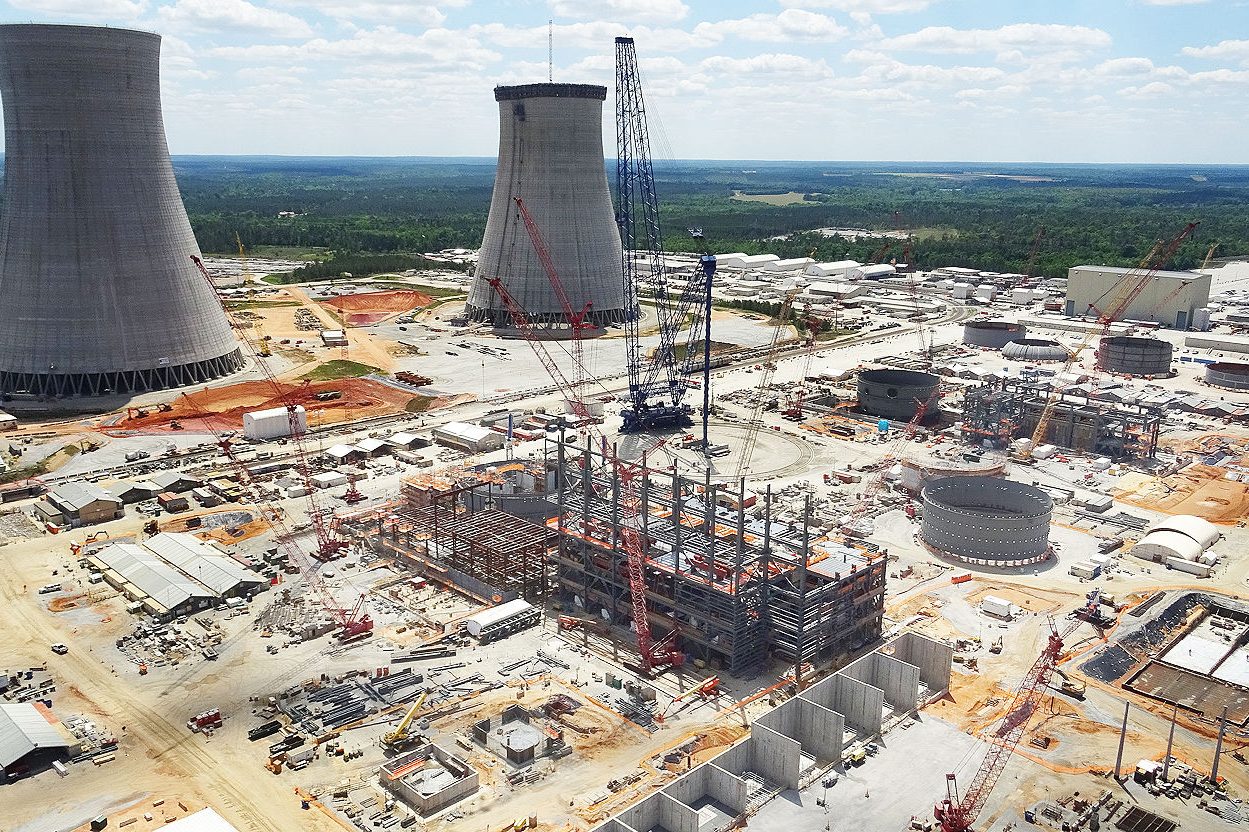
Customers have seen higher bills for a number of reasons – rising fuel costs, inflation and increased demand. But, energy justice advocates say the construction of the Southern Company’s Plant Vogtle, which was completed in May 2024, is the biggest driver.
Plant Vogtle is the largest generator of carbon-free nuclear energy in the U.S. It was built as the demand for electricity to support Georgia’s data center boom grows, and it’s expected to produce more than 30 million megawatt hours of electricity each year.
Patty Durand, a former PSC candidate and founder of Georgians for Affordable Energy, a non-profit seeking utility reform, said while Georgia Power customers were impacted the most, municipality utilities and EMCs were partners in the Plant Vogtle expansion and saw rate increases as well.
“All three utilities are impacted by Plant Vogtle, which is the most expensive power plant ever built on Earth, totaling $36 billion for one power plant, which is insane,” Durand said. “It’s abusive and exploitative.”
The Albany Herald spoke to Durand Monday, one day before she was arrested for the alleged theft of a Georgia Power document containing trade secrets during a commission meeting, Tuesday.
The meeting was a part of PSC proceedings, which were held to consider a request from Georgia Power to add nearly 10,000 megawatts to the state’s power grid. About 60% of the energy requested would come from expanding or building new gas plants, while 40% would come from renewable energy.
Durand said current PSC commissioners looked past more affordable options over building Plant Vogtle, neglecting to protect Georgia’s utilities customers from rate spikes.
“Every state creates a commission to regulate that monopoly to make sure they don’t exploit and abuse customers,” she said. “In Georgia, it is a failure. So that’s what’s at stake is electing commissioners who will prioritize people’s ability to afford to live in their home versus Georgia Power’s profits.”
Morgan and the nonpartisan 9to5 team is focused on educating voters about the PSC election and empowering utilities customers in general. He said utilities became a hot topic for 9to5 once they saw Georgians, especially those in Morgan’s focus area of southwest Georgia, were struggling to pay their bills.
“It’s becoming a high burden for families in this region who are already living in poverty and even folks who are working middle class,” Morgan said. “They have to decide or come up with various ways of paying bills. Families will find a way to pay that $700 bill just to keep lights on, it just might mean they do not have a cell phone for a few weeks.”
Morgan has spent the weeks leading up to the election knocking on doors and educating voters on municipal races as well as how the PSC might impact them.
“The Public Service Commission has chosen to give corporations like Southern Company breaks where they may only pay a portion and the rest of that portion slips and falls onto the ratepayer,” he said.
9to5 has been co-hosting a virtual PSC information session each Monday night leading up to the election.
Morgan said he feels local awareness surrounding utility bills in the Albany area has increased, especially as city leaders host town hall meetings to educate customers about their bills and energy saving methods.
Albany VI Commissioner Diana Brown, who has advocated for economic justice regarding utility billing in southwest Georgia for a decade, said she’s also been emphasizing the importance of the PSC election to constituents. She said boards who control rates, including the PSC or Albany Utility Board, need to do more to give back to constituents, especially when it comes to utility rebates.
“That money should go to constituents that pay those high utilities,” Brown said.
Albany’s City Commission is currently considering a potential utilities rebate for seniors.
Early voting is ongoing for the Nov. 4 election, ending Oct. 31.
Morgan encouraged voters to enter the polls informed, having researched candidates and voter guides.
“One question that we hope they ask as they are going to the polls, ‘what policies are you all supporting to lower utility bills,'” he said. “We want voters to feel confident as they are doing their research, and most importantly that they participate in every election.”
Author

Related Articles

Voters will decide on Dougherty County Commision District 4 in Nov. 3 election
Only one competitive Dougherty County Commission race remains to be decided on Nov. 3. Democratic challenger Anthony Patterson is the challenger for incumbent Republican Russell Gray in District 4.
Lee commissioners adopt 29.71-mill tax levy, including school bond payments
Lee County commissioners adopted a combined county and school property tax rate of 29.71 mills Monday, formalizing a levy that includes 17.96 mills for school operations and a separate 0.58-mill charge to repay school bonds.
PHOTOS: Albany State and Phoebe Ceremony
Click the arrow to scroll through the images.
