
LISA KELLY: Georgia GOAL is positively transforming lives and communities
Lisa Kelly
It has been over six years since the Georgia General Assembly passed groundbreaking legislation that enables Georgia citizens to support parents who, for a variety of reasons, desire to send their children to private K-12 schools. The results have been nothing short of amazing, with thousands of low- and middle-income families from throughout the state being able to enjoy the same choices that more affluent families have been making for their children for decades.
As president of the Georgia GOAL Scholarship Program, the state’s largest student scholarship organization (SSO), I have witnessed how, by offering taxpayers a Georgia income tax credit for making charitable contributions to SSOs, Georgia legislators are transforming the delivery of K-12 education. In Georgia and nationally, we are moving from a “one-size-fits-all” approach to one that respects the desire of parents to choose from among traditional public school, public charter school, private school, online or “blended” learning, and homeschooling options.
Angela Graham was seeking a positive environment for her daughter. In 2013, she enrolled her in Deerfield-Windsor School where the focus is on achieving high academic goals.
“I wanted my daughter to be surrounded by positive role models to help pave her future. I believe I made a great choice in schools. I have seen such a difference in Lauren in many ways,” said Angela Graham. She is thankful for the opportunity to give her daughter a great education.
Graham’s 10th-grade daughter, Lauren, is among nearly 8,200 children to whom the Georgia GOAL has awarded scholarships under the Georgia Education Expense Credit law. Since inception, GOAL has awarded 50 percent of its scholarships to families with a federal adjusted gross income, or AGI, of less than $24,000 and 90 percent of its scholarships to families with an AGI of less than $48,000.
Meanwhile, many private schools participating in the program appreciate the positive impact of having a more socio-economically, racial, and ethnically diverse student population.
“GOAL has enabled us to extend our tuition assistance resources and to bring more outstanding students into our school community,” said Dave Davies, headmaster of Deerfield-Windsor School, a private school in Albany. “We are enriched by their perspectives, and the additional students enable us to expand our academic and extracurricular offerings. In addition, the program has enabled many DWS supporters to help students without any impact on their personal finances.”
Enacted in 2008 with an annual cap on available tax credits of $50 million, the K-12 tuition tax credit program is also extremely popular with individual and corporate taxpayers, who, for the past two years, have been lining up well in advance of the annual Jan. 1 starting date for making their contributions. In fact, in 2014, the annual cap, which legislators increased to $58 million in 2013, was reached in just three weeks. It is anticipated that the 2015 cap could be reached in a matter of days.
Because of several important amendments made to the law that enhanced the tax credit program’s transparency and accountability, many legislators are prepared to consider significantly increasing the annual cap on tax credits so that even more parents can have the freedom to choose the best educational model for their children. To date, approximately 12,500 Georgians have signed GOAL’s 2015 “Raise the Cap” petition expressing their support for a significant cap increase.
Lisa Kelly is the president of Georgia GOAL Scholarship Program Inc., which is located in Sandy Springs.
Related Articles
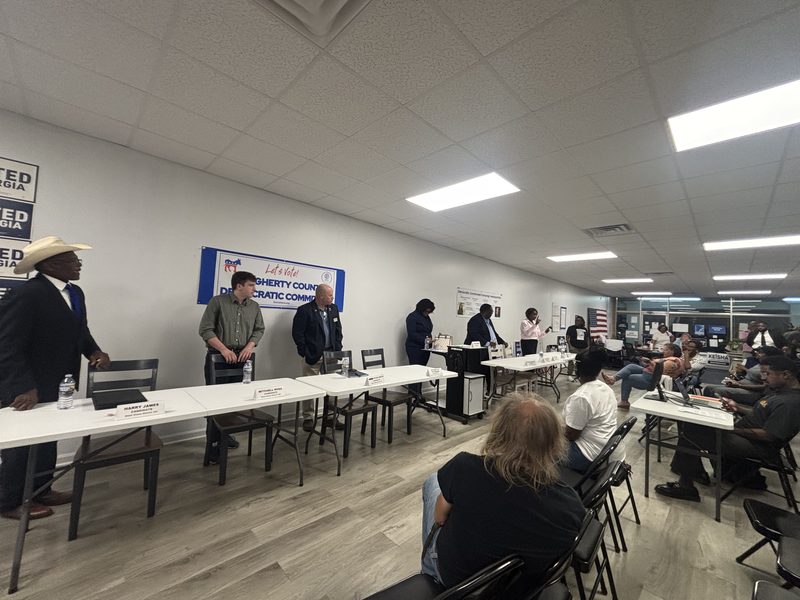
Candidates debate health care, development, rural investment at Albany forum
Candidates seeking to represent Southwest Georgia called for greater investment in health care, education and infrastructure during an Oct. 1 forum, but differed over data centers, economic development and how to work across party lines.

Former Dougherty Commissioner Harry James challenges ‘dean of legislature,’ Gerald Greene
Georgia voters go to the polls on Nov. 3.Among the state House races on the ballot in southwest Georgia is District 154, where incumbent Republican Gerald Greene will face Democratic nominee Harry James.
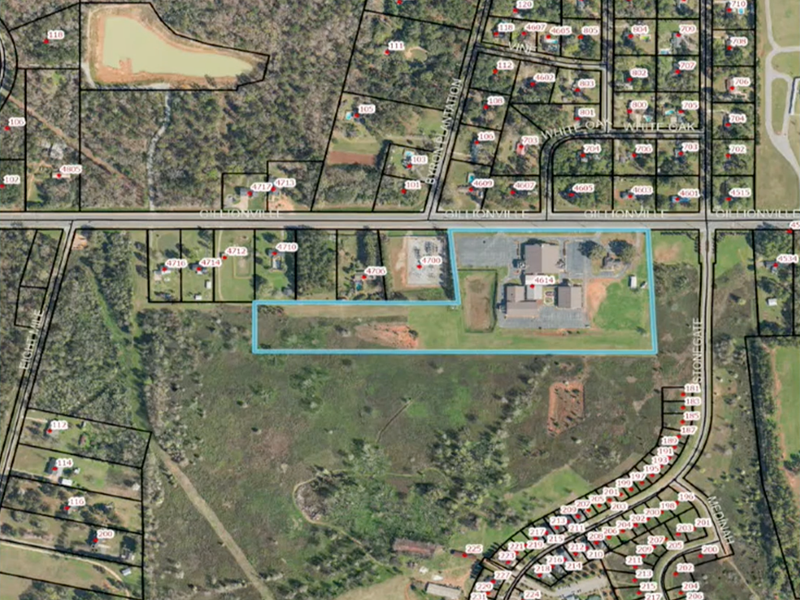
County approves 198-foot Gillionville Road cell tower; no speakers at public hearing
Dougherty County commissioners unanimously approved a 198-foot cell tower behind a church on Gillionville Road, with no one speaking for or against it at the public hearing.
