
Albany Humane Society brings ‘TNR’ to Albany
Trap Neuter Return program expected to decrease feral cat population
By Gypsy Crow
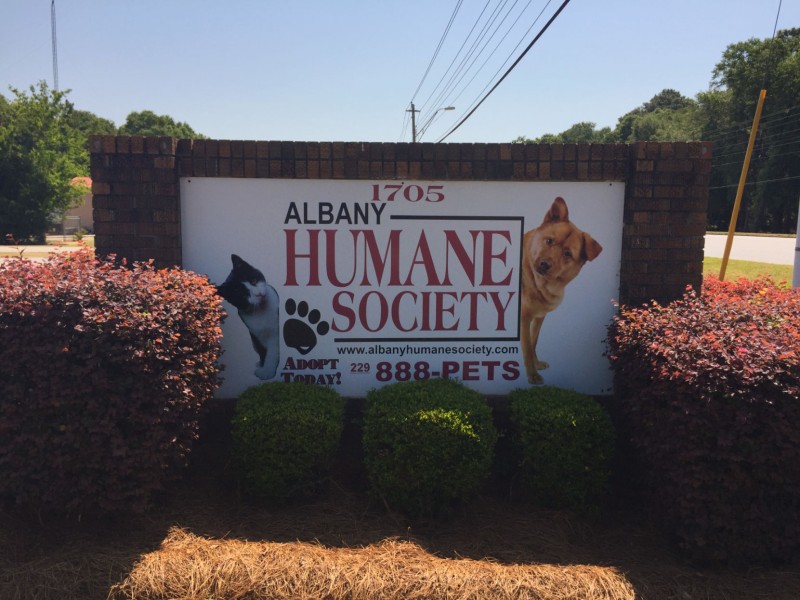
ALBANY — Dougherty and the surrounding counties are plagued by an overpopulation of cats that are multiplying at an alarming rate. But there are individuals and organizations who are devising a plan to do something about it.
Jonathan Sizemore of the Albany Humane Society, Mitch Aultman of Cat Nappers and Tamara Piercely, a Dougherty County Animal Control officer, have been working together to bring “Trap, Neuter and Return” to Dougherty County.
Trap, Neuter and Return, or TNR, is an effective and humane way to curb the overpopulation of cats. In TNR, cats are trapped, fixed, vaccinated and returned to their colonies to live out their lives. TNR prevents stray cats from breeding and prevents the spread of diseases among strays and to household pets.
In the month of May alone, the Albany Humane Society had more than 200 kittens brought to the shelter. Ninety percent of cats brought to the shelter at this rate are euthanized. Euthanizing the cats does not fix the problem; all it does is free up more space for the shelter, which is then filled again by the cats that are overbreeding.
“We’re working constantly to become a ‘no-kill’ shelter, but what we really need is a ‘no-kill’ community,” Sizemore said. “A community that comes together and agrees that it’s not cool to kill these animals. We need the community to support us, and we need the community to support itself in a no-kill effort. It starts here with us, but it has to encompass our entire community. We have to have the support of our city leaders, and I don’t think anybody wants to say ‘Yeah, let’s kill them all.’ But they worry about the funding and the changing legal aspects of what we would have to do.”
Dougherty County is capable of working together to fix this problem as a community, officials say. This is not a matter of calling animal control whenever an individual sees a colony of stray cats, but it is a matter of working with the Humane Society or with Cat Nappers to catch, neuter and return these cats safely. Where Albany Animal Control officers can pick up stray cats, Dougherty County Animal Control officers are not authorized to do anything about the cat problem.
According to Sizemore, when a cat is removed from its colony and not returned, it creates an endless vacuum effect in which another fertile cat takes its place. Alternatively, returning a neutered cat to its home environment prevents that hole from opening. New cats do not search for sterile colonies. By neutering the entire colony through TNR, the colony has no way to expand or multiple unless someone leaves behind one of their own cats.
Aultman said Cat Nappers had to take over a colony that another person was taking care of because that person ran out of resources.
“There were at least 25 when I began, and now it is down to one cat after all this time because when all the cats are fixed, other cats don’t really come in (to the colony) and they just naturally die off,” he said. “There’s three there now because around the apartment buildings somebody obviously left the cat and, they have shown up, and of course I’ll get those fixed too so there won’t be any babies.”
“For some reason that I don’t understand, people don’t seem to value cats as pets as much as they do dogs,” Piercely said. “Now, I don’t know if it’s because of this, but I think it might have something to do with cats being independent and a little more self-sufficient. They are dependent on people, so if you think, ‘We’ve got to move, we’re going to take the dog with us, but the cat he’ll be okay, he’ll be alright,’ they won’t be alright. But people seem to think that it’s more okay to leave a cat behind than a dog.”
Sizemore, Aultman and Piercely all said that the people of Dougherty County need to take responsibility for their animals. The first step is to not flood animal control with complaints about the cats but instead contact the shelter or Cat Nappers. AHS is currently preparing to train people who want to volunteer to be apart of TNR by trapping and transport. AHS is even starting a Facebook group for volunteers. Local vets are needed to jump on board with TNR in Albany to reduce the costs of spay and neuter procedures. Through grants and donations, the procedures done through the AHS are free of cost.
Trapping takes time and effort, but the more people who participate in TNR, the less the problem will be and the more beneficial it will be to the cats in the area. For more information on TNR requirements or any questions, contact Xavier Smith and the Albany Humane Society at [email protected] or call (229) 888-7387.
Related Articles
Dawson City Council addresses budget, fire fee, wastewater spending
The City of Dawson will enter new fiscal year without adopted budget as council considers creating a new fire assessment and approves wastewater equipment, K-9 agreement
Dougherty County assistant county manager declines top position in Harris County
“It is a beautiful community. I was thankful that they thought of me. They offered, but it didn’t come through in the end.”
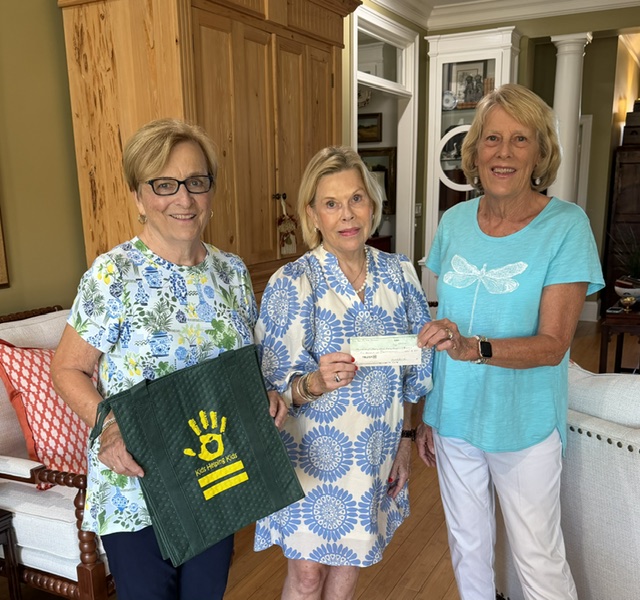
Helping Hands to serve 1,100 Dougherty families weekly with help from Paula Deen foundation
Paula Deen’s Bag Lady Foundation has donated money to Helping Hands Ending Hunger, providing enough funding for about 1,100 cooler bags as the Dougherty County School System program begins another year of getting unused school food into the homes of local families.
