
Albany Humane Society works to become a ‘no kill’ shelter
Albany Humane Society improving conditions, quality of life for animals
By Gypsy Crow
ALBANY — The Albany Humane Society officials said they have been working nonstop to improve their reputation with the community as a place that was once closed off, overcrowded and detrimental to the animals who lived inside, and that it is aiming to become a “no kill” shelter.
Last year, Target Zero came to the Albany Humane Society to evaluate the conditions and found the conditions unsuitable for the sheltered animals. When Jonathan Sizemore took over as director, he lead a complete overall of their entire operation.
The major goal the Albany Humane Society is to become a “no kill shelter” which entails that animal euthanization is reduced down to 10 percent. This means of the average 250 animals taken in each month, at least 225 of them must be adopted out or fostered, transferred to a different no kill shelter or returned to their owners.
Officials said the keys to a shelter becoming classified as “no kill” are increased adoption rates, improved quality of life and transferring pets to other no kill shelters in the state and or region to prevent the shelter from becoming over capacity.
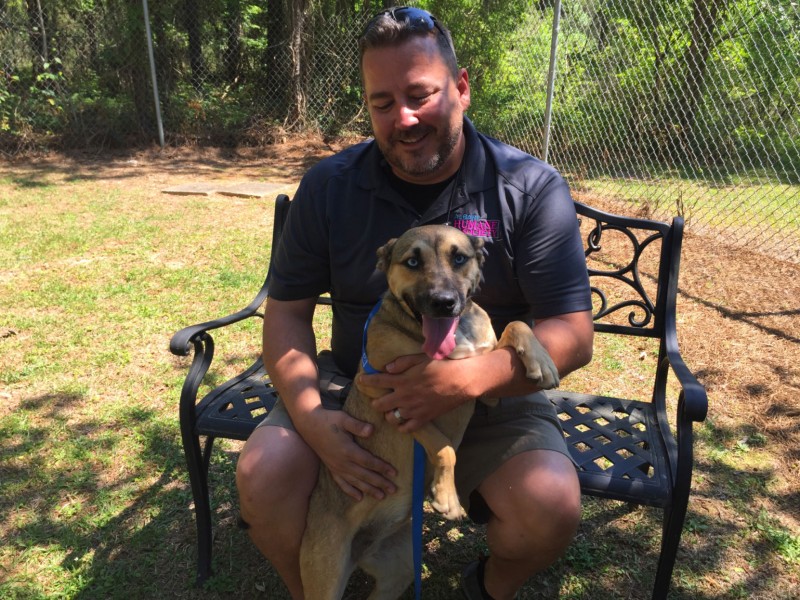
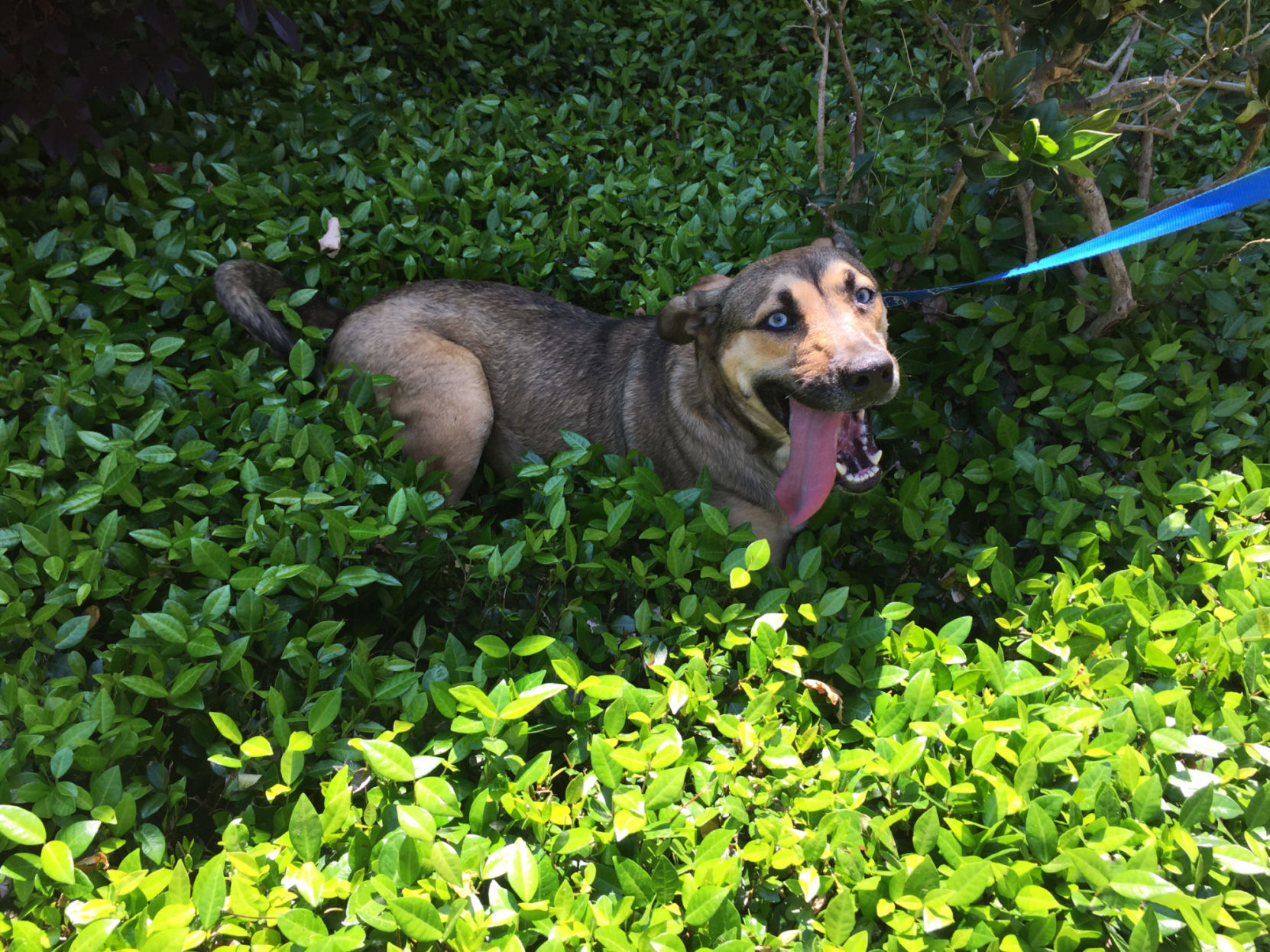
The shelter’s officials said its adoption rates have skyrocketed. Previously there roughly 15 to 21 dogs a month being adopted, and last month, Sizemore said, a total of 72 dogs were adopted — and 101 the month before. As part of this, the Humane Society has been reaching out to the community more with adoption events every week to get animals homes.
Officials said quality of life is improved first and foremost by the food. Previously, the animals were fed entirely by donated foods regardless of the quality which was then mixed together and changed so frequently that the dogs remained sick and experienced digestive discomfort. Now the Humane Society has partnered with Hill’s Science to provide higher quality food to all of the animals.
Other ways are that the quality of life has improved, officials said, is through the increase in volunteers and immediate vaccination upon arrival. The animals are constantly receiving fresh air, human contact and exercise. Each animal also goes to the adoption events and is paired with a volunteer.
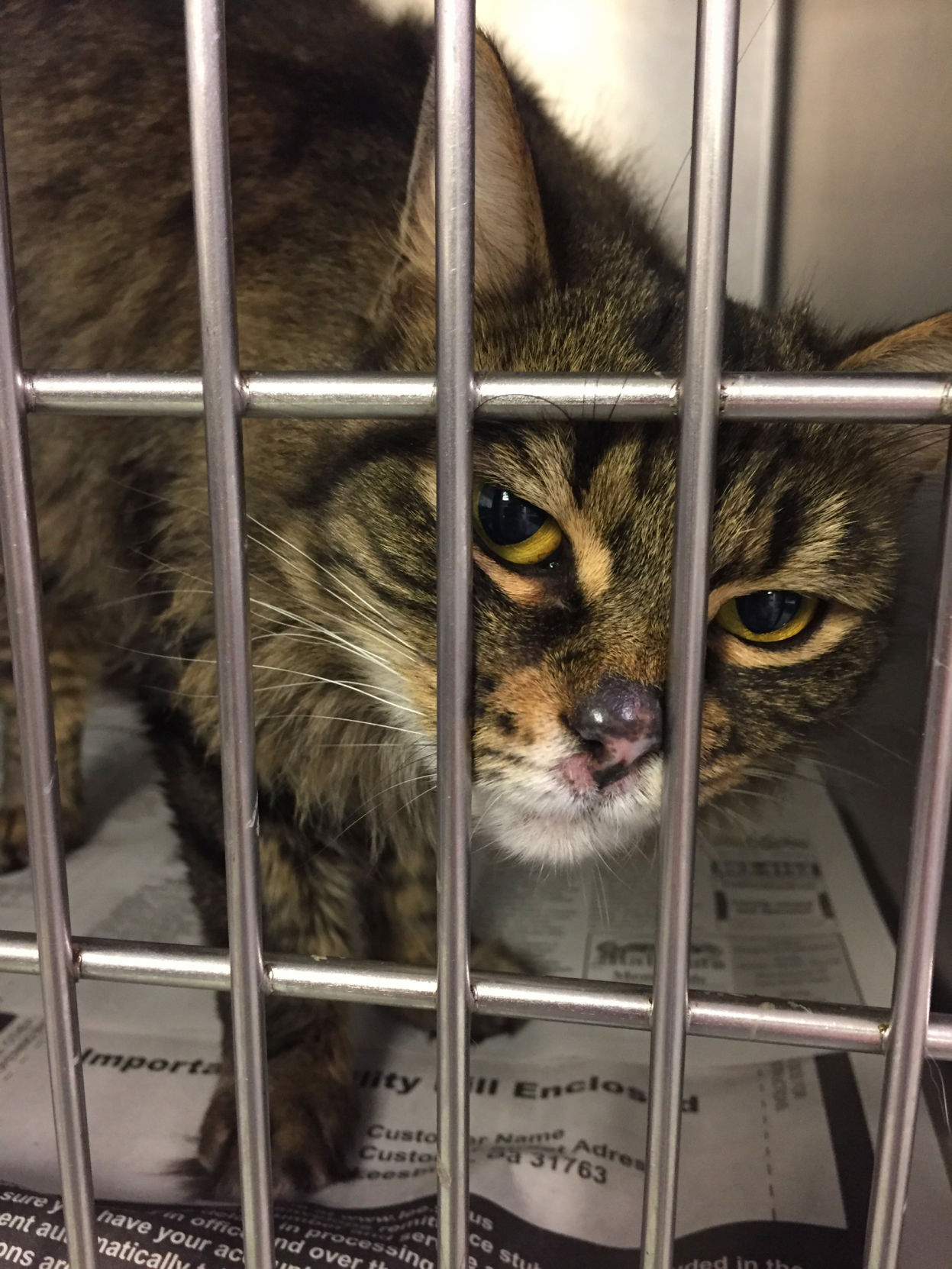
To prevent the shelter from being over capacity, to avoid euthanization, pets need to be transferred to other shelters. Albany has a stray cat problem, so the mass amount of feral cats roaming Dougherty County that are filling up the shelter faster than can be adopted out. Officials said Trap Neuter Return is doing their best at controlling the problem, but resources are limited.
The Humane Society is trying to create their own community cat program in Dougherty County that will require help from the community to accomplish. Right now, the shelter has waved the adoption fees until Sunday for their cats who need a good home to go to.
“What’s driving this is that we can see the results. It’s working,” Sizemore said on the new-found success of the shelter.
The Albany Humane Society is now aligned with Best Friends Humane Society, as whose goal is for the entire country to adopt no kill standards for all shelters by 2025. Sizemore says that it is possible for Dougherty County to achieve this as well.
Related Articles
Albany Summer youth program reports more than 2,000 participants
“The Albany Summer Collaborative is by far one of the best summer programs I’ve witnessed. In three months you reached 2,000 students. That’s incredible.
What you can’t see can hurt you. Albany embarks on water main replacement project to address aging system
“At some point you have to stop kicking the can downt the road. We don’t want the state to say ‘You have to do this.'”
In Leesburg, stewardship is the quiet engine of good government
In an era when stories of government often center on budget shortfalls, cost overruns and questions of accountability, examples of stewardship rarely make headlines.
