
Distracted drivers, pedestrians lead to pedestrian death increase
Pedestrian deaths on highways have become a priority national concern
From Staff Reports
WASHINGTON, D.C. — The Governors Highway Safety Association projects an 11 percent increase in the number of persons on foot killed on U.S. roadways last year, compared to 2015. This would represent the steepest year-to-year increase since record-keeping began, both in terms of number of deaths and percent increase.
GHSA’s annual Spotlight on Highway Safety offers a first look at state-by-state trends in pedestrian traffic fatalities for 2016, using preliminary data provided by all 50 State Highway Safety Offices and the District of Columbia. The report was authored by Richard Retting of Sam Schwartz Transportation Consultants.
“This is the second year in a row that we have seen unprecedented increases in pedestrian fatalities, which is both sad and alarming,” said Retting. “From 2014 to 2015, the number of pedestrian deaths spiked more than 9 percent. It is critical that the highway safety community understand these disturbing statistics and work to aggressively implement effective countermeasures. The information in this report will help states and localities pursue engineering, enforcement and education solutions to reverse this trend.”
States reported 2,660 pedestrian fatalities for the first six months of 2016, compared to 2,486 deaths during the same time period in the previous year. Adjusting for underreporting and past full-year data trends, GHSA estimates an 11 percent rise in pedestrian fatalities from 2015 to 2016. Compared to 2014, the number of pedestrians killed in 2016 increased by 22 percent. Pedestrians account for approximately 15 percent of all motor vehicle deaths.
More than twice as many states reported an uptick in pedestrian fatalities in the first six months of 2016 than had decreasing numbers. Thirty-four states saw an increase, while 15 states and the District of Columbia reported decreases, and one state had no change.
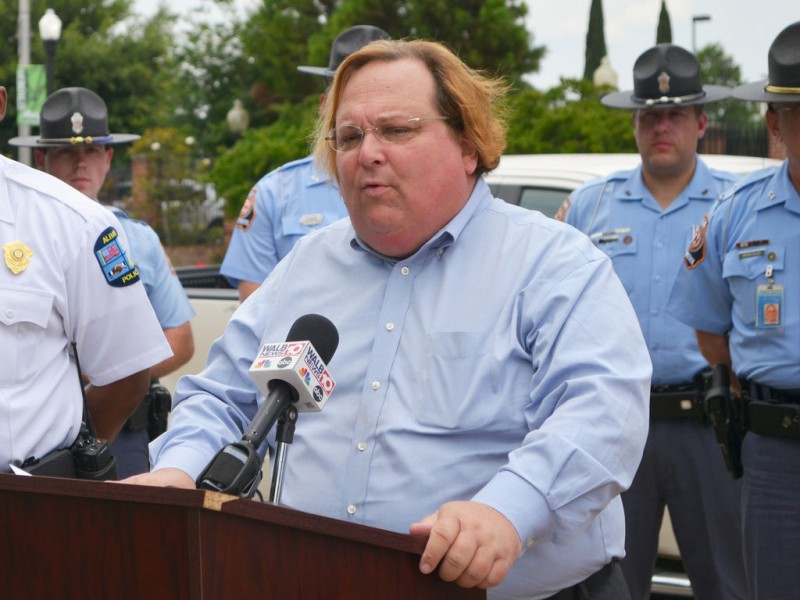
Harris Blackwood, the director of the Georgia Governor’s Highway Safety Association, said blame for the increase in deaths outlined in Retting’s report is shared.
“There is a little bit of blame on both sides. Sometimes there are distracted walkers who are engaged on their phones, and sometimes there are distracted drivers who are engaged on their phones,” Blackwood said. “They don’t see each other one way or another, and we end up with a lot of people being injured and, as of today, 53 (pedestrian deaths in 2017 in Georgia) being killed.
“The thing you can do is pay attention. If you are driving, pay attention. You know the places where there are walkers. Pay attention. We see so many people who are distracted. We see people who skid up to the crosswalk because they see people in it. Under Georgia law, that person in the crosswalk has the right of way. Sometimes people will not go 20 or 50 yards down the street to a crosswalk and will cross five, six, seven lanes of traffic, sometimes with a child in their hands or sometimes with groceries or other things. We see people get hit and, unfortunately, we see too many people get killed.”
There are many possible factors contributing to the nationwide spike in pedestrian deaths. As economic conditions improve and gas prices remain low, the U.S. has seen an increase in motor vehicle miles traveled. At the same time, a growing number of Americans are choosing to travel by foot for health, transportation, economic or environmental reasons. Another potential factor is a sharp rise in the use of smartphones to send and receive multimedia messages, a frequent source of mental and visual distraction for both walkers and drivers.
“Everyone walks, and we want to encourage that, but at the same time we want to make sure that we all get to our destinations safely,” said Jonathan Adkins, GHSA’s executive director. “Unfortunately, this latest data shows that the U.S. is not meeting the mark on keeping pedestrians safe on our roadways. Every one of these lives represents a loved one not coming home tonight, which is absolutely unacceptable.”
GHSA also asked its state members, which are responsible for addressing behavioral safety, to provide examples of their efforts to reduce pedestrian and motor vehicle collisions. Promising strategies include: high visibility enforcement and public information campaigns aimed at both motorists and pedestrians; identifying high-risk zones and conducting educational outreach in these areas; adoption of Complete Streets policies, which ensure streets are safe for all users regardless of mode, age and ability; and strategic partnerships with local universities and community organizations to advance pedestrian safety. State Highway Safety Offices also collaborate with state DOTs that are tasked with infrastructure improvements. The report provides specific examples of these efforts in 41 states and the District of Columbia.
Access the full report, including state-by-state data, at ghsa.org/resources/spotlight-peds17.
Related Articles
Brie’s Gift offers a helping hand for families affected by leukemia
“I think that would be beautiful. Brie loved her school, she loved her city. I think that would be wonderful.”
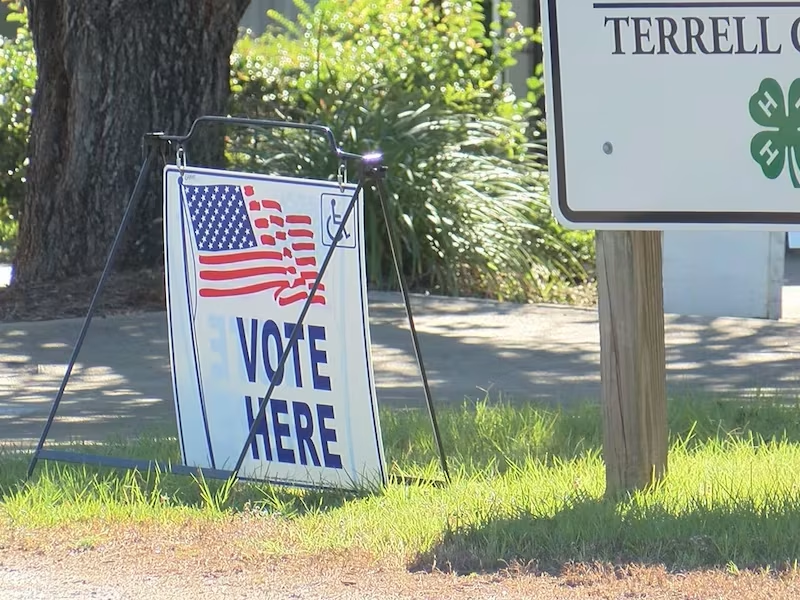
Who decides elections in Terrell County? Data show older voters dominate turnout as turnout declines
According to the Georgia Secretary of State, 1,731 of Terrell County’s 6,048 active registered voters cast ballots in the May primary, a turnout rate of 28.6%. Four weeks later, only 922 voters participated in the June 16 primary runoff, reducing turnout to 15.2%.
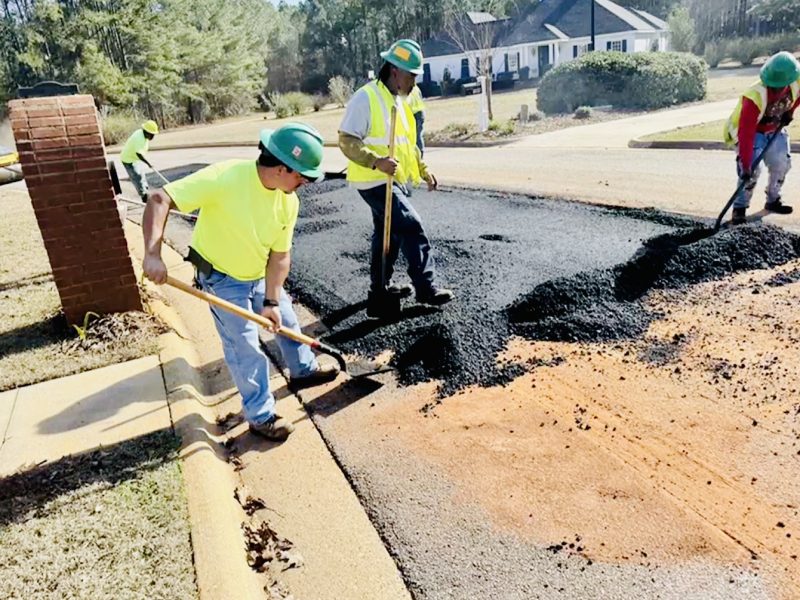
From Ledo to Coston, Lee County’s summer road projects are underway
Updates provided during recent meetings of the Lee County Board of Commissioners show projects are underway or scheduled to begin on several county roads, while additional transportation improvements funded through the Local Maintenance and Improvement Grant (LMIG) program and Transportation Special Purpose Local Option Sales Tax (T-SPLOST) are expected to begin shortly after the July Fourth holiday.
