
Georgia fire commissioner urges caution during holidays
Cooking and reheating leftovers often lead to house fires
From Staff Reports
ATLANTA –The aroma of food is a favorite memory of the holiday season, but Georgia’s fire commissioner is asking people to take precautions so that smoke and fires don’t spoil the festive season.
Insurance and Safety Fire Commissioner Ralph Hudgens said Georgians should be careful when cooking, especially when heating leftovers on the stove.
“Last year in Georgia, approximately 706 cooking-related fires occurred during November and December,” Hudgens said. “Many of these fires were caused by food left cooking unattended or the stove was accidentally left in the on position.
“If neglected, a stove can heat a pan to the point that the metal melts.”
So far in Georgia this year, 92 people have died in residential fires. The latest victim was Jordan Wilson, 29, who died Monday, according to a report Tuesday by the Atlanta Journal-Constitution.
Wilson was injured Sunday when a fire broke out in his Hall County home. Officials told the AJC that Wilson was near a gas container when an open flame ignited gas fumes.
Hudgens suggested a number of tips for cooking safety:
— Always set a timer when cooking, to prevent forgetting to turn off the burners or oven.
— If a pan catches fire, cover it with a lid immediately and turn off the burner.
— Don’t attempt to fight a grease fire with water, as it may make the fire worse.
— Wear tight-fitting sleeves when cooking. Loose clothing can contact a burner and ignite. If this happens, remember “stop, drop and roll”: Stop where you are, cover your face with your hands, and roll over to smother the flames.
— Never use a cooking stove to heat the home.
— Install an adequate number of smoke alarms. Most fatal fires start between 11 p.m. and 6 a.m., while the family is asleep. The warning of a smoke alarm can be the difference between life and death. Ninety percent of fire fatality victims are already dead before the fire department is called, mainly from inhalation of smoke and toxic gases.
— Each household should have a well-rehearsed family escape plan. All rooms, especially bedrooms, should have two escape routes. Have a predetermined meeting place outside the house to ensure everyone is out safely.
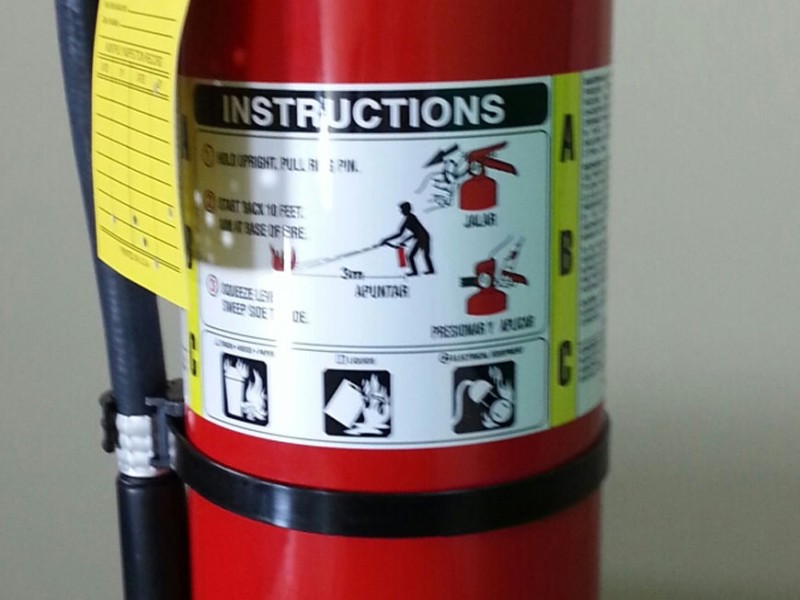
— Have a fire extinguisher readily available. The dry chemical kind of extinguisher is usually safe for both grease and electrical fires. If a small fire is caught in time, you may be able to put it out quickly.
— If the fire is too large for a residential fire extinguisher, exit the house and stay out. Do not go back inside. Call the fire department from a neighbor’s house.
Related Articles

James Rubino installed in new role at Marine Corps Logistics Command in Albany
James L. Rubino recently assumed the role as executive deputy of Marine Corps Logistics Command in Albany. In his new role he will oversee integrated logistics support.

Rain depresses voter turnout in Dougherty County
“A lot of people don’t vote when it’s raining. People don’t do a lot of things when it’s raining.”
City of Albany faces shortfall for police, fire salaries
“We can’t tell staff to hire more police officers and then complain at what it costs.”
