
Tift Regional Medical Center welcomes new director to develop residency programs
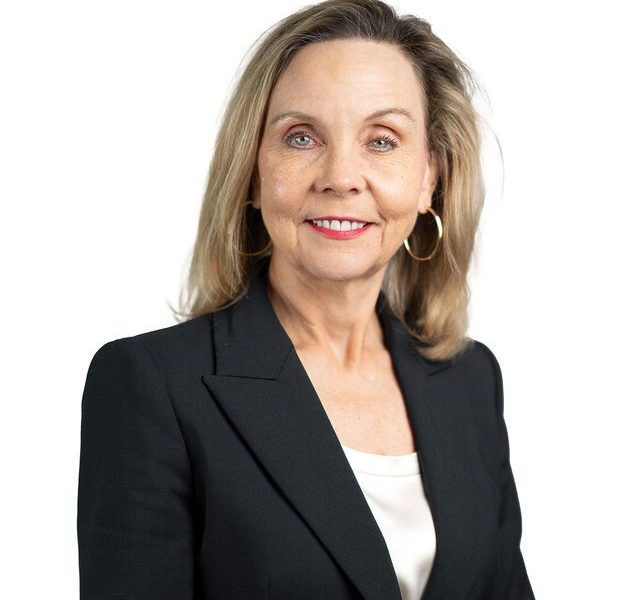
Dr. Kimberly Megow
Staff Reports
[email protected]
TIFTON – Tift Regional Medical Center announced that Dr. Kimberly Megow will serve as the hospital’s new director of Graduate Medical Education. Megow will be responsible for developing TRMC’s newinternal medicine and OB/GYN residency programs.
“We are excited to have Dr. Megow on board,” Christopher Dorman, president/CEO of TRMC and Southwell, said. “Tift Regional will be launching residency training programs in 2026, and Dr. Megow will be instrumental in getting these initiatives off the ground and providing administrative guidance and oversight.”
Megow earned her medical degree from the Medical College of Georgia in Augusta and followed with pediatric residency training at MCG. She also holds an MBA from UMass in Amherst, Mass.
With more than 33 years of clinical experience, Megow started her career as a practicing pediatrician in Valdosta. She later assumed various medical staff leadership and administrative positions with South Georgia Medical Center in Valdosta and HCA in Kansas City, Mo. and Corpus Christi, Texas.
“I am delighted to join the TRMC team,” Megow said. “These new internal medicine and OB/GYN residency programs will enhance quality of care and help strengthen physician recruitment, retention and patient coverage for the hospital.”
A residency program is a full-time, supervised clinical training program for new doctors, also known as residents, to develop the skills and experience to practice medicine independently.
Dorman said the new residency programs support TRMC’s culture of continuous learning and have numerous other benefits for the hospital and community.
“Residency programs will bring highly trained physicians into our community, increasing the availability of specialized care in underserved rural areas, while expanding access,” Dorman said. “Our patients can receive more comprehensive services locally, reducing transportation burdens and associated costs from having to travel outside of our communities for health care.”
Megow said rural areas frequently face physician shortages, especially in specialties like internal medicine and OB/GYN. Residency programs help mitigate this issue by producing new doctors who are prepared to serve rural populations. Residents trained in rural settings are often better equipped to understand the unique challenges of the population, from socioeconomic factors to specific health risks, fostering more culturally competent care.
Dr. Megow added that residency program graduates tend to settle near their former training institutions or in adjacent areas.
“Residency program graduates who practice near their training ground have established knowledge and pragmatic use of local and regional health care resources,” she said. “With residents working closely with attending physicians and patients, there’s an opportunity for stronger continuity of care, as residents become integrated into the local health care fabric.”
In addition to the residency training programs, TRMC announced it will work with PCOM in Moultrie to provide clinical rotations for medical students.
“TRMC already has clinical rotations established for students from other medical schools, but having this new, formalized affiliation is important because of PCOM’s close proximity as well as their dedication to enhancing healthcare in south Georgia,” Dorman said. “It is a mutually beneficial community partnership.”
Visit www.MySouthwell.com for more information on TRMC.
Author

Related Articles

Albany teen, 16, makes bodybuilding debut at Atlanta OCB Pro/Am
Crockett, an Albany resident and student at Albany Technical College Academy, placed second in the teen bikini division this weekend at the OCB Immortal Muscle Pro/Am Bodybuilding Competition in Atlanta, becoming the youngest competitor across all categories at the event.
Phoebe opens new urgent care clinic in Camilla
Phoebe Putney Health System has expanded its network of urgent care clinics by opening a new location in Camilla.
Colquitt Regional introduces new heart failure treatment
Colquitt Regional Medical Center recently announced a major advancement in its cardiac care services with the introduction of the biventricular implantable cardiac device (ICD)
