
Hope is available at Aspire’s Change Center
Addiction recovery support center staff share long-term recovery backgrounds
File Photo
By Carlton Fletcher
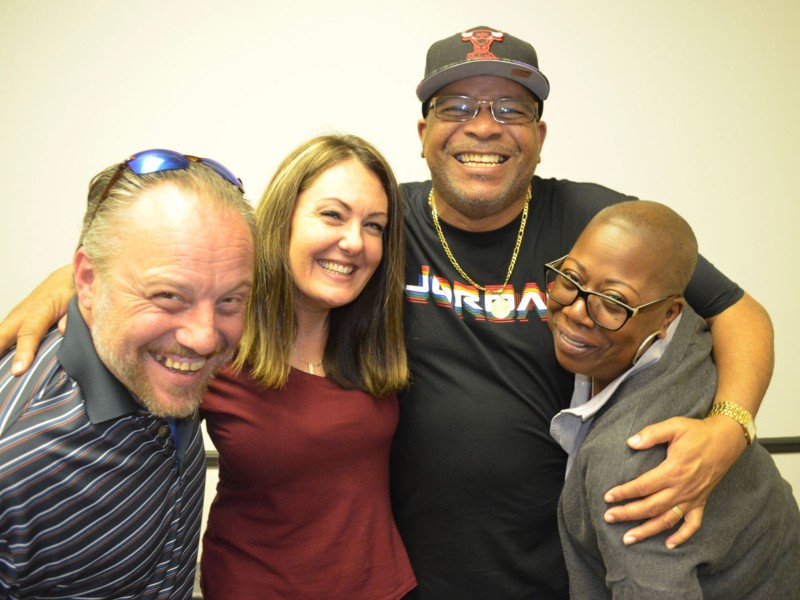
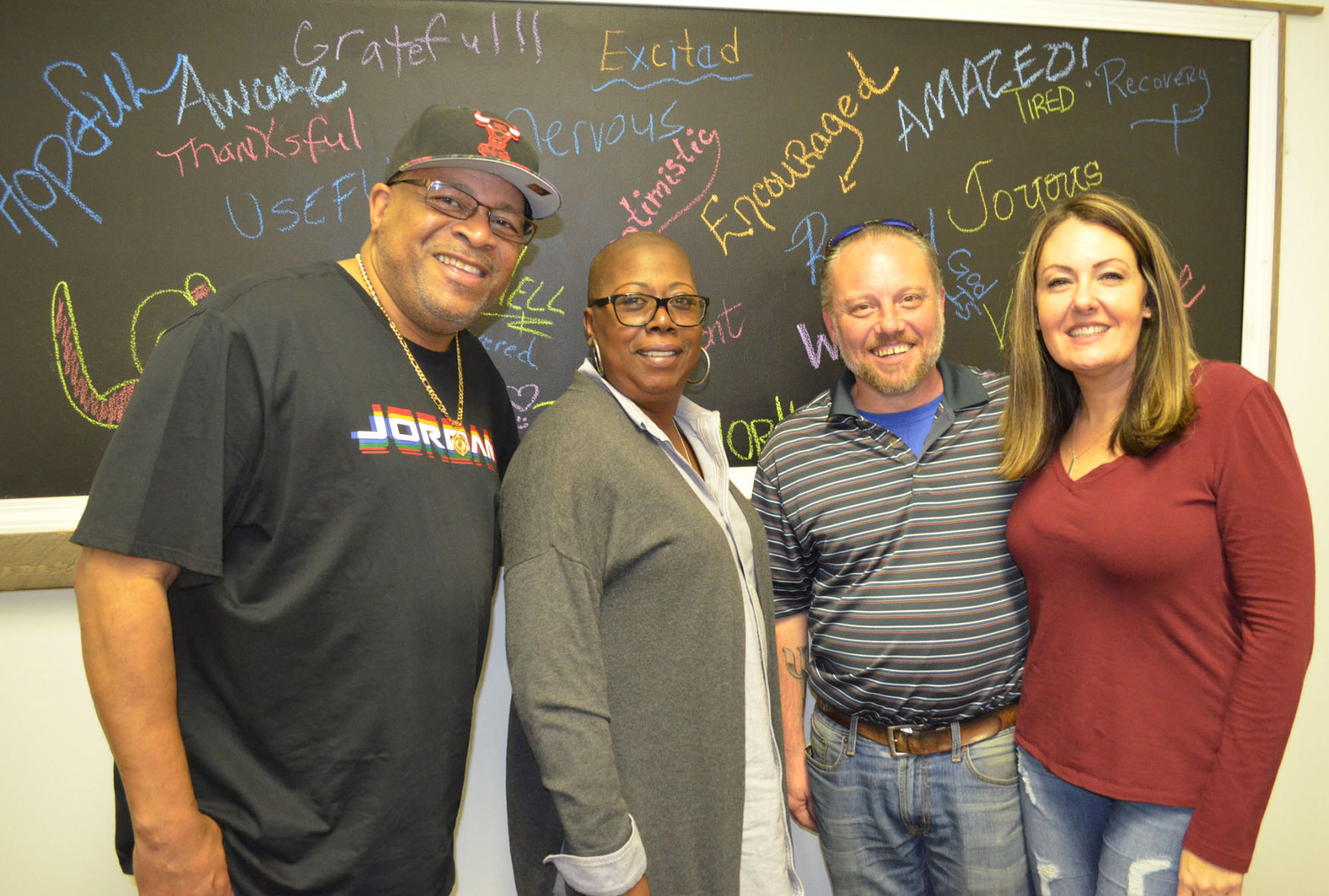
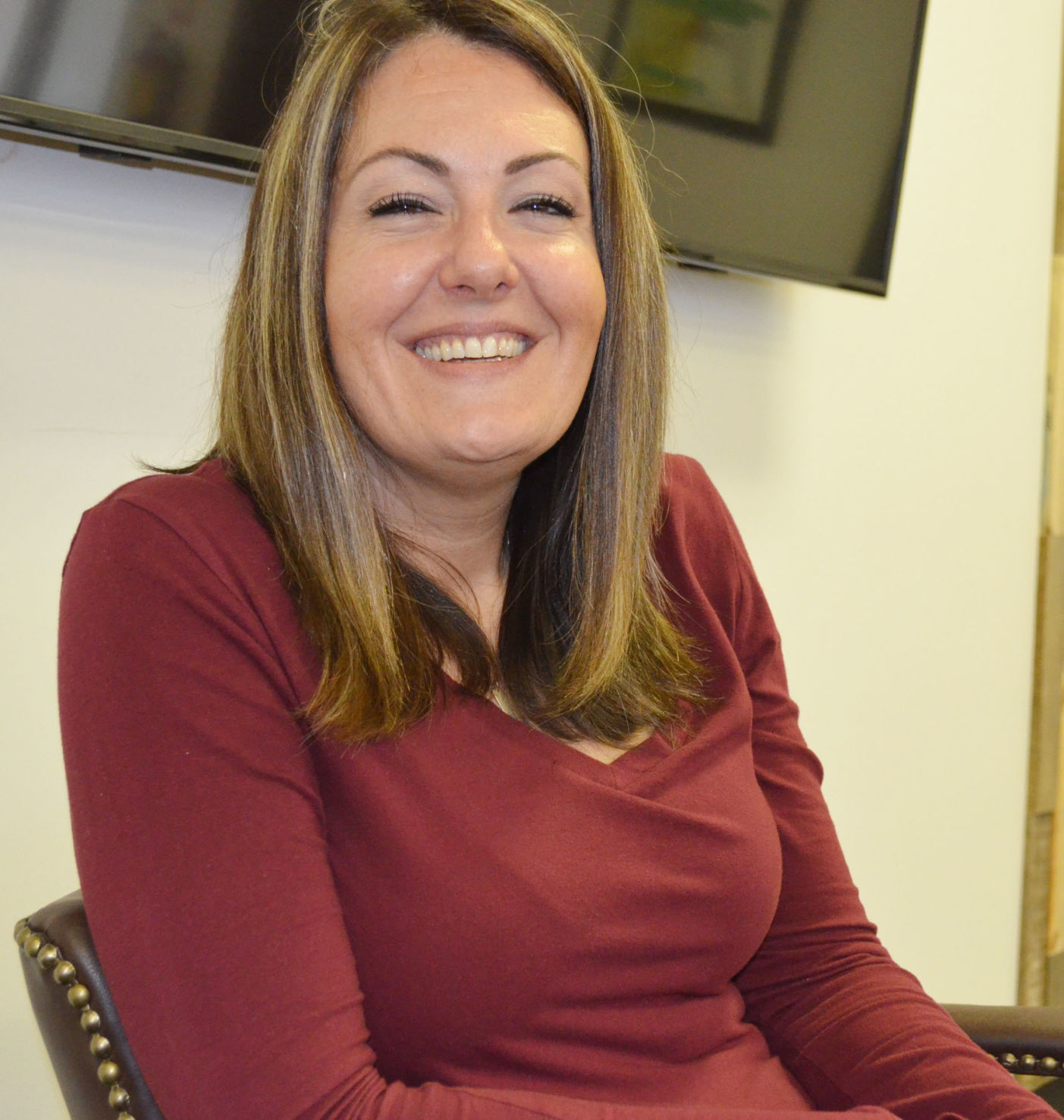
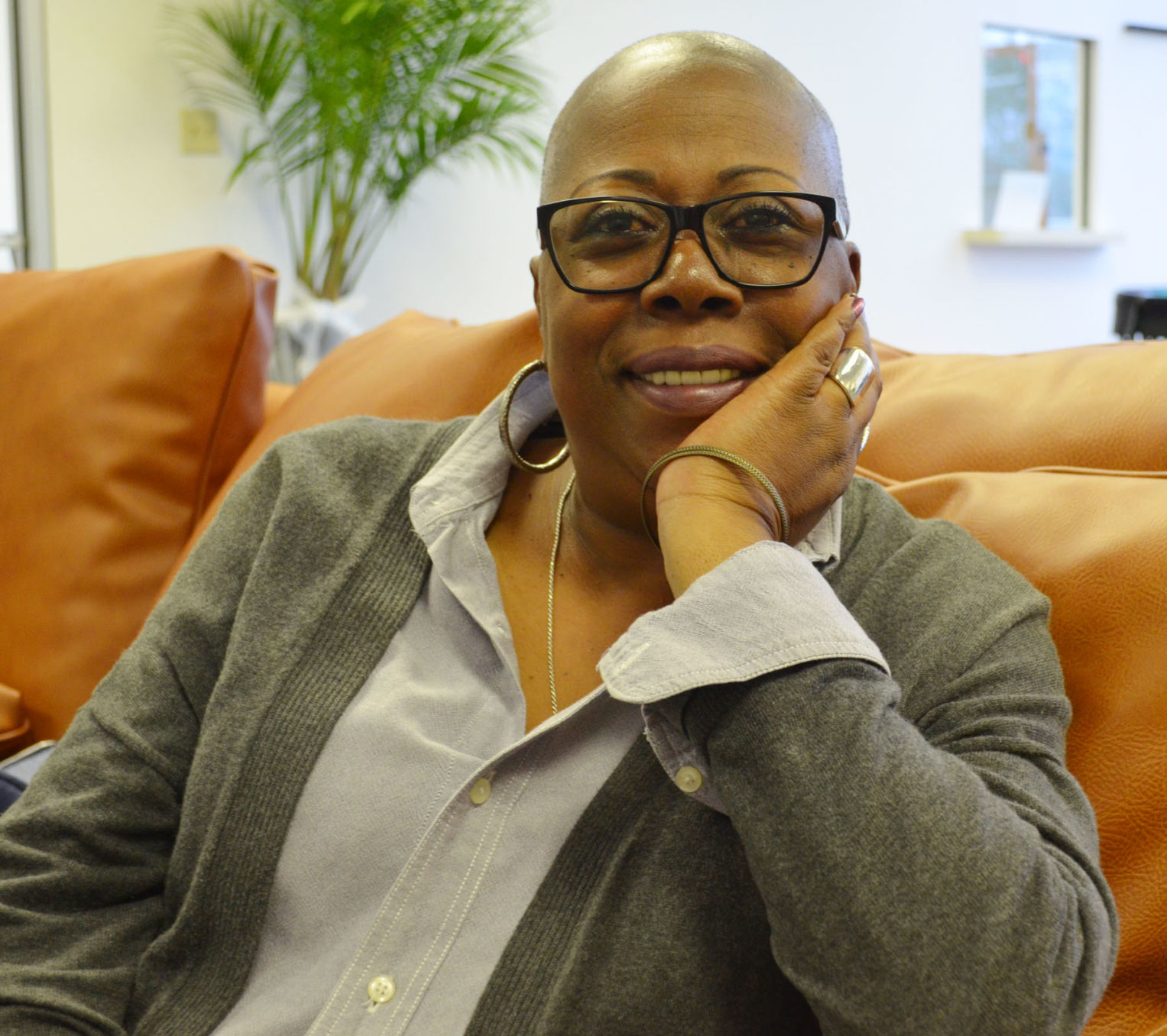
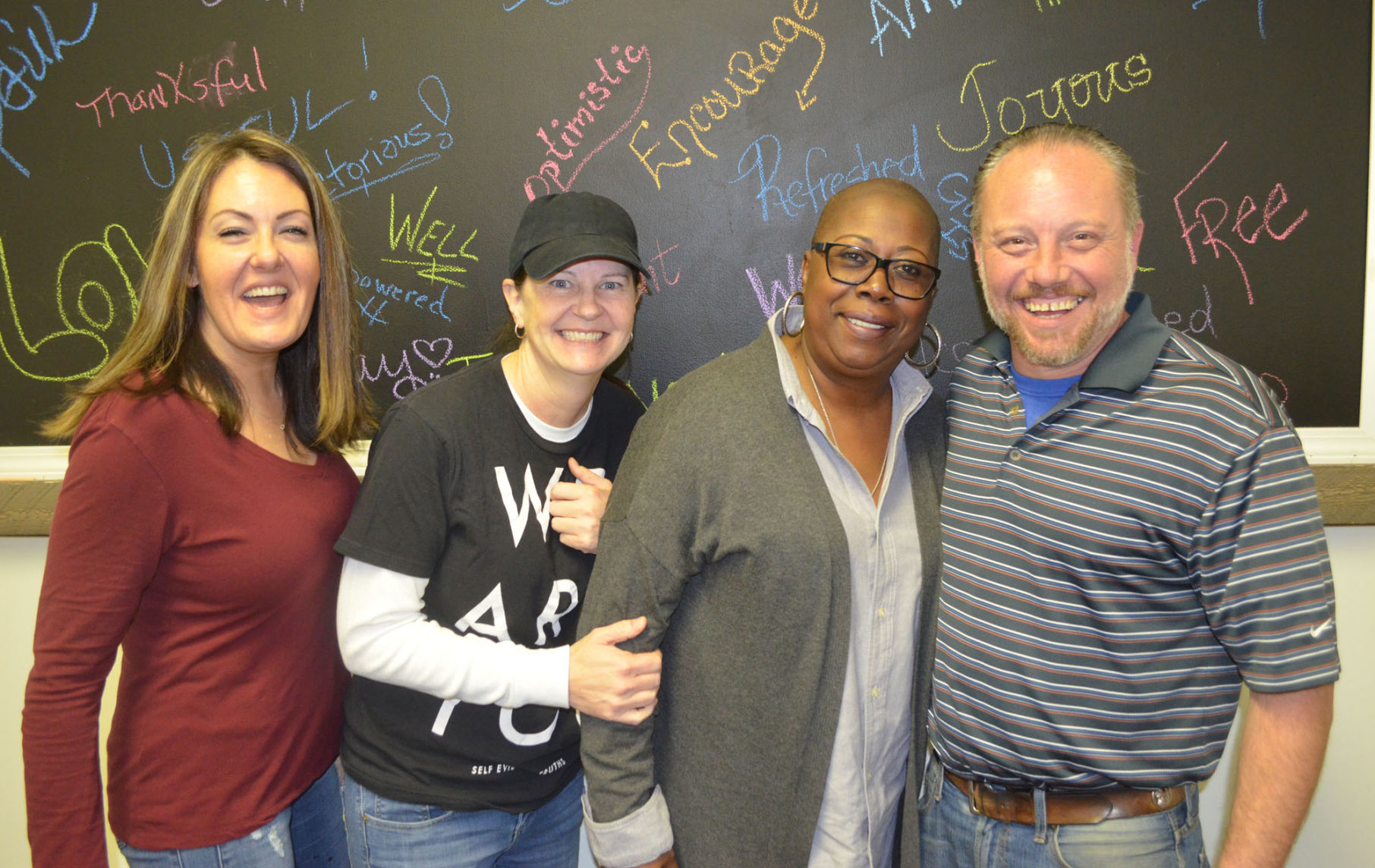
ALBANY — Michele Anduze is, generally, a private person. So are her colleagues at the Aspire Behavioral Health and Developmental Disability Services’ Change Center: Kathryn Newcomb, Daniel Fleuren and Deneral Campbell.
But when it comes to the stories of the four principles of the Change Center’s addictions and recoveries, Anduze says, “We live our recovery out loud.”
The Change Center opened at 500 Pine Ave. in downtown Albany last week, officially recognized as, according to center Director Newcomb, “A non-clinical safe space where people can initiate support or enhance their recovery journey.”
What it is to the “peers” who have already made the quaint building a regular stop-off on the road to recovery, though, is a Godsend.
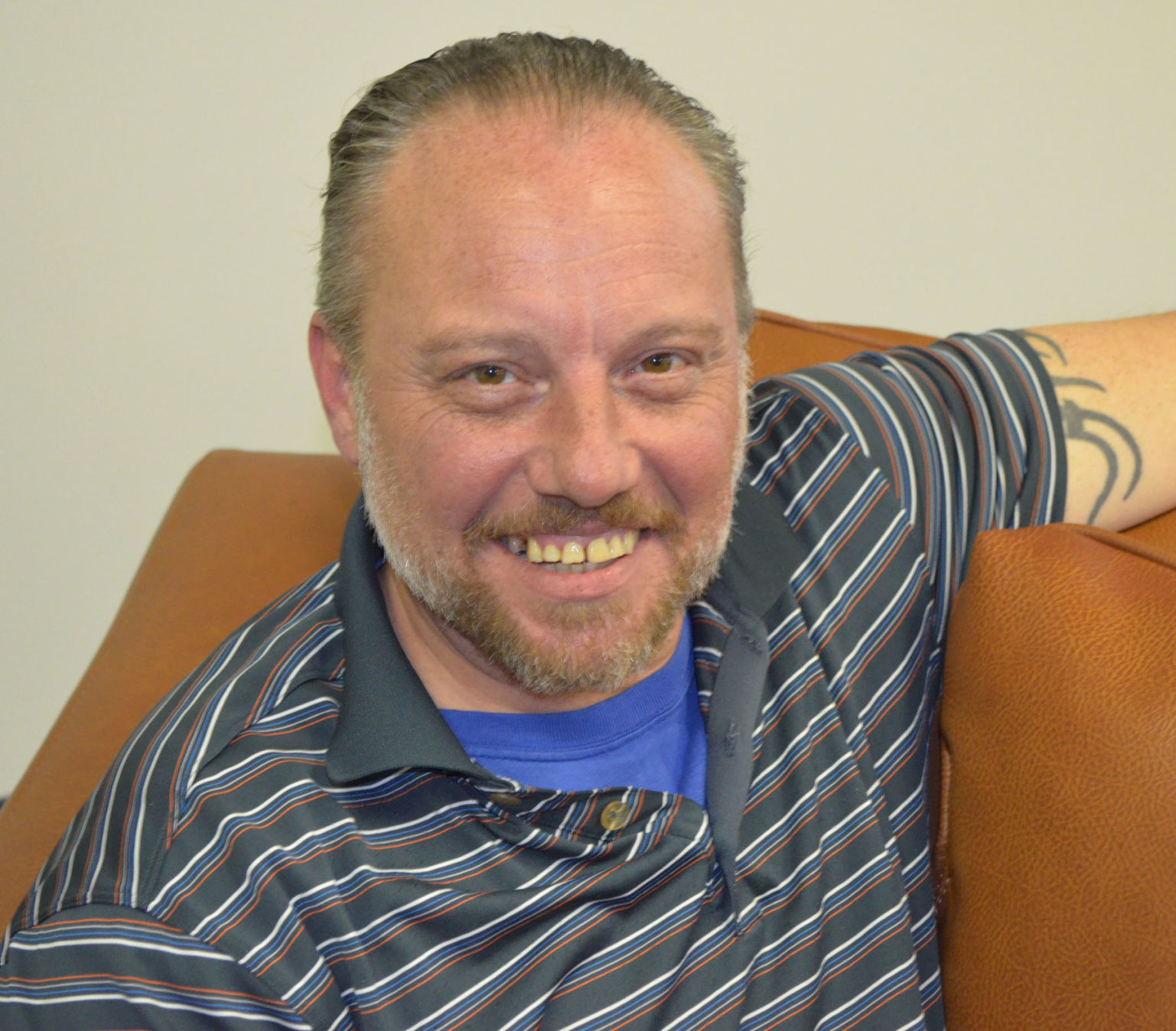
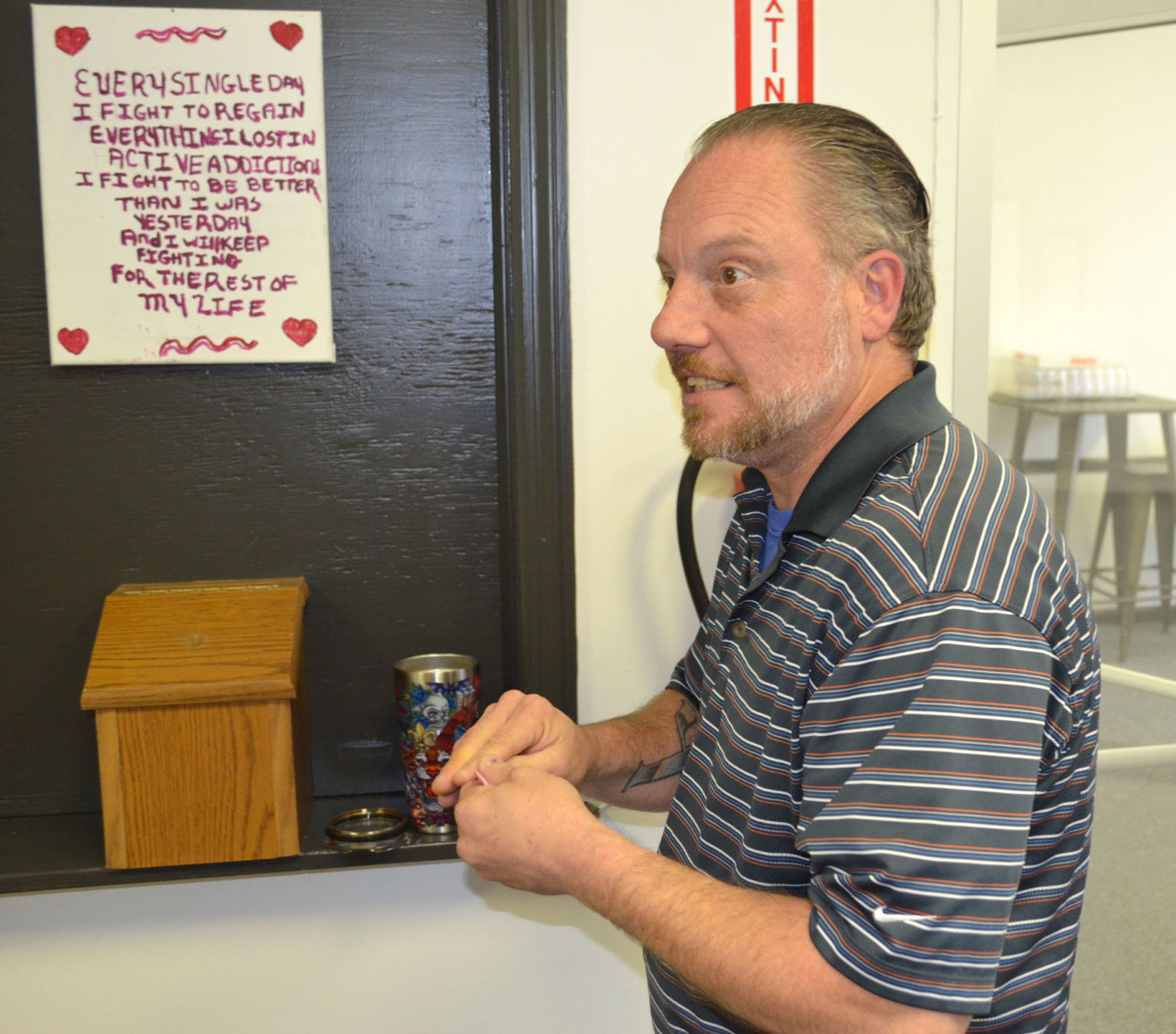
“There came a first time in my life, after a binge, that I confused fear and intimidation for love and respect,” Dave (no last name, please), a self-described “tough, tattooed, long-haired, ironworker,” said as he listened to the stories of the Change Center staff. “I don’t know when it was I crossed the line (to addiction), but I realized I didn’t want to live like that.
“I knew where to go, where there was a roomful of people just like me. The first day I was there, I listened to what was said and it made me want to come back for a second day. On the second day, the people there smiled and welcomed me with no judgment, and that made me want to come back for a third day. And then I came back every day. I started doing the things I had to do every day to go to bed sober.”
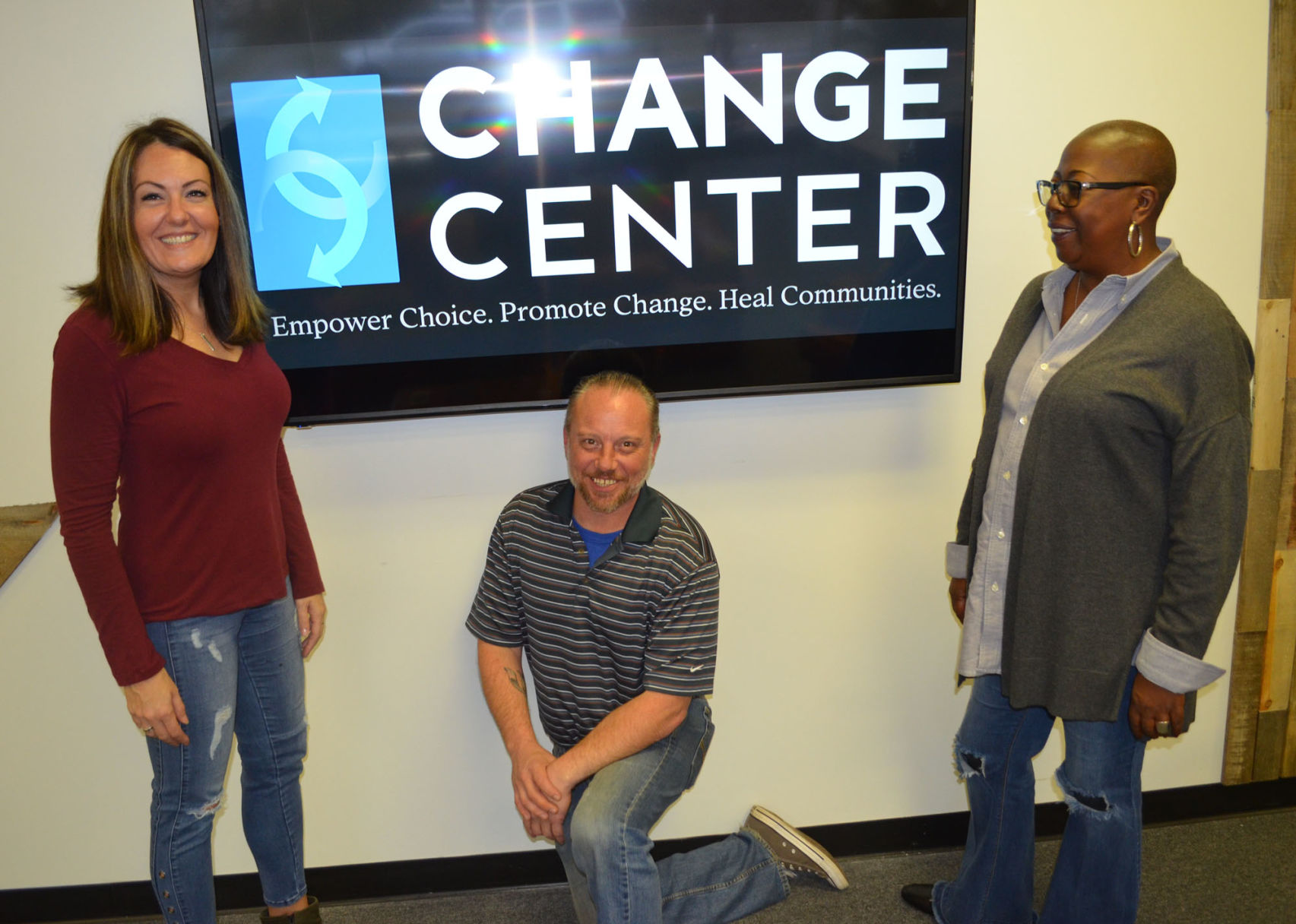
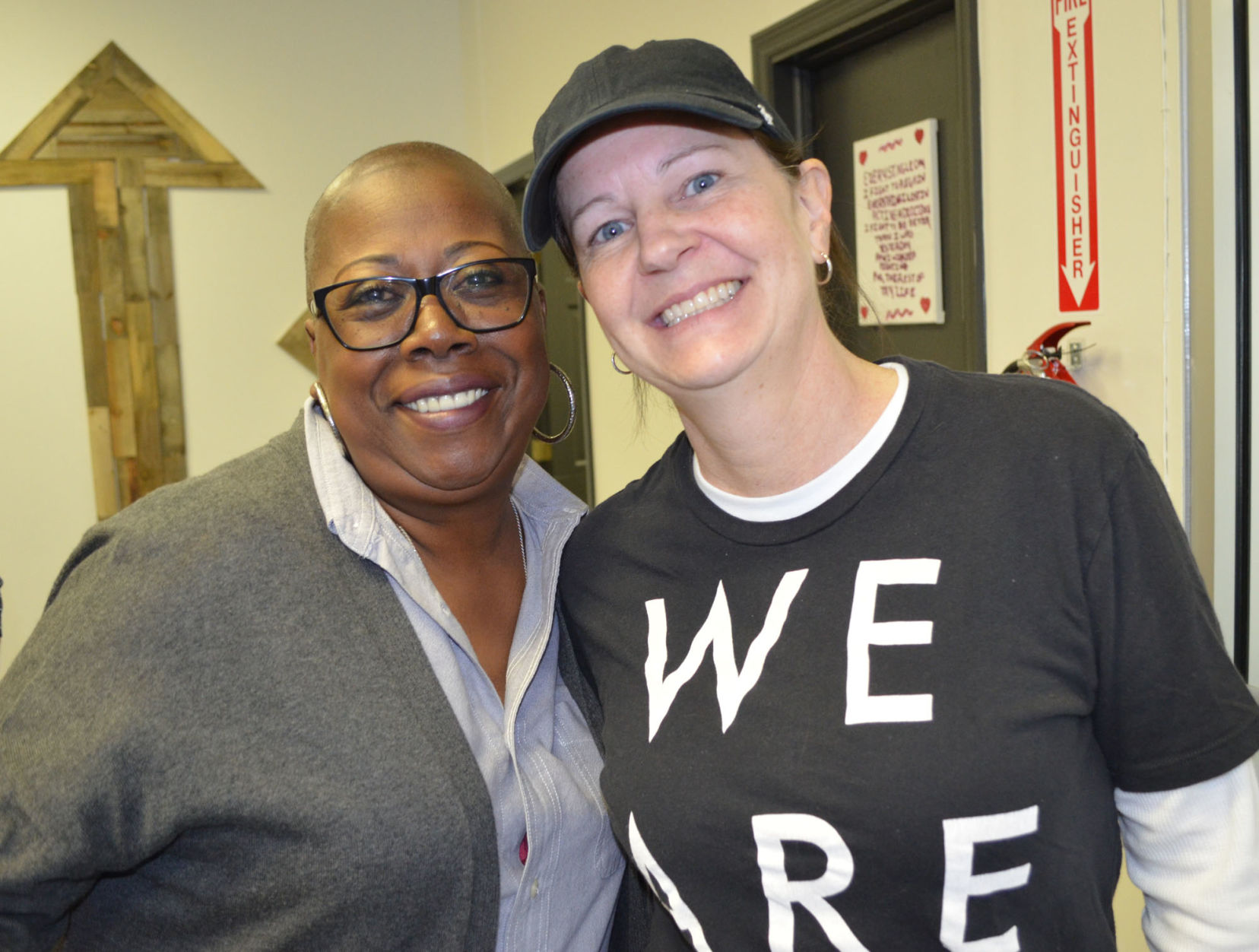
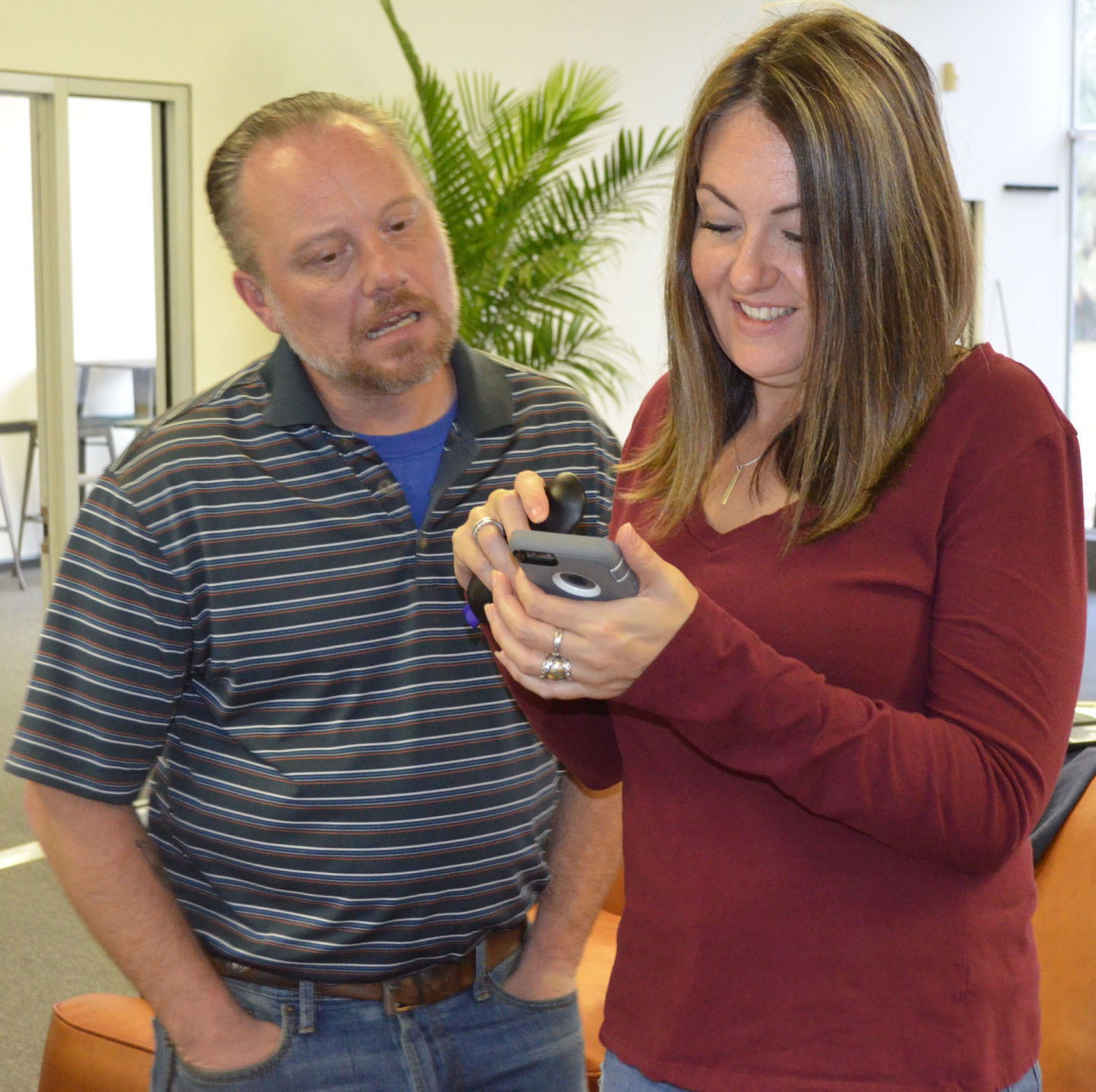
All four staff members of the Change Center — Director Newcomb, Outreach Coordinator Fleuren, Program Coordinator Anduze, Volunteer Coordinator Campbell — can relate to Dave’s story. Each of them has his or her own pathway to discovery littered with setbacks.
That’s why, Fleuren says, the Change Center is a place of hope for all who enter.
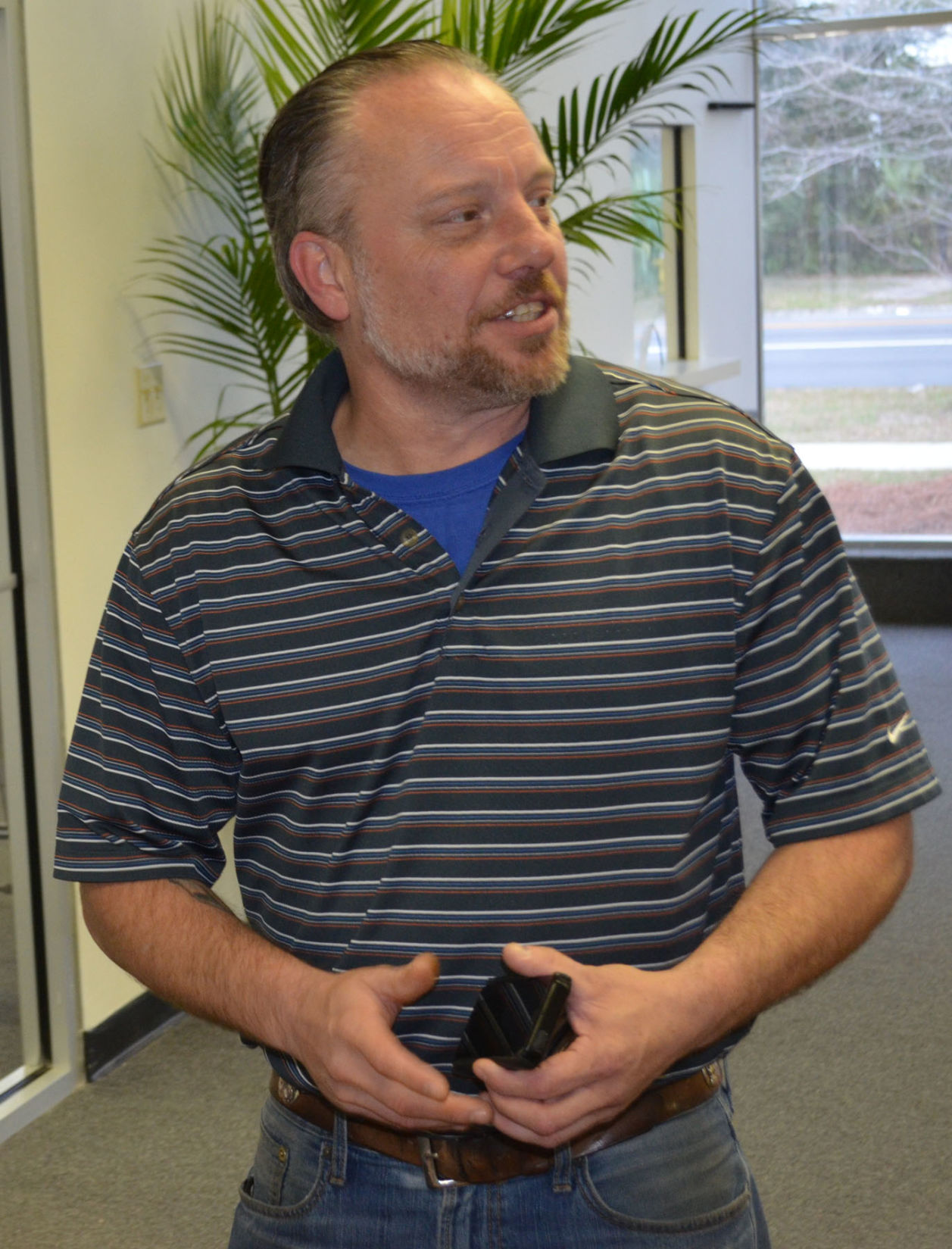
“If you have trouble with your vehicle, you take it to a mechanic,” the seasoned house framer said. “If you’re sick, you see a doctor. If you have an issue with something that makes you want to take a drink or use drugs, who better to talk than a recovering alcoholic?”
None of the four staff members of Aspire’s Change Center is from Albany. But all say they share a common trait: They were led here.
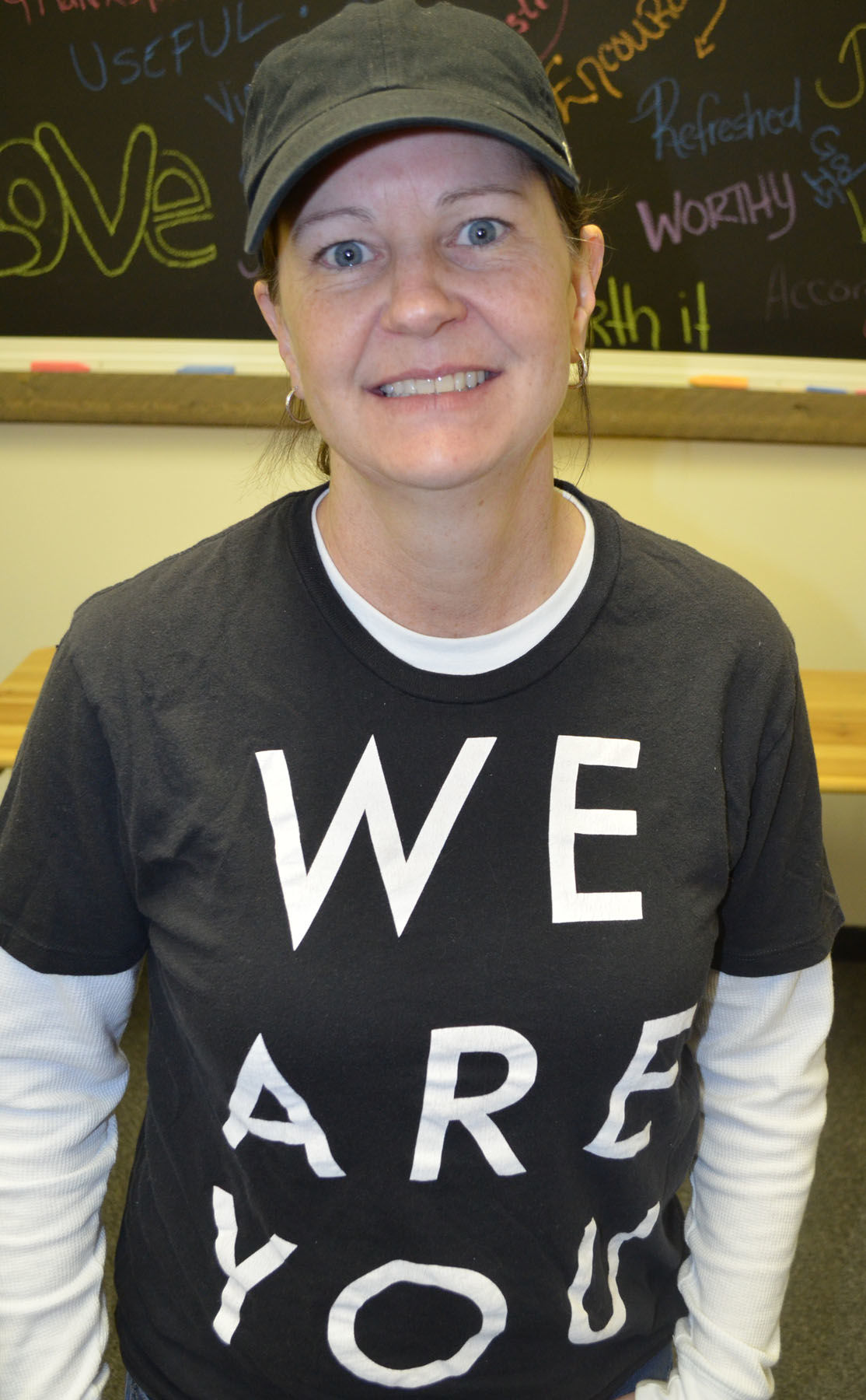
“I ended up at my rock-bottom in Georgia after my mom died in a house fire when I was 21,” Anduze, a native of Long Island, N.Y., said. “But I’ve been in long-term recovery for 10 years. It’s mostly because a lady at Aspire saw something in me and gave me a job when I’d been here a little more than a year.”
“I found Albany, Georgia, by happenstance, maybe divine intervention,” Newcomb, who grew up around Jacksonville in the tiny Atlantic Beach community, said. “I think I can say in all honesty that I would not be here today if I had not found this place.”
Aspire administrators, buoyed by allocation of part of a $4 million Department of Behavioral Health grant allocated to help fight the national opioid crisis, set up one of 16 addiction recovery support centers in the state in Albany. They staffed the center with a multicultural, multi-ethnic quartet that had the experience to speak to persons fighting addiction on the addicts’ level.
“You don’t need an appointment to come here,” Fleuren said. “It’s totally free and peer-led. None of us are clinicians, just folks who’ve been there, done that.”
Adds Newcomb: “You don’t even have to give your name. We meet people where they are, because no one’s recovery looks like anyone else’s. We’re here to promote change, to try and empower communities to heal themselves.”
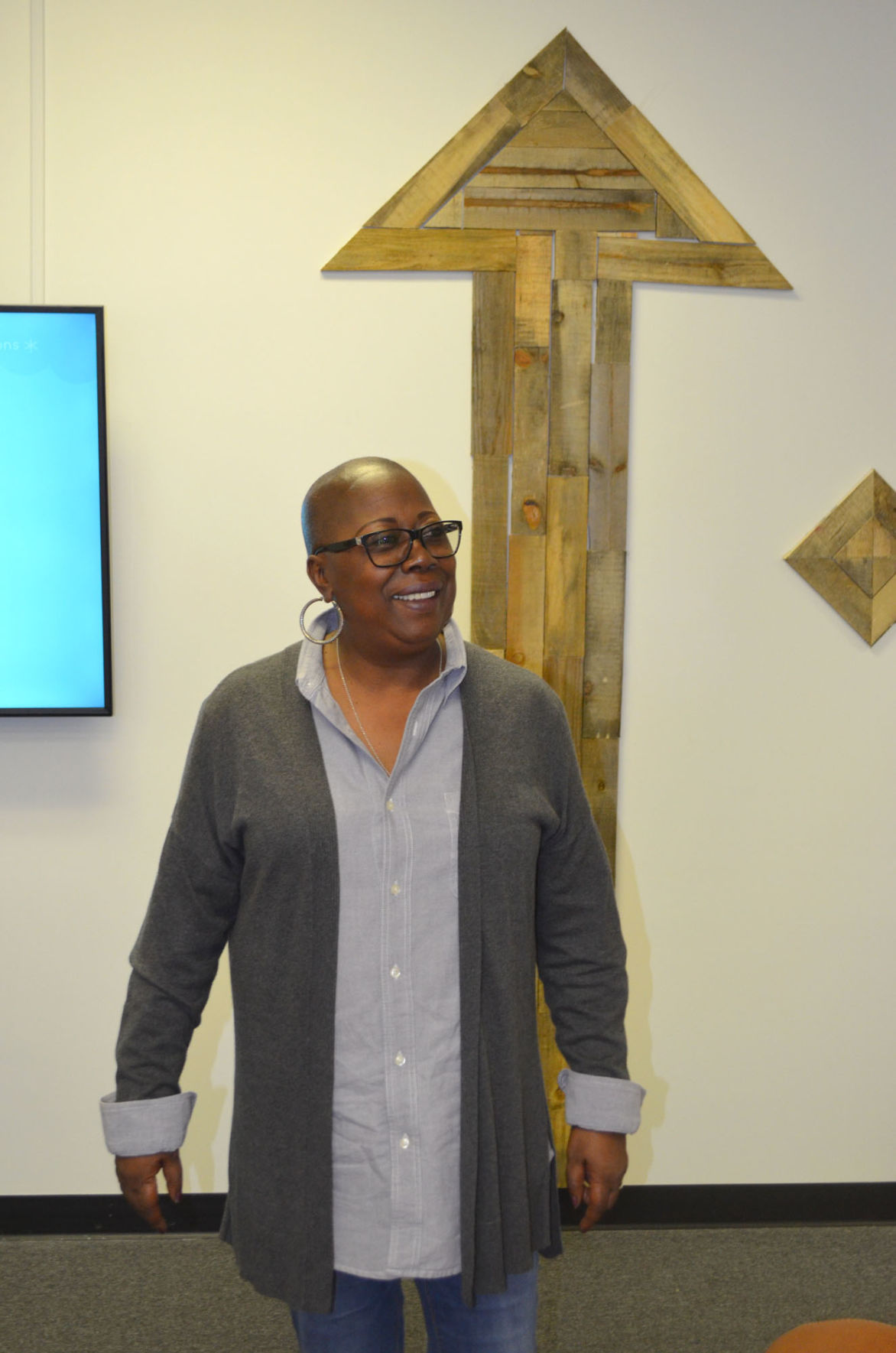
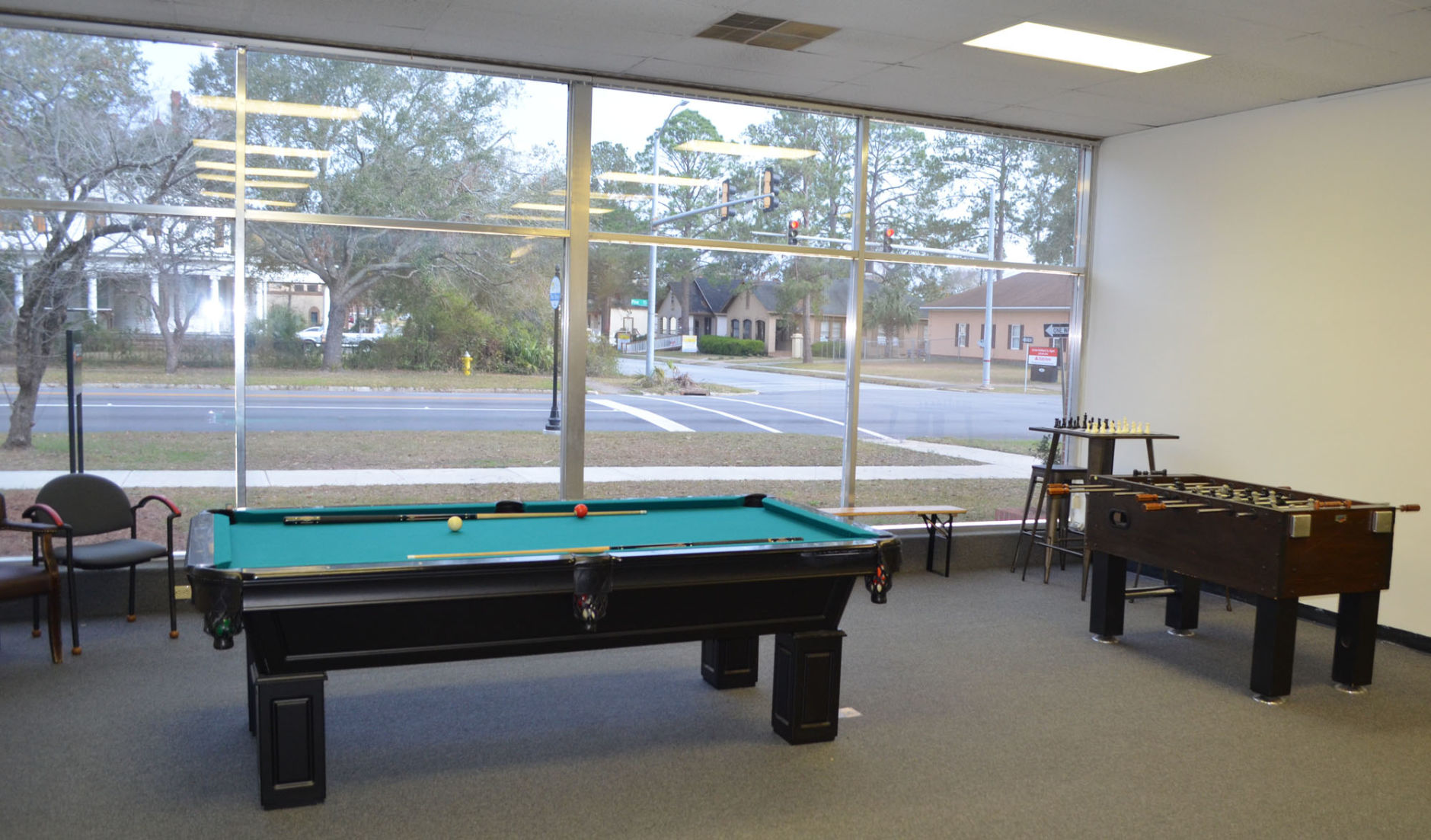
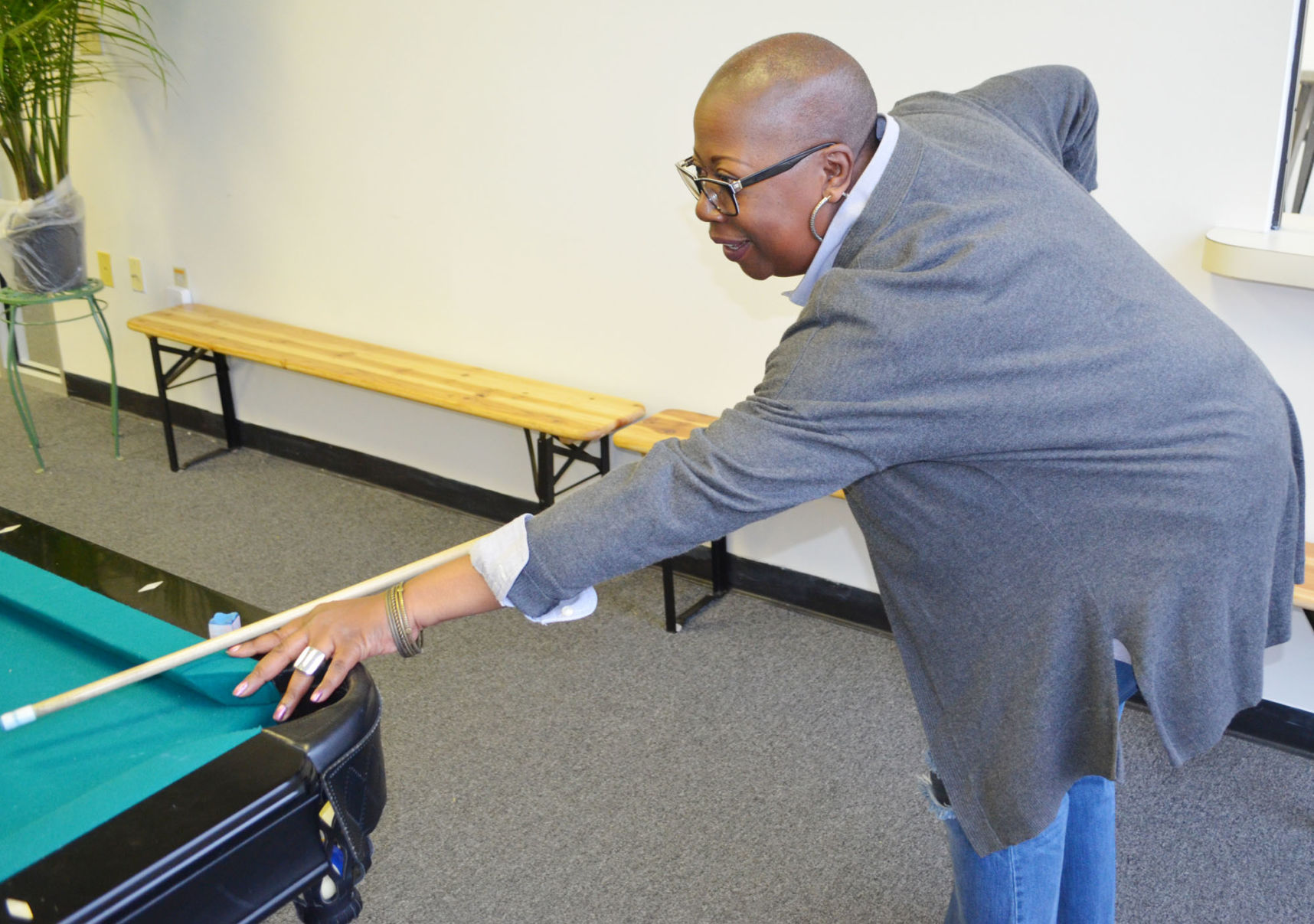
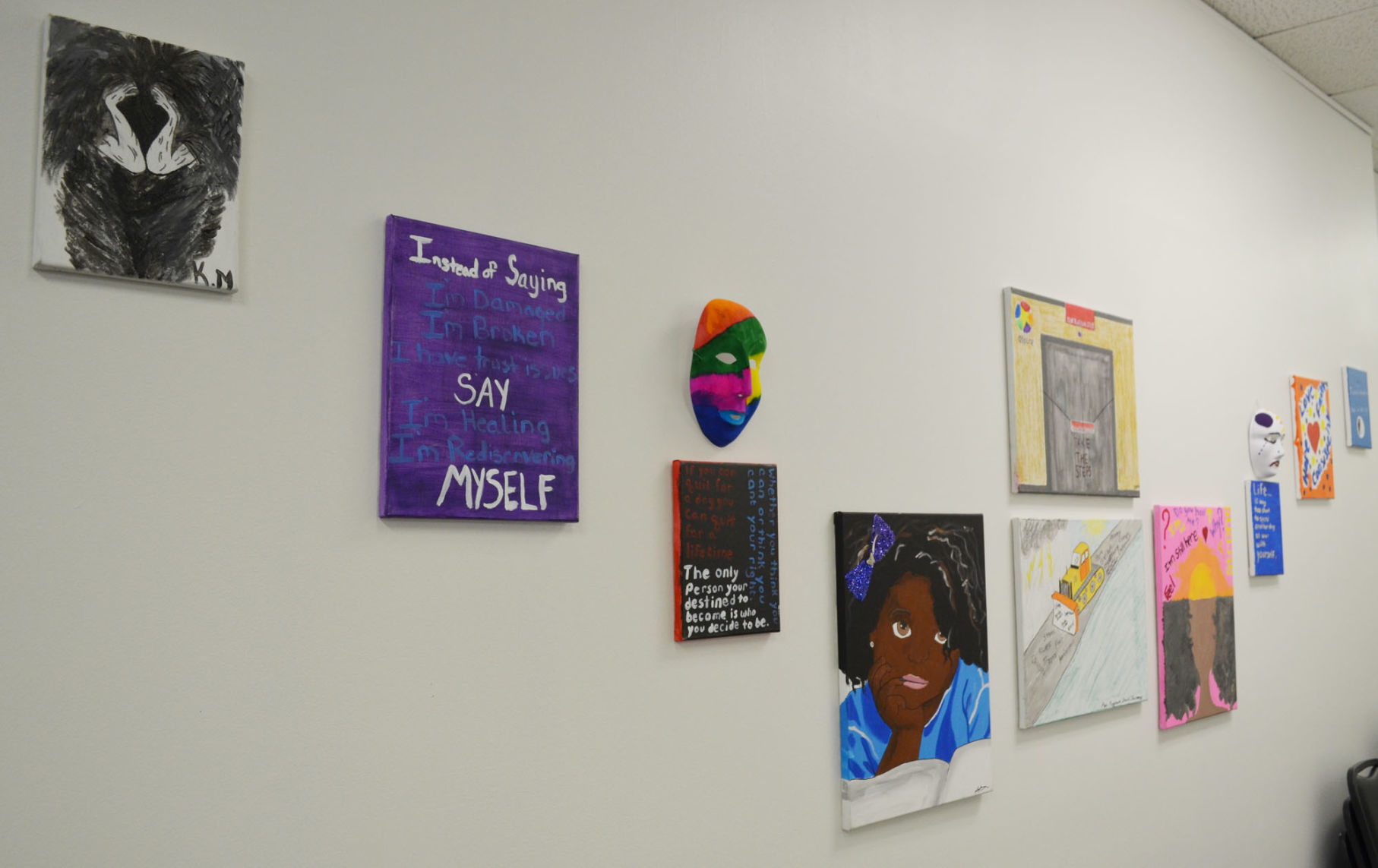
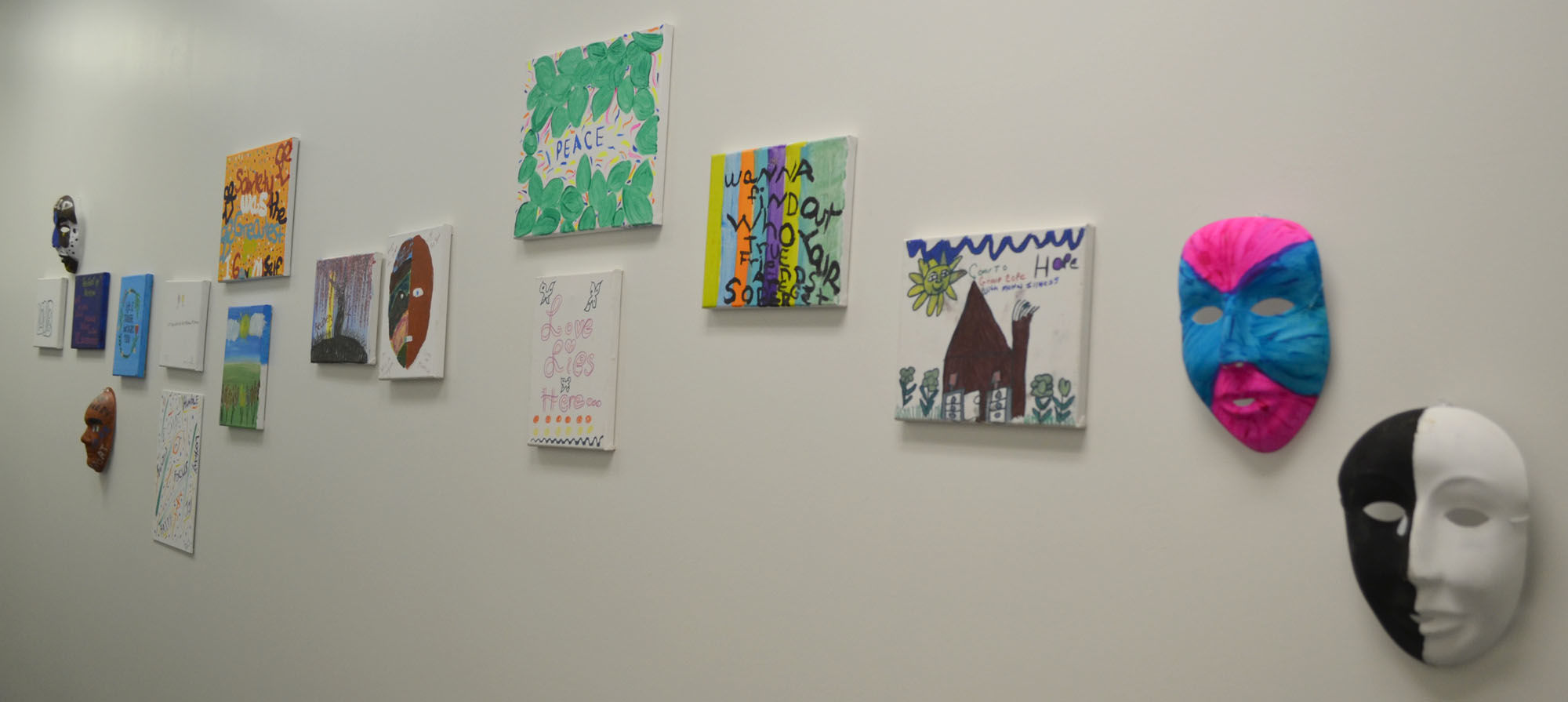
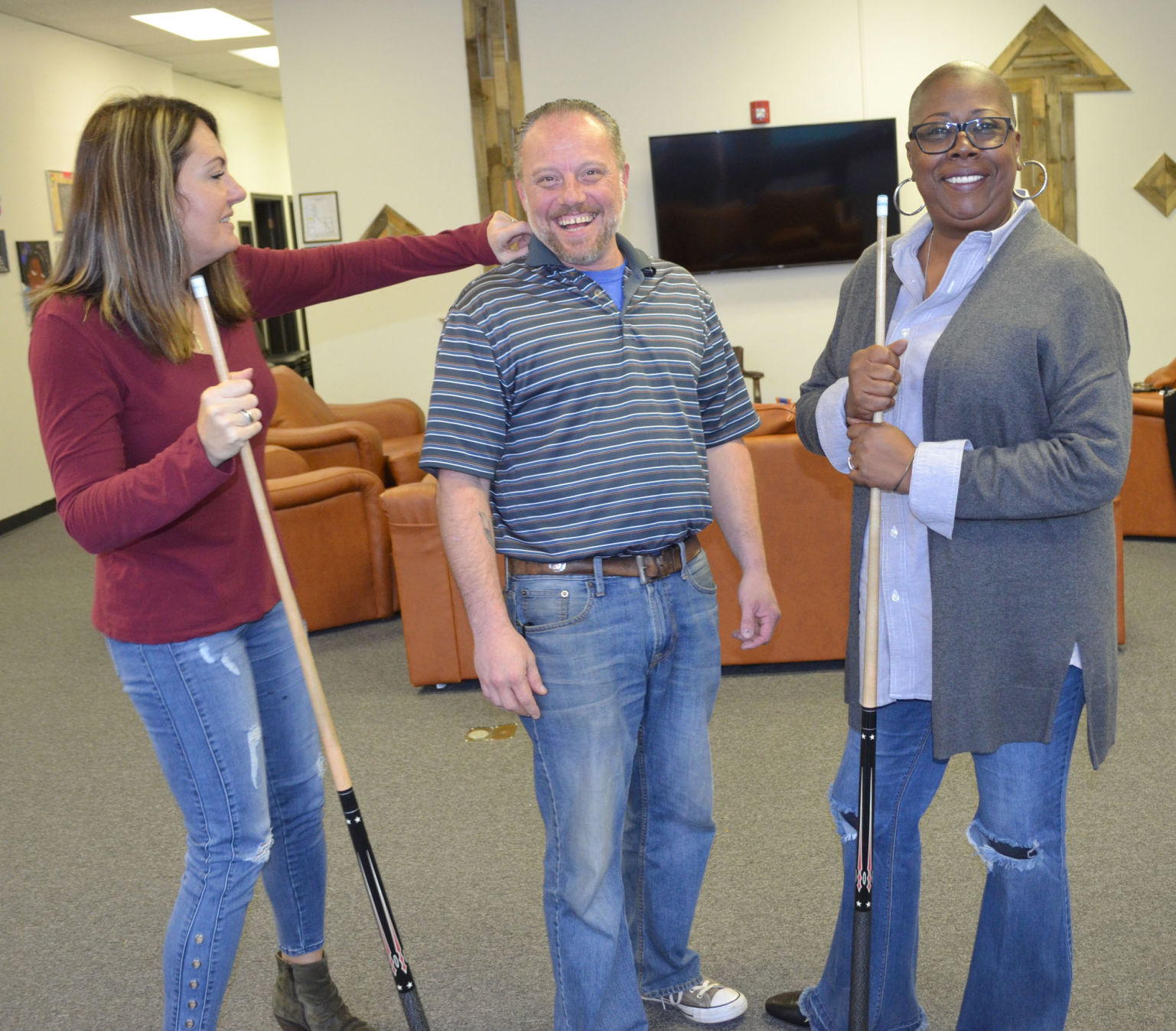
A look around the Change Center offers a glance at a place where visitors can relax. All the furniture and appliances — chairs, a big-screen TV, pool table, Foosball table — were donated, and Fleuren used donated pallets to create wooden artwork that includes an impressive array of symbolic arrows.
People — like Dave and Ginger Eady, who calls the Change Center “my safe space” — drop in for doughnuts, conversation or just to be in the presence of others who do not judge.
“I came from a well-educated family, and nothing happened to me in my childhood that led me to addiction,” Newcomb said. “After I fell, it took me a really long time to get here (in recovery). I never thought I’d make it. But I found my way to GraceWay (recovery center), and some powerful women taught me the value of honesty and integrity. Right here in this small, backwoods community, I’ve found my home, my sanctuary, my refuge. I’ve found the only purpose I’ve ever really had.”
Fleuren said he doesn’t know when he “crossed the line” from social drinking to alcoholism, but legal issues and relapses have hounded him since he did.
“I framed houses because it was one of the few jobs you could get without disclosing all your past problems,” Fleuren said. “A buddy told me about The Anchorage, and after I finished that program I heard about Aspire. That was the first place I’d been to where they didn’t put value on all that junk I’d been through. I got my college degree, relapsed and thought I’d ruined my life. Now, to get to do this is just mind-blowing.”
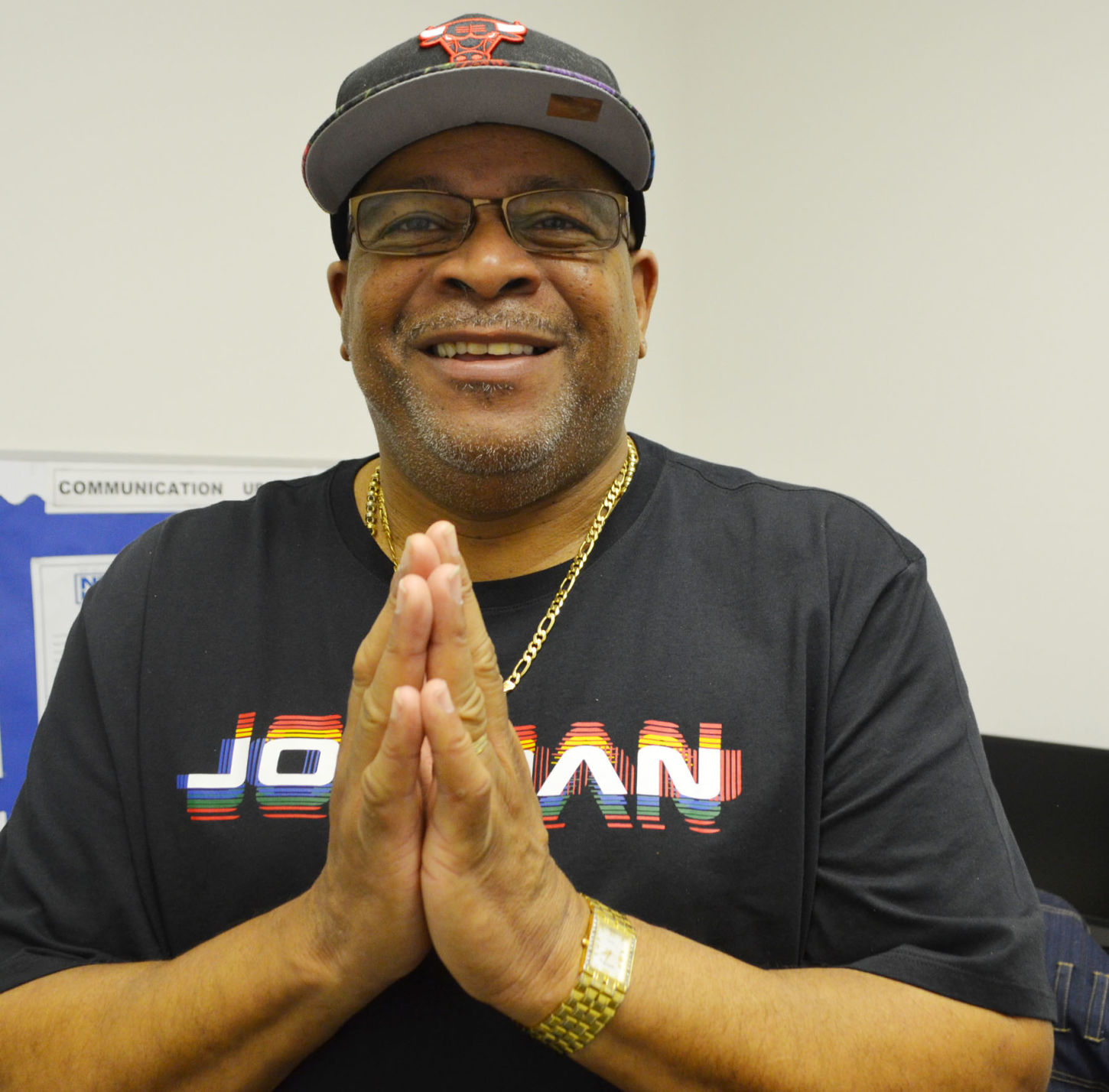
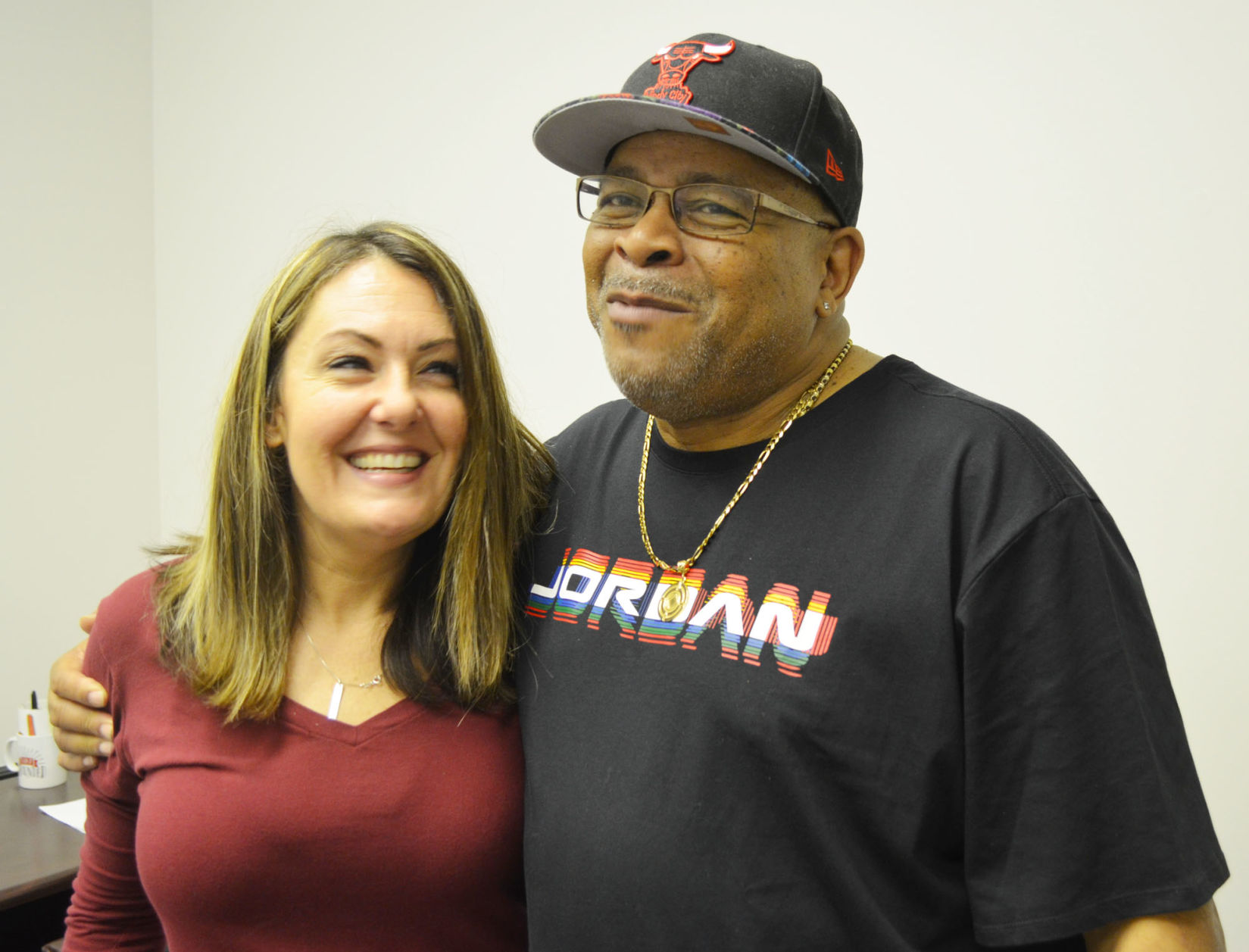
Campbell, the veteran of the Change Center family at 20 years sober, said he almost lost his family and his career with the juvenile justice system when the Chicago native “lost the fight to addiction” in Virginia.
“Addiction is unbiased, it doesn’t matter what you do for a living or what your circumstances are,” Campbell said. “God was good to me, allowed me to find my way out and to salvage my family and my career. I just had to give up, to quit fighting. You don’t beat addiction; it wins every time. I don’t think it’s a coincidence that I’m here in Albany with these people, and I believe our job here is to give people back the glimmer of hope we got that saved us.”
Anduze said she had to “pray about” opening up her life to people she didn’t know, but she’s been able to do that at the Change Center in an effort to affect change in others.
“I’m a very private person, actually, and my recovery is a private thing,” Anduze said. “But for people to identify with me, I have to be willing to share my lived experiences. I love that there is no hierarchy in here. The only requirement anyone needs is to seek recovery.”
Dave stared down a powerful challenge to his addiction when, he said, he lost his wife on “March 22 at 2:19 a.m.”
“I tried to be a tough guy, but it kicked my ass,” he said. “I went to Aspire, and they helped me get busy to prove I was stronger than my addiction. Experts recommend you go to 90 meetings in 90 days when you face that kind of struggle. I’ve been to 200 meetings in 90 days, and I’m getting involved in service projects to help someone else.”
The grant money from the state helped Aspire establish the Change Center, but community involvement is most likely going to be necessary for its continued survival. The goal, staff says, is to “become self-supported.” Donations and contributions will help.
The center is open from 10 a.m. to 7 p.m. Monday-Friday and in March will be open each second and fourth Saturday. There are plans among the staff to initiate new programs, but primarily, the Change Center’s objective is to just be there, to welcome anyone willing to walk through the doors.
Eady, who works with another arm of Aspire’s outreach services, said she was recruited by the agency from a halfway house. She said she’s been sober “this time” since May 4, 2017. And she says at the Change Center she’s found a second “family.”
“I’ve found that there’s an amazing recovery community in Albany,” she said. “And here at this center, I’ve found a group of people that understands me. My family comes to visit me, and they love me. But this is my safe place, this is where my hope lies. This is where I found the light in my life. My blood family, they love me. But my family here, they get me.”
For additional information about the Change Center, call (229) 854-9418.





Author

Related Articles
Tenants in Albany apartments face eviction
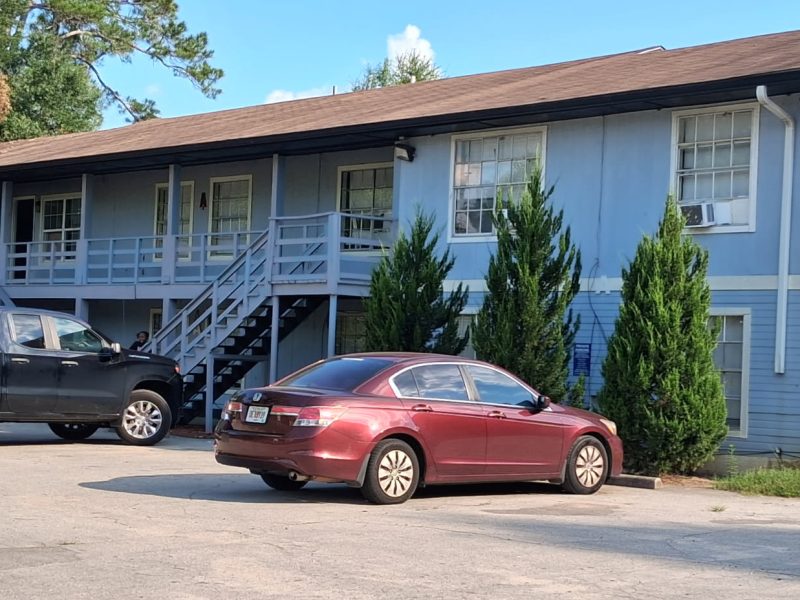
Residents at Cornerstone apartments, located at 608 Moultrie Road, said that eviction notices were placed on the doors of all of the units this week, giving them three days to pay two months’ rent or face being removed in three days. Tenants said they were confused to whom rent should be paid and are frustrated by the living conditions at the complex that is more than 50 years old.
Labor commissioner candidate wants to use position to protect workers
“I saw things like worker’s claims being denied, being fired from their job. That was one of my first experiences with worker mistreatment.”

Lee County agricultural land values could rise 83% as new assessments near mailing
During a work session Tuesday, Terry McCormick of McCormick Solutions provided the Lee County Board of Commissioners with an update on the county’s 2026 tax digest and ongoing reappraisal efforts.

