
Jimmy Norman manages 280 linemen, volunteers during storm recovery
THE AFTERMATH 2: Albany utilities operations director has long history with natural disasters
By Carlton Fletcher
EDITOR’S NOTE: This is the second in a series of articles about some of the men and women who were instrumental in efforts to help Albany, Dougherty County and Southwest Georgia recover from costly and deadly storms that hit the region Jan. 2 and Jan. 22.
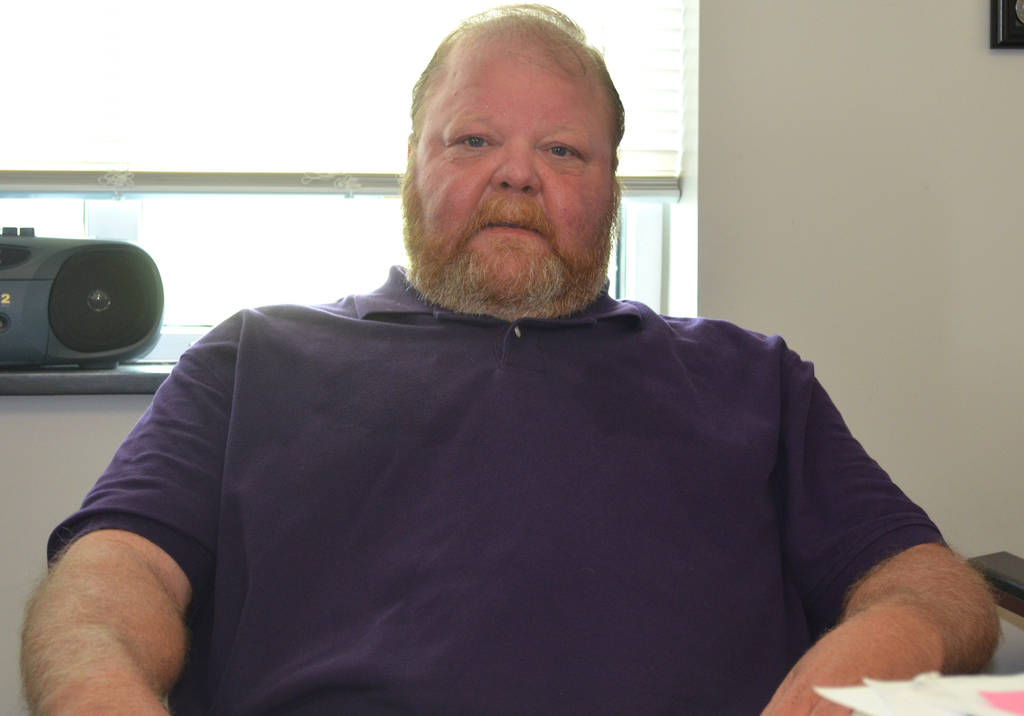
ALBANY — If anybody in Albany knows and understands natural disasters, it’s Utility Operations Director Jimmy Norman.
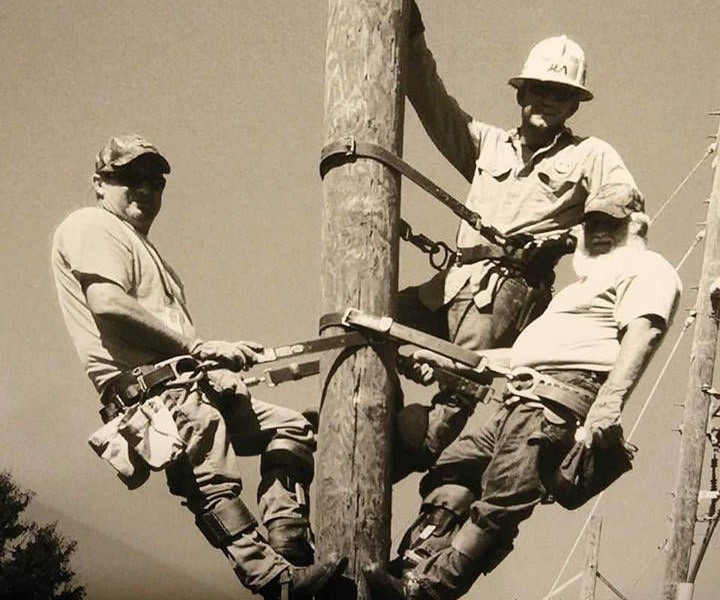
With just short of 30 years of experience in utilities service under his belt, Norman, in addition to working during local 500-year floods in 1994 and 1998, went to the New York-New Jersey area following Super Storm Sandy; he volunteered to help in Florida following hurricanes Kate, Charley and Jeanne; he worked the Carolinas in the aftermath of Hurricane Hugo; he offered his services following ice storms in Boston and the Cape Cod areas, and he helped out following tornadoes in Kentucky, Tennessee and along the Georgia coast.
In some ways, Norman said, the damages left in the wake of a storm system that brought with it 85 mph straight-line winds that tore through downtown Albany on Jan. 2 and the Jan. 22 storm that spawned an EF3 tornado and left five people in the county dead were as bad as the aftermath of any of those disasters.
“As far as the widespread damage, what we saw here in January was probably worse than most of what I’ve seen at (other disasters) over the years,” Norman said. “I guess if I had to compare it to anything, it would be Hurricane Hugo in North Carolina. There were areas there that looked like someone had taken a chainsaw and cut the tops out of some of the mountains.”
Norman has been lauded by emergency personnel from across the region and by state and federal officials who were involved in storm recovery efforts for the organized approach he spearheaded during those efforts. Recovery, Norman noted, started shortly after the Jan. 2 winds blew out of the city.
“I made the first call to ECG (Electric Cities of Georgia) around 10:30, 11 o’clock the night of the Jan. 2 storm,” Norman said. “They had personnel here and we were staging crews the next morning. That’s our protocol in a situation like what we went through.
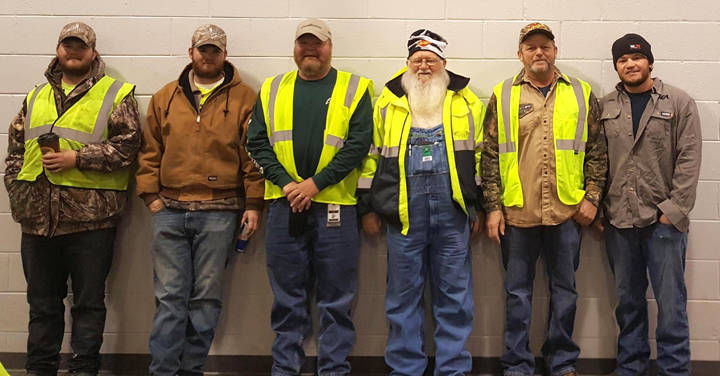
“There were a few folks the first couple of days, and we’d meet up (at the utilities authority’s Lily Pond Road facility) at 7 a.m. to have a breakfast and figure out our strategy for the day. A couple of days in, we had to move that meeting into our auditorium, we had so many people here working with us. At one point, we had 280 outside crew members here, and we were able to get done in a relatively short amount of time what it would have taken days and days for us to complete without that help.”
Norman’s first strategic move as operations director was to survey damage with Public Works crews to gain access to areas where utility lines and poles were down, many of them toppled by the hundreds of trees that were broken or uprooted by the strong winds.
“We had to do a damage assessment, and it took a good bit of time trying to get to the areas that were hit by the storm,” he said. “When we were able to get a pretty good assessment of the situation, we were able to relay to ECG what we needed. A lot of people don’t understand that that’s what being a part of ECG means. Rather than trying to reach out to other communities for help, we’re able to focus on our immediate concerns while they gather resources.”
Over the course of the next several days, which stretched into weeks for Norman, his Utility Board staff and volunteers who were here to lend a hand, crews worked every available hour to restore electricity to the hundreds of residents who were without power, some for extended periods of time. During the initial stages of work, those crews replaced 256 broken wooden light poles, 173 transformers, and 261,195 feet of conductor cable.
After the Jan. 22 storm, crews — many of which had been in the city since the Jan. 2 storm — replaced 89 broken wooden poles, 48 transformers and 62,189 feet of conductor cable.
“There were some places,” Norman said, “that were completely destroyed. We had to literally rebuild our infrastructure from the ground up. At one of the substations, for instance, every pole was destroyed and all of the wire was down.
“I don’t know if people realize how important it was to have help from these outside crews. But our guys worked themselves to exhaustion. We just didn’t have enough folks to go around. We never put anybody in danger, but there were times that I was worried. We had crew members whose houses were destroyed who showed up every day to work because they wanted to do what they could for their community.”
That shortage of personnel, which had crews from the utilities authority’s gas, engineering, water and other departments “bird-dogging,” or taking outside crews around to areas where they were working each day, is an issue that has persisted as City Manager Sharon Subadan has asked for across-the-board utility rate increases to make needed improvements and add personnel.
Norman said that while rate increases are not popular, the need for additional manpower is very real in the community.
“Back in the late ’80s and early ’90s, we had seven or eight line crews, a full service department, crews that did infrastructure work,” he said. “But then the economy went south and folks like Cooper Tire and Merck left town, and we started cutting personnel. When people retired, we didn’t replace them, and we ended up either having to outsource work like pulling cable or pull our folks off stuff they needed to do to complete that work.
“At some point, when you get into that type of situation, it becomes cost prohibitive. I looked around and realized we had gone from seven or eight line crews to three, and that’s not a good situation to be in. I think the storms got us to a point that we realized we had cut more than we should have.”
As a semblance of normalcy has returned to the community, Norman — who started with the city in 1989, became light director in 2012 and operations director in 2014 — has taken a little time to reflect on his and his crews’ response to the storms.
“With everything I do in life, I can look back on it and find something I could have done better,” he said. “It took us a little while as we sorted out a few issues with upper management as to what everybody’s role was, but once we got everything organized things here ran like clockwork.
“I look back on everything that happened during the storms and everything we’ve done afterward, and I don’t have any regrets. Everything came together.”
Next installment: Dougherty County Commission Chairman Chris Cohilas.
Author

Related Articles
Congress weighs packaging bill with implications for Albany manufacturers
A congressional hearing this week on proposed national packaging-labeling standards could have implications for several of Southwest Georgia’s largest manufacturers, many of which produce or package products shipped across state lines.

Dougherty County Sheriff’s Office, GBI investigate inmate death
“The sheriff’s office will conduct an administrative investigation to determine if the staff response was appropriate. We have requested that the GBI conduct an investigation.”
Dougherty Jail graduates first class of female GED recipients
“It was an escape. I can say this has been challenging. I want to express my gratitude for being able to attend this program.”
