
Ken Dyer says he is ready to take the reins of the Dougherty County School System
Dyer, associate superintendent and CFO, says he is confident he can replace Butch Mosely
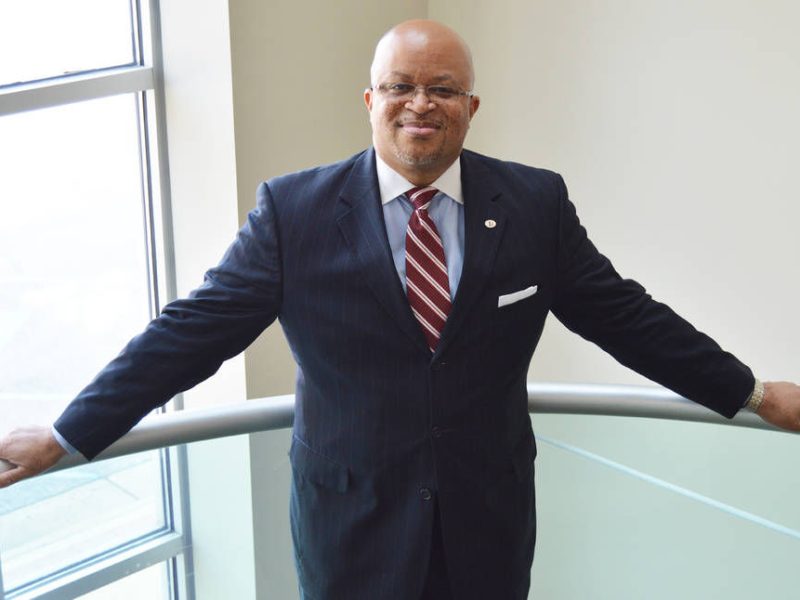
Dougherty County School System Associate Superintendent and Chief Financial Officer Ken Dyer says the troubles that plagued the system over the past seven years, and the addition of Butch Mosely as superintendent four years ago, has readied him to be Mosely’s replacement. (Staff Photo: Terry Lewis)
By Terry Lewis
ALBANY — Late last week, Ken Dyer stood on the steps of the Dougherty County School Administration building and took a slow look around, as if he were searching for the right words.
“You know, statistically speaking, I shouldn’t even be here,” he said matter-of-factly.”I should be in jail, or working at some dead-end job at minimum wage, but I’m not. I’m here because I have a passion for Dougherty County and I have a passion for children.”
Some time this or early next month, Dyer, 45, will become the 12th superintendent of the Dougherty County School System. He will also be one of the youngest superintendents in county history.
He holds bachelor’s and master’s degrees in accounting from Albany State University. Dyer was a Presidential Scholar and vice president of the student government association, and he always has a plan.
Dyer was working at a local mortgage company when the flood of 1994 hit Albany. Then he got the phone call that would change his life.
“I got a call from Albany State and they asked me if I would come help with the flood recovery effort, primarily coordinating the insurance claims,.” Dyer, who was asked to oversee $146 million in damage claims, said. “The flood was in July and I started there in October as the assistant to the vice president for fiscal affairs and was vice president for finance when I left ASU in 2005.”
Dyer later became the city of Albany’s deputy finance director, a position he held until 2011 when he joined the DCSS as associate superintendent and CFO, a position he holds today.
“When I got here the Department of Education was on us about Title I funding. It was so bad they wanted to take our Race to the Top funding. That was worth more than $7 million a year,” Dyer said. “I talked them into giving us some time to fix the problem, and I told them we needed that funding to help our kids. We were on high-risk status for all of our federal programs back then.”
When Superintendent Butch Mosley announced his early retirement in January, Dyer was the only name he mentioned as his replacement. Critics, however, point out that Dyer has zero experience in a classroom setting.
“There is not a doubt in my mind that Ken can handle the (superintendent’s) job,” Mosley said. “He’s smart and knows his way around the money side. His challenge will be surrounding himself with the right people to help him do his job.”
“I have taken a non-traditional path to the superintendency. I agree with that 100 percent,” Dyer said, bristling at the question. “But I do have experience. I have been in educational administration and educational leadership for more than 15 years. The last four years I’ve spent here with Dr. Mosely, under his leadership, I don’t think anything could have prepared me any better than that experience.
“He and (assistant superintendent) Jack Willis both helped me, along with other people I have come in contact with. Having gone through what we’ve gone through, with the challenges we have faced with the CRCT erasures and Title I thing, school closures, and tough times fiscally. My title is associate superintendent and chief financial officer, so I was at the table and took part in the decisions we made to pull us out of those holes.”
Dyer added he was a driving force behind the 1-to-1 Initiative that put laptops or tablets into the hands of nearly 15,000 DCSS students. He was also a factor in the revival of the college and career academy which seemed almost dead in 2012.
“Everybody told me we couldn’t do the 1-t0-1 and I would ask, ‘Then why are we meeting about it?’” Dyer said. “Why are we talking about what we can’t do instead of talking about what we can do about how to help our students. Then let’s find a way to make it happen.I don’t want to hear about how we can’t do it before we even get started. Don’t worry about the barriers just yet.
“Let’s talk about if it’s worthwhile. If it’s worthwhile, how do we pay for it? That will be our challenge. Now I may not have many letters behind my name yet, but I do have three — OJT, and I think that prepared me more than most folks realize. And to get the votes of six out of seven members and with the support of the superintendent I think it says a lot about what they think about my readiness and ability to do the job.”
Related Articles
Dougherty Schools prepare for bell-to-bell student cell phone ban
As Georgia prepares to expand its statewide ban on personal electronic devices in public schools, Dougherty County School System leaders say they are working to balance compliance with the new law while giving individual schools flexibility in how they implement the policy.
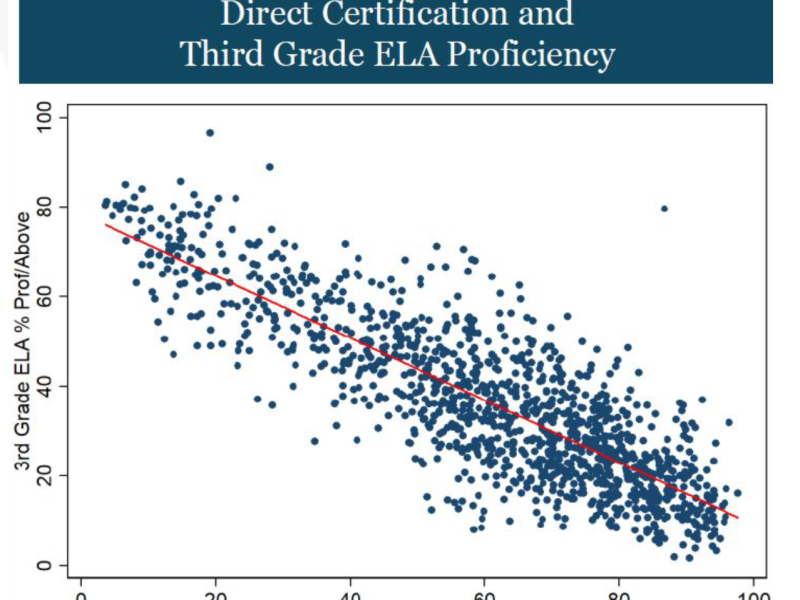
Georgia’s school funding formula still ignores poverty; educators say students pay the price
During a report to the board on the outcomes of this year’s legislative session, Dyer discussed the district’s efforts to persuade lawmakers to add an “opportunity weight” to Georgia’s Quality Basic Education (QBE) funding formula — a change supporters say would provide additional state funding for students living in poverty.

Albany teen, 16, makes bodybuilding debut at Atlanta OCB Pro/Am
Crockett, an Albany resident and student at Albany Technical College Academy, placed second in the teen bikini division this weekend at the OCB Immortal Muscle Pro/Am Bodybuilding Competition in Atlanta, becoming the youngest competitor across all categories at the event.
