
Nonprofits can’t meet all of community’s needs
Available resources outweighed by needs of community’s poor
By Carlton Fletcher
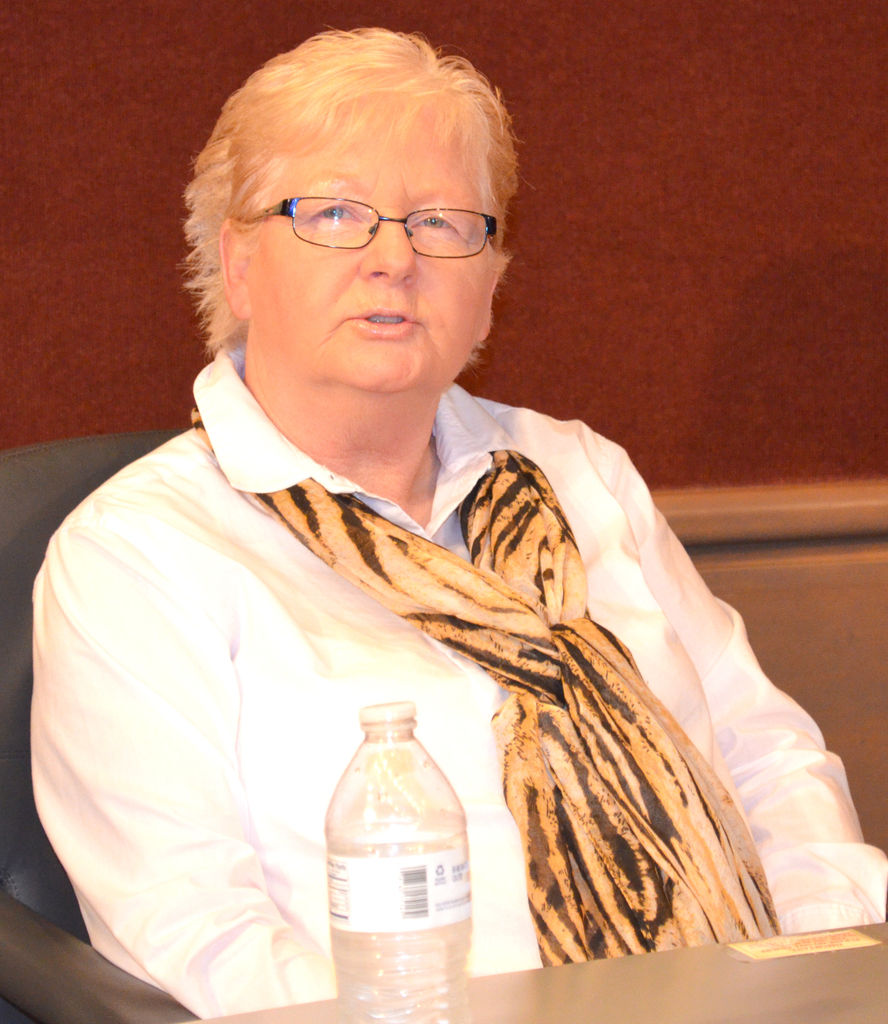
ALBANY — As word has spread — and, she notes wistfully, it does spread quickly — about businesswoman B.J. Fletcher’s willingness to offer financial aid to the community’s truly needy, she’s been inundated with pleas for help.
In fact, so many have reached out to Fletcher — and other area philanthropists — that she’s joined a growing chorus asking, Where are all of our churches? Where are all of our nonprofits?
“Don’t get me wrong,” Fletcher said. “If there is a legitimately poor person who’s facing a life-or-death type situation, I’ll take on a third job and give that person all of the money I make if I have to. But I read in The Albany Herald that we have 535 nonprofits and tax-exempt organizations in our community, and that 225 of those nonprofits are religious organizations. And I can’t help but ask how all of these people keep falling through the cracks.
“A lot of the problem is these folks who are able to work but don’t because they have everything — medication, housing, food, transportation — given to them. I’ve talked with a group of people in this community who have always done everything they can to help the less fortunate, and they’re just getting weary.”
A recent Herald article (“Nonprofits, tax-exempt entities eat into tax base,” March 27) revealed that not only are there hundreds of nonprofits in the community, the majority of which were purportedly organized to provide some form of benefit to the community’s poor, but a large number of parcels in Albany and Dougherty County have been purchased by tax-exempt entities — churches, schools, city, county and state government agencies — and are thus taken off the tax rolls.
Those parcels’ combined gross value ($694,722,967) is equal to 34.5 percent of Dougherty County’s $2.011 billion tax digest.
“I thank God for the legitimate nonprofits in our community — the SOWEGA Council on Aging, the Crisis Center, the Boys and Girls Clubs,” Fletcher said. “But when you read those numbers and keep hearing about all these people who can’t seem to get help anywhere, it just doesn’t add up.
“I’m not going to point any fingers, but I stumbled across a woman in our community who worked hard all her life and now she has health problems and has fallen behind on her utility bill. She was scheduled for a medical procedure in Atlanta, and she couldn’t even find a ride. I called several agencies to ask if anyone was willing to give her a ride, and I kept hearing the same thing: ‘That’s not what we do.’”
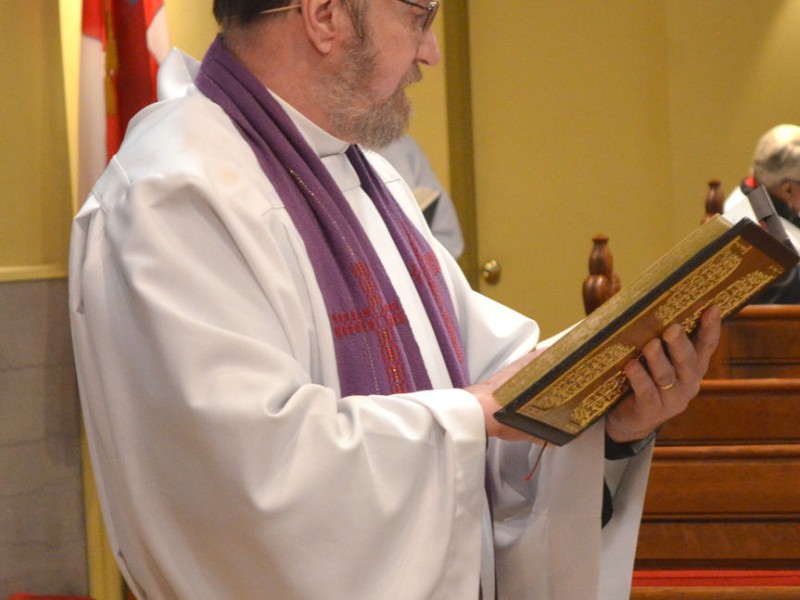
An organized, clearly-stated listing of services provided by the many nonprofits in the community would be a big first step in alleviating the inconsistencies that allow many to fall through the cracks of the system. Such a clearinghouse, with an all-inclusive and regularly updated database, would benefit both the needy and the organizations that help them, according to St. Paul’s Episcopal Church rector the Very Rev. Lee Lowery.
“Here’s what we try to do,” Lowery said. “We try to create a list of people who have very specific needs and do things to help them meet those needs. But it’s always a challenge. One of the biggest problems all agencies have is that many of the folks who are receiving this help aren’t truly homeless or in dire circumstances. Many of them are more food insecure.
“There are people in the community who know where to be at what time on what day to receive resources from various agencies. That’s why I’m not sure some of the federal and state assistance programs don’t hurt as much as they help. They benefit some who’ve managed to find a way to manipulate the system and often do little for those whose ‘job’ is to essentially survive from day to day.”
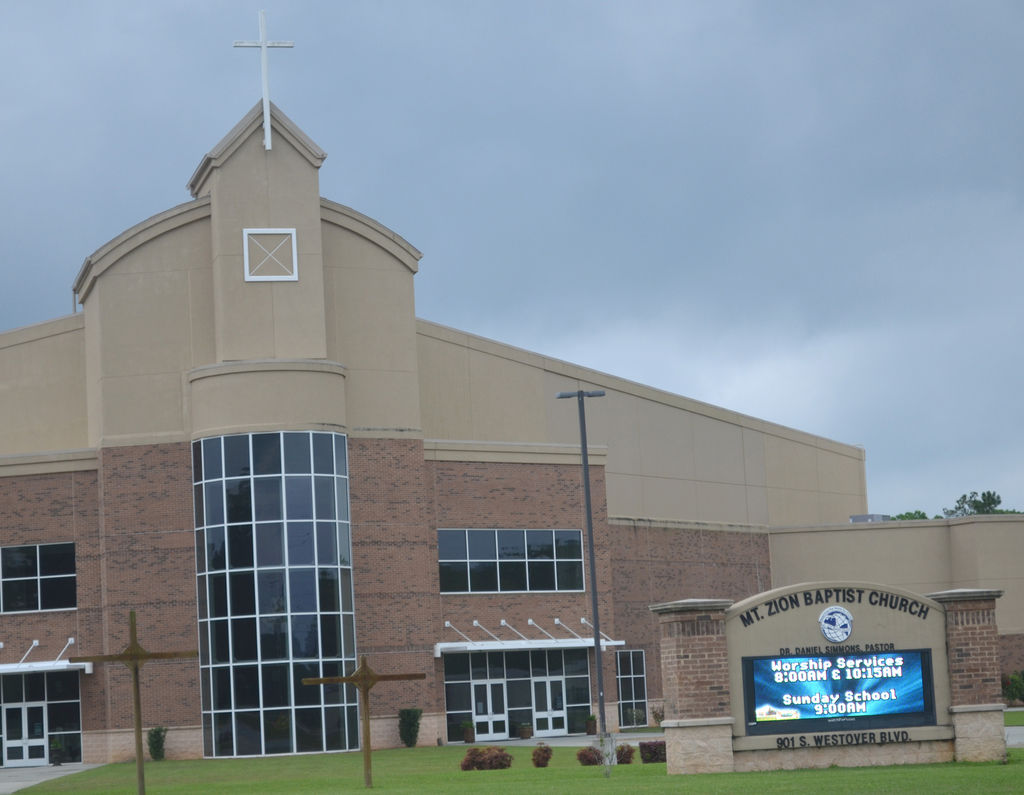
Mt. Zion Baptist, one of Albany’s largest churches, has a number of programs that serve the community’s less fortunate. From providing clothing to health care to affordable housing to educational tutoring to employment assistance, Mt. Zion has a history of meeting the needs of the poor. But the church’s pastor, the Rev. Daniel Simmons, says the efforts always fall short.
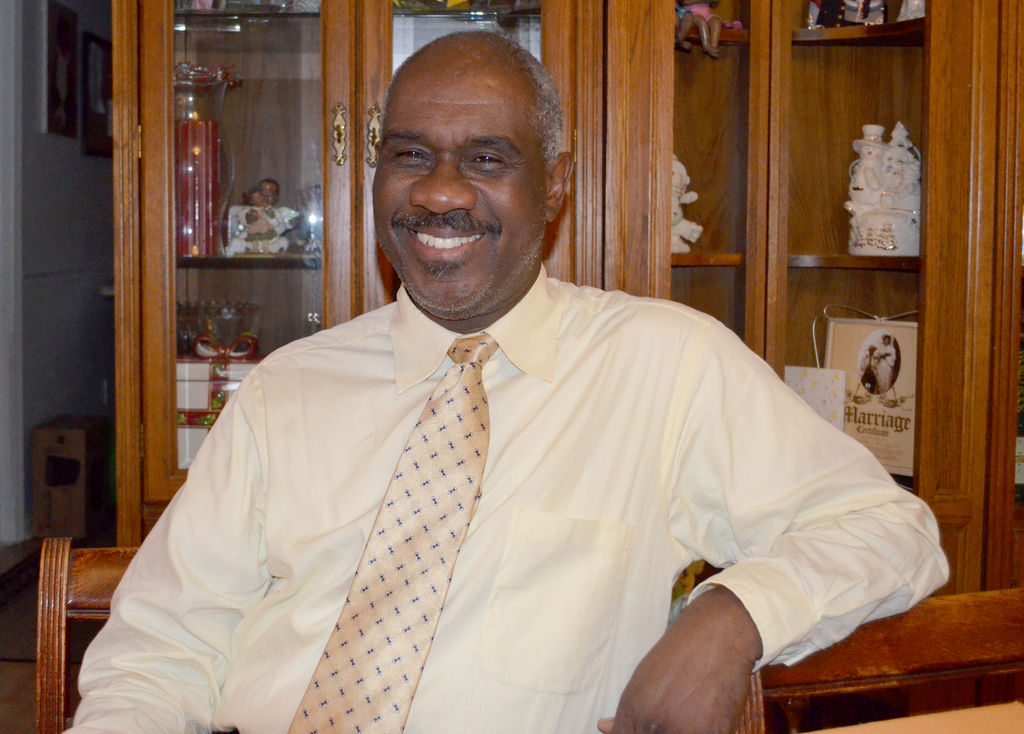
“There’s an easy answer to that dilemma: The need far outstrips and outweighs the availability of resources,” Simmons said. “The argument of trying to meet all of a community’s needs is actually kind of silly. Look at any situation — look at our Army, which is one of the most finely-trained units in the history of the world, yet we still live in fear of terrorists reaching our shores.
“There is a lot of money available (for assistance programs) and a lot of volunteers pouring hours into helping, but there will never be enough. You look at the unemployment rate in the state and the nation, and figure that you can double or triple that rate for the African-American community, and you understand what an imposing battle we’re fighting.”
Simmons said Mt. Zion makes an effort to coordinate its programs with agencies that offer other similar programs in the community so that there is less redundancy.
“We obviously can’t feed everyone who is hungry, but we try to schedule our soup kitchen so that it’s open on days when less food is available,” he said. “We also look at other agencies in the community, see what they’re doing, and make donations to them, organizations like GraceWay, the Boys and Girls Clubs, and Open Arms.”
The Rev. Ivey Hines, a minister at Mount Pilgrim Missionary Baptist Church in Albany and a former Albany city commissioner, said churches are frequently targeted as “unresponsive” in communities like Albany that have a high poverty rate.
“As the Bible says, ‘The poor will be with us always,’” Hines said. “And as much as some people hate to admit it, there are just some things that local churches don’t have the power to do. Our federal, state and local governments are supposed to be designed with safety nets that ‘catch’ the people who fall between the cracks, but we know that’s not always happening.
“Some of it is indifference, particularly when you look at the treatment of our veterans. We claim to honor our veterans in this country, but the reality is we only love them when they’re putting their lives on the line or in the victory parade afterward. Then, when they’re struggling with mental issues, trying to find jobs and trying to find adequate housing, we ignore them.”
David Blackwell, the co-chairman of the Albany-Dougherty Homeless Coalition who has also been named to the Georgia Department of Community Affairs’ Balance of State Continuum of Care board, said there is an element of nonprofit management that is rarely talked about but also impacts the availability of care for the poor significantly.
“I think the question has to be asked: What percentage of money given to these many nonprofits goes to admin costs?” Blackwell asked. “I think in a lot of cases people would be shocked at the amount of money some agencies keep for administration — salaries and such — and the real needs go unmet.
“I think it has to be said that our community has way too many nonprofits competing for the same dollars. Our resources are more limited now because of lost industries, yet we keep adding more and more nonprofit agencies. Those agencies are after the same dollars that the arts community and the social services industry are after. That’s a tough rope to pull in this tug of war.”
Fletcher, meanwhile, said many who’ve solicited money from her confuse her station in life.
“I want to make it clear that anything I do for anybody in this community has nothing to do with my being on the City Commission,” she said. “In fact, when I get involved in anything like that, I say up front that I am not representing the city. There’s a simple reason for that. The city cannot be held responsible for taking care of its citizens.
“Our staff is out there every day fighting for state and federal funds that can help some of our needy, but we’ve got to get away from that idea of being entitled to certain things. No one is entitled to live off the work of another. And I say shame on those agencies that don’t monitor the people who receive assistance to make sure they’re truly eligible to receive them. The Bible says in 1 John: ‘Do not believe every spirit, but test those spirits to see whether they are from God, for many false prophets have gone out into the world.’”
Author
Related Articles

James Rubino installed in new role at Marine Corps Logistics Command in Albany
James L. Rubino recently assumed the role as executive deputy of Marine Corps Logistics Command in Albany. In his new role he will oversee integrated logistics support.

Rain depresses voter turnout in Dougherty County
“A lot of people don’t vote when it’s raining. People don’t do a lot of things when it’s raining.”
City of Albany faces shortfall for police, fire salaries
“We can’t tell staff to hire more police officers and then complain at what it costs.”
