
Nonprofits, tax-exempt entities eat into tax base
Tax-exempt properties 34.5 percent of Dougherty County’s gross tax digest

By Carlton Fletcher
ALBANY — Southwest Georgians who can’t decide between the city of Albany’s established monikers — the Good Life City or the Artesian City — might want to go with another apt title.
The Tax Haven City.
A listing supplied by the Albany/Dougherty County Marshal’s office shows 535 certified nonprofits and tax-exempt entities in the city and county, while county tax department records show that fully 10 percent of the 37,765 parcels of land in the city and county enjoy tax-exempt status.
Those parcels of land have an assessed value of $694,722,967, an amount that is equivalent to 34.5 percent of the county’s gross tax digest of $2.01 billion. Even if assessed at 40 percent of fair market value, which is the figure used to determine the tax rate on a piece of property, the total on the 3,879 exempt parcels is $330,794,061, fully 16.4 percent of the digest.
“The law is the law, and we must abide by it,” County Tax Director Shonna Colley said. “If a group or organization owns property that qualifies for tax exempt status, Georgia law says we must grant that status.”
Even so, individuals who take up the tax slack for the hundreds of millions of dollars that go untaxed in one of the country’s poorest congressional districts are growing more and more unhappy.
“We’re becoming a community of freeloaders,” one such taxpayer, who asked not to be identified for fear of reprisal against her business, said. “And I’m not just talking about the people who are on welfare or are receiving government assistance. I’m talking about these large churches, health care facilities and social organizations that are buying up property and taking it off the tax rolls.
“I’d understand if this property were being bought for specific needs. But when you hear that this group or that group bought a parcel of land and then the land just sits and sits, well, that goes against the letter of the law. It’s getting harder and harder for those of us who are paying taxes to take.”
Another local citizen, a developer who also asked that his name not be used in this article because he works with city and county officials, said he’s ready for more radical tax laws.
“Let me say up front that I own property that allows me to claim exemptions,” he said. “But in my personal opinion, I think that nothing should be tax-exempt. I think all property should be taxed, and that would lessen the burden on everybody. There are only so many parcels of property in our city and county, and the more of them we take off the tax rolls, the bigger the burden on everyone.
“I know of a church in the community that recently bought a piece of property, and that property is just sitting there. But because it was bought by a church, it is no longer taxed. That’s unfair, and it adds to my belief that allowing churches tax-exempt status violates the principle of separating church and state.”
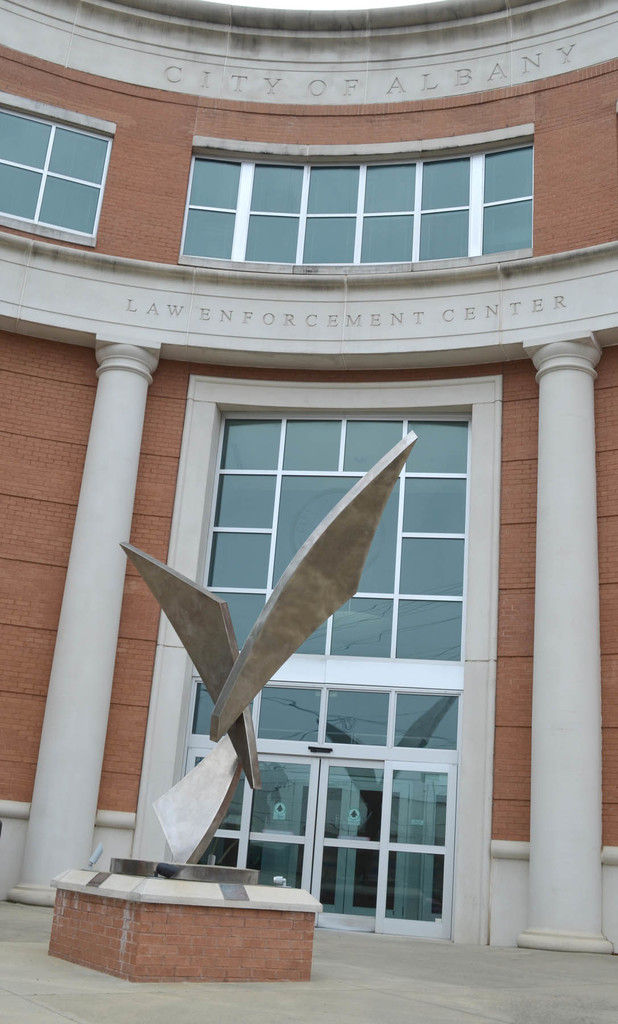
While city and county officials admit that there’s not much they can do to prevent the growing influx of nonprofit and tax-exempt entities, both the Marshal’s office, which oversees business licenses, and the tax office are taking measures to at least confirm that tax-exempt groups and properties are legally qualified to hold that status.
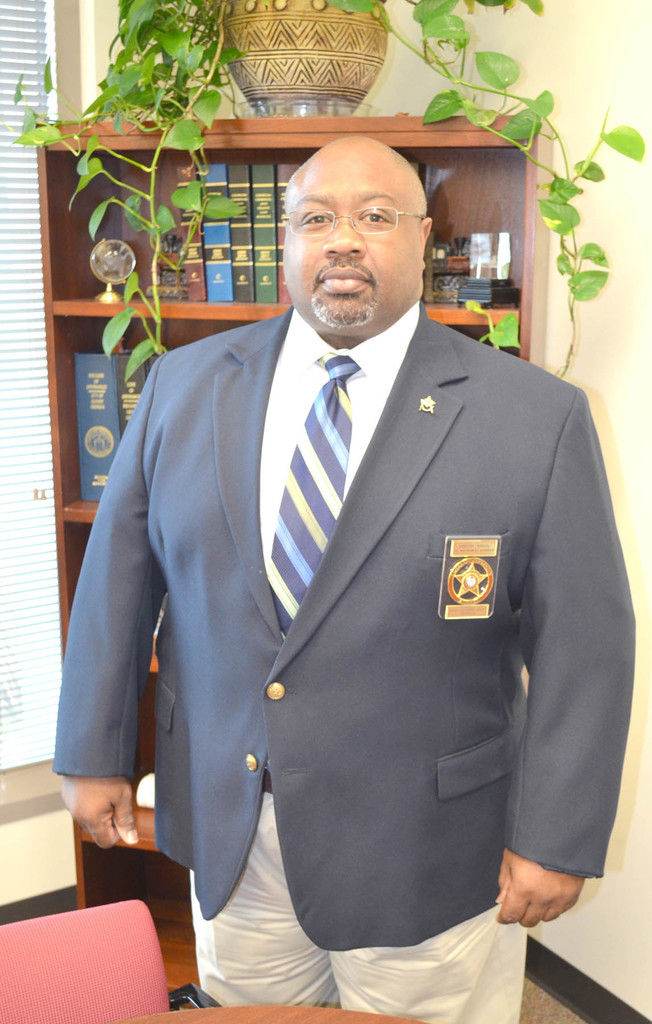
“Business licenses were moved into this office less than a year ago,” Chief Marshal Nathaniel Norman said. “We are now in the process of reviewing each one to make sure each has completed required renewal paperwork. The IRS requires nonprofits to file updated documentation every one to three years, and in the past that status has been subject only to review by the city and county.
“But we’re going to require the nonprofits to maintain documentation in our office so that it becomes part of our database. If there is a question (about nonprofit status), we will have immediate access to their paperwork.”
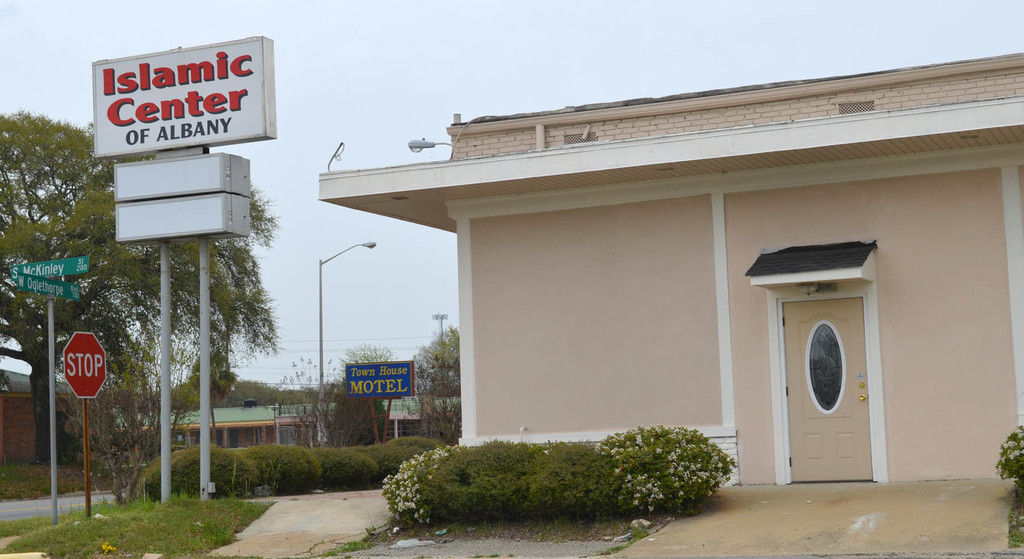
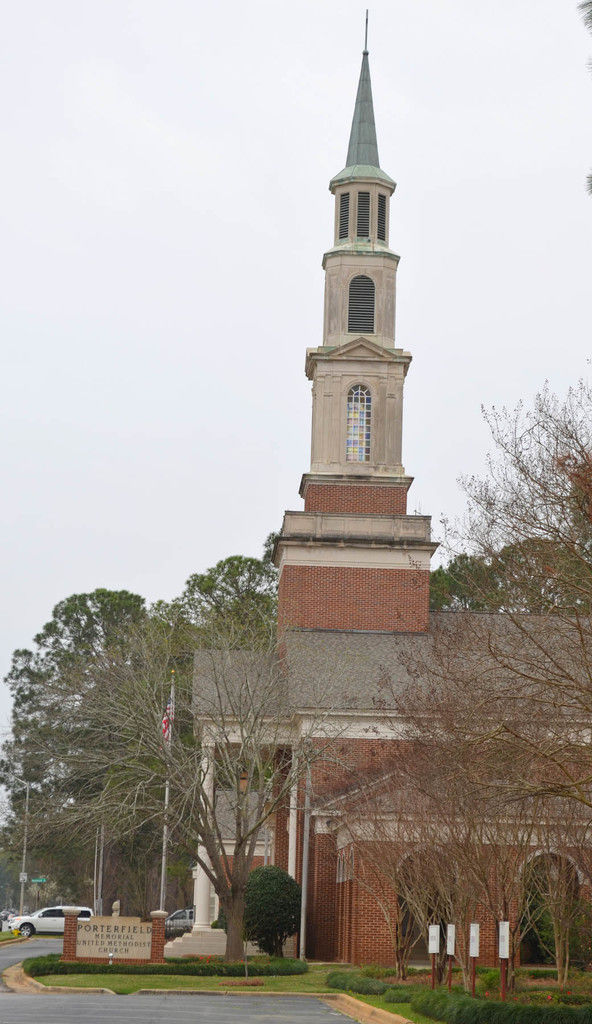
Of the 535 nonprofit organizations listed in Albany and Dougherty County, a list that includes health care, religious, civic, educational and medical organizations as well as child care services, 225 of those listed are religious organizations, far and away the largest group.
“All property purchased by a religious organization or any other tax-exempt entity is not automatically exempt from taxes,” Colley said. “They have to submit paperwork showing that they’re entitled to an exemption.”
Adds Chief Appraiser George Anderson: “We get calls from the public all the time questioning the tax status of certain property. Yes, we have to abide by the state’s laws, but the entity that owns the property also must show that it is being used for the purpose that allows tax-exempt status.”
Tax-exempt property in the city and county has long been all but ignored by the undermanned tax office, its status simply remaining unchanged from year to year. But Colley said she’s added a person to her staff who has been, for the past two years, reviewing all of the property that has tax-exempt status.
“At the very least, we’ll get a true picture of the value of these parcels,” the tax director said. “But we expect the review to also show whether the parcels are being used in a way that justifies their tax-exempt status.”
Given that nonprofits and tax-exempt institutions still enjoy the services provided by the city and county, some have suggested that these groups pay a PILOT (payment in lieu of taxes) to help offset the costs to taxpayers. That strategy has been used as part of incentive packages to lure industries, and in some parts of the country larger institutions (such as colleges and manufacturers) have voluntarily made such payments.
Former City Manager James Taylor often spoke of devising a PILOT program to take to larger nonprofits in the city and county, but his suggestion never gained traction.
“A payment in lieu of taxes is certainly a viable economic development tool, and we’ve used them here before,” Dougherty County Commission Chairman Chris Cohilas said. “But I haven’t heard of anyone here suggesting we request PILOTs of tax-exempt property owners. It’s an interesting concept, but it’s not currently a strategy that we’re discussing.”
Albany City Manager Sharon Subadan said the large number of nonprofits and tax-exempt entities offers “challenges” for city leaders in their preparation of yearly budgets.
“Tax exemption is not something we control at this level; it’s something that generally comes from state legislative statutes,” she said. “But we have to play with the deck of cards we’re given. Certainly a portion of our funding comes from ad valorem taxes, but because it’s not sufficient to fund services we provide it makes service fees and running a successful utility even more important.
“What people have to remember is that when there is a call to 911, we have to respond. And there is a cost associated with that response, no matter if the call comes from a tax-exempt entity.”
Whether Dougherty County and Albany officials are successful in weeding out fraudulent nonprofits and tax-exempt entities remains to be seen. But for many who are part of the city and county’s shrinking tax base, something of a tipping point is at hand.
“I love Albany, love Dougherty County,” the anonymous disgruntled local taxpayer said. “But I don’t know how long I can keep carrying all these people who are getting free rides. At some point, somebody’s going to have to say enough is enough. If not, you’re going to see the tax base in our community shrink down to nothing.”
Author

Related Articles

New commander takes helm as Marine Corps logistics adapts to evolving battlefield
Brig. Gen. Kevin G. Collins assumed command of Marine Corps Logistics Command during a change of command ceremony at Marine Corps Logistics Base Albany, succeeding Maj. Gen. Keith D. Reventlow after four years leading the organization responsible for sustaining Marine forces around the globe.

DOT says delay in Oglethorpe Bridge opening should be brief
“We know it’s not going to be July 22. We don’t think it’s going to be much later than that.”

City of Albany has big July 4 celebration planned for Saturday
“It’s going to be a lot of moving and shooting them off in a short time. It’s going to be a big show.”
