
Planning board recommends cemetery approval for Islamic Center of Albany
Muslim congregation wants approval to construct 123-plot cemetery on half-acre plot
By Carlton Fletcher
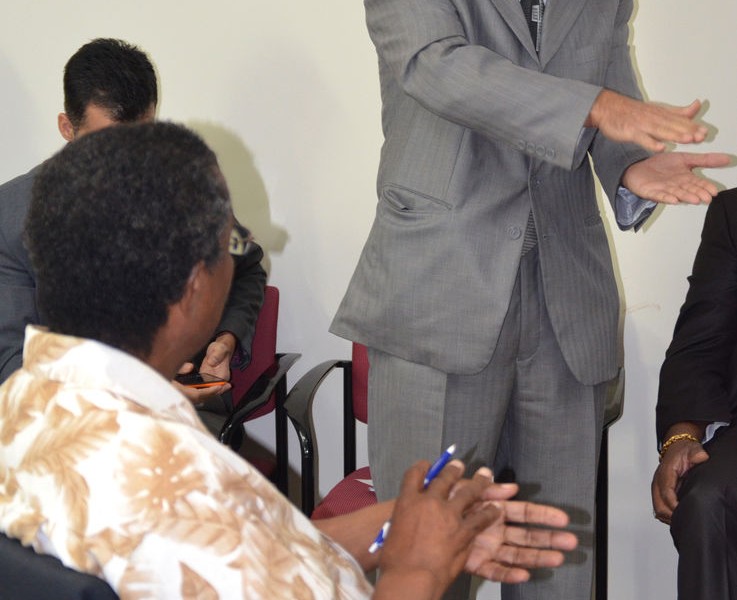
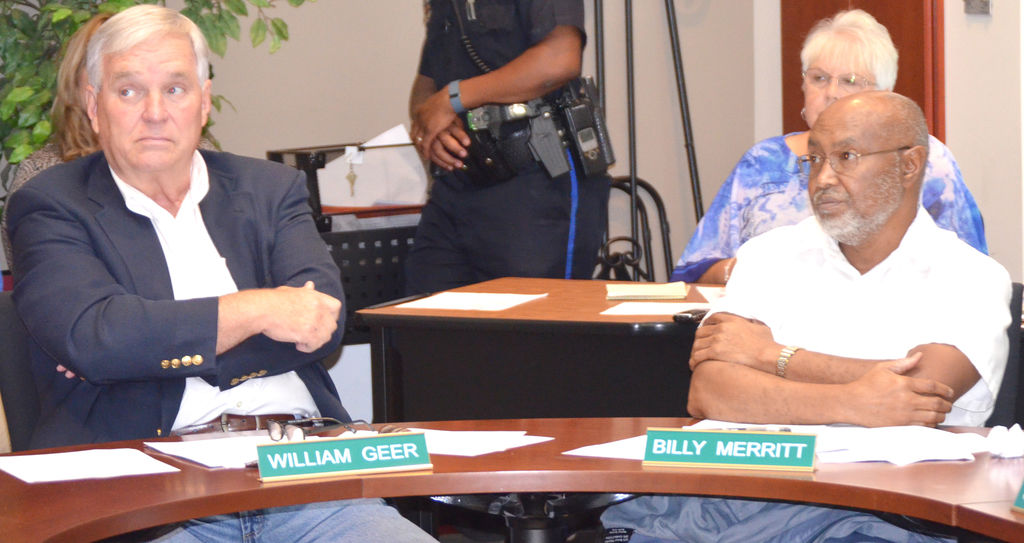
ALBANY — Over protests from nearby landowners and concerns expressed by a number of board members, the Albany-Dougherty Planning Commission voted 7-1 at a special called meeting Wednesday to recommend approval of a proposed cemetery on property owned by the Islamic Center of Albany.
Expressing concern over how burials at the 711 W. Highland Ave. property might impact the aquifer that provides the city’s drinking water, Planning board member Hamp Smith, who voted against the recommendation, pointedly asked Planning staff for a guarantee that there would be no health issues if the cemetery is approved.
“Can you guarantee me 100 percent that this will not be a health hazard?” Smith asked Planning Services Director Paul Forgey.
Forgey replied: “Sir, I can’t guarantee you 100 percent that anything won’t be a health hazard.”
The called meeting became necessary when not enough members of the appointed Planning Commission showed up for that board’s regularly scheduled meeting Sept. 1. The failure to attract a quorum led some members of the Islamic Center to accuse city officials of trying to sabotage their plans to turn the half-acre property into a 123-plot cemetery.
Albany Police Department officers were present at Wednesday’s meeting, which included lengthy discussion but no animosity.
“I have, I think, more knowledge of Islamic burials than some of my colleagues,” board member Helen Young said. “They don’t believe in embalming, and they don’t always use caskets or vaults. If they bury someone 3 feet deep with blood in the body, I’m concerned that it could attract rodents. I live on a farm that’s infested with armadillos, and I know how deep they can dig.
“If we’re allowed to place conditions on this matter, I’d like to ask that a condition be placed to require all burials be 6 feet deep.”
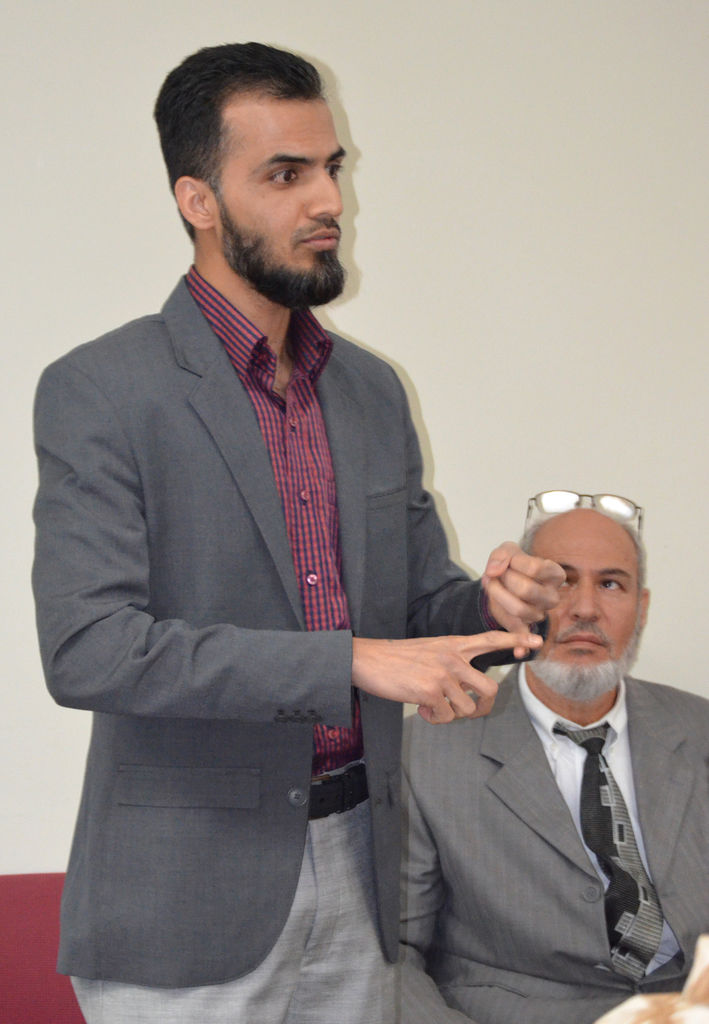
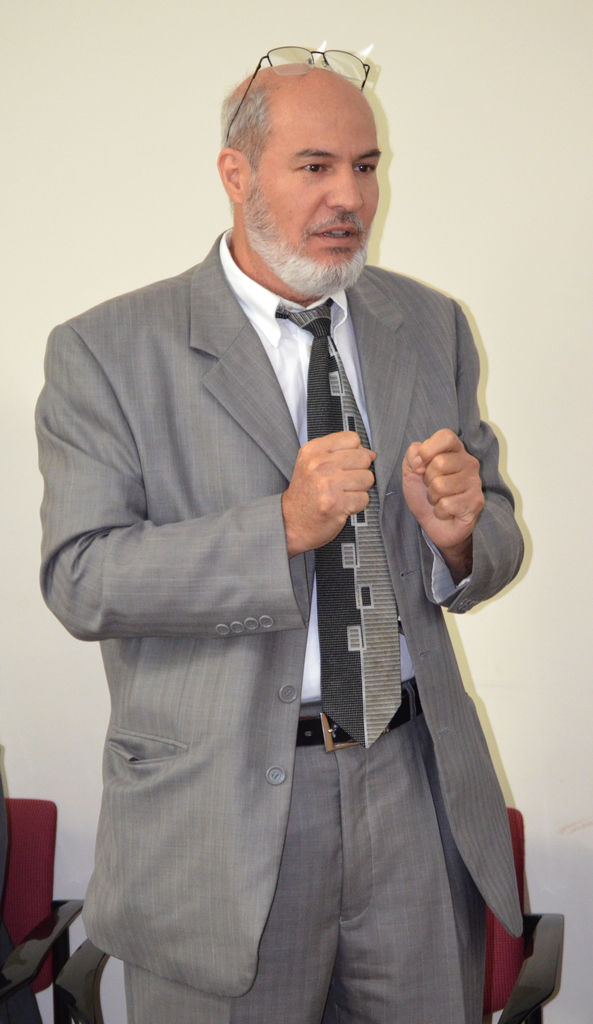
Mohammad Okashah, who served as applicant and spokesman for the Islamic Center, told the board that not only would the center agree to 6-foot burials, that they planned to encase bodies in a concrete vault.
“We do not embalm bodies or add chemicals that could seep into the ground,” Okashah said. “But we do wrap bodies in linen or cotton cloths and bury them in a vault, 6 feet deep. That is our practice.”
Conny and Edna Turner and Kenneth Fairbanks were among a group of citizens that opposed the cemetery for various reasons.
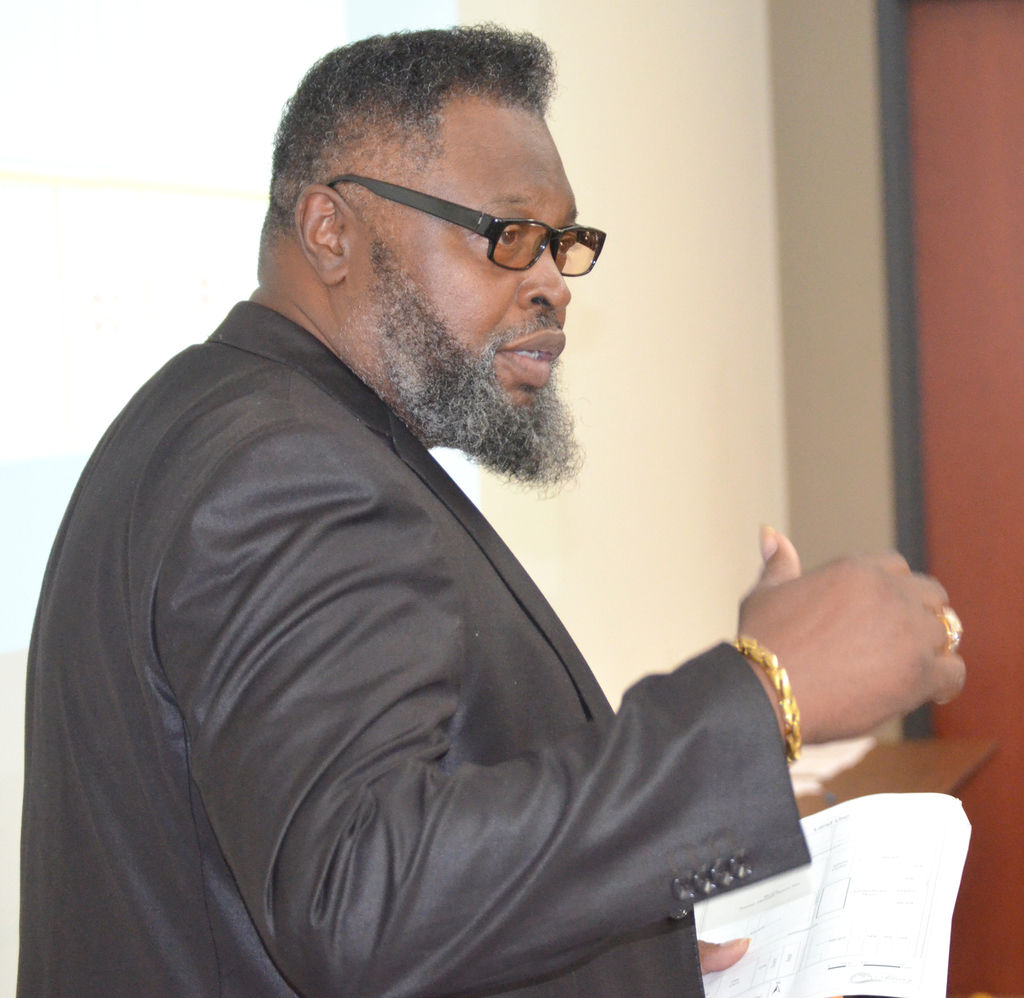
“I have two concerns,” Fairbanks said. “One is the value of my (nearby) property once a cemetery is built. The second is what the city plans to do about flooding in that area. How will the cemetery impact the flooding?”
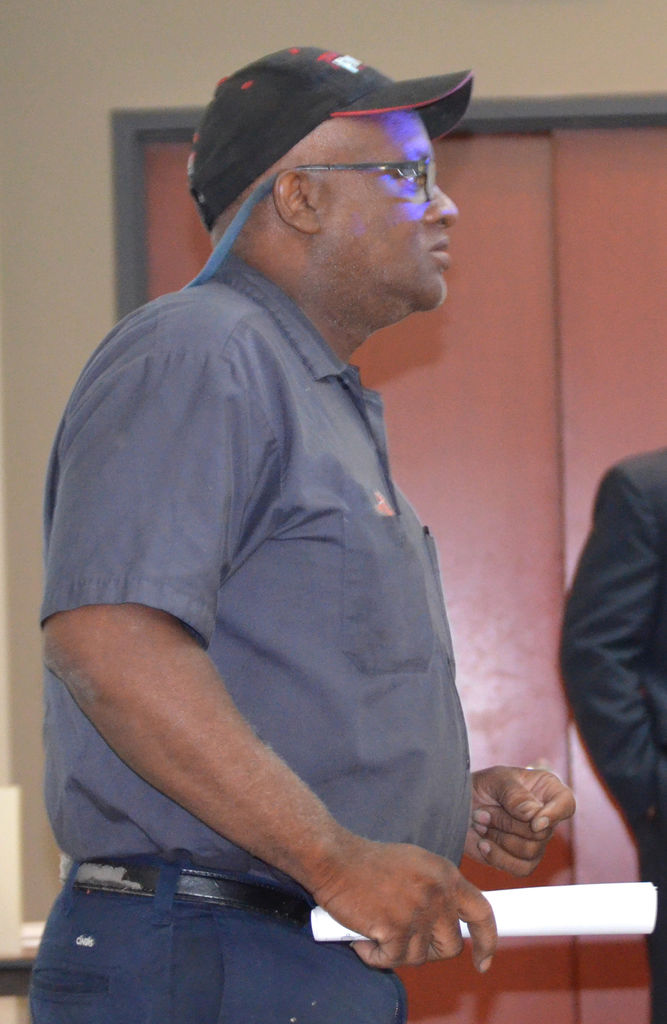
Conny Turner, who owns Turner’s Garage and Body Shop at 313 S. McKinley St., said he is concerned that a cemetery might worsen flooding in the area, and Edna Turner said she and others living and working nearby would consider a cemetery an “eyesore.”
Forgey addressed the flooding/property value issues by noting that the cemetery would have a positive impact on both.
“A vacant lot with broken asphalt and barbed wire fencing is not going to be as valuable as a landscaped cemetery,” Forgey said. “And when it comes to flooding, they’re going to take up the asphalt on that property and replace it with natural grass and decorative plants. Instead of running out into the gutters, rainwater will go down into the ground.
“Also, a cemetery is actually one of the best economic development options for a property that is prone to flooding. That is one of the more viable options for the property.”
Dr. Khaja Mohammed, a cardiologist, addressed some board members’ concerns about “bodies washing up in a heavy rain.”
“I was born in India, and there, we have no regulations (pertaining to burials),” Mohammed said. “We do have floods, though, and a large Muslim population. I have never heard of bodies washing up during flooding.
“Just like any other religion, we want to be buried in a particular way, in the custom of our faith. It’s a spiritual thing for us.”
Congregation member Umar Abdal-Aquil said Islamic Center officials had sought to purchase property in city-owned Riverside Cemetery but were told that remaining property there had been bought. He said the center sought other suitable land, but had found none and was left with the option of building its own cemetery.
Okashah said the proposed cemetery would improve the aesthetics of the surrounding neighborhood.
“If you leave that property as it is, it’s not very pleasing,” he said. “It’s going to look like heaven when we’re done. We’re going to make that area more beautiful.”
The matter must now be approved by the Albany City Commission, which is expected to discuss the proposal at its Sept. 27 meeting.
Also at the meeting, the Planning Commission voted 7-0 to approve John and Lynn Albano’s rezoning request (from R-1 to R-G) for 10.026 acres of land at 1046 Spring Hill Drive. The rezoning will allow the Albanos to build a utility building larger than the 800-square-foot limit under R-1 zoning.
Author

Related Articles

New commander takes helm as Marine Corps logistics adapts to evolving battlefield
Brig. Gen. Kevin G. Collins assumed command of Marine Corps Logistics Command during a change of command ceremony at Marine Corps Logistics Base Albany, succeeding Maj. Gen. Keith D. Reventlow after four years leading the organization responsible for sustaining Marine forces around the globe.
DOT says delay in Oglethorpe Bridge opening should be brief
“We know it’s not going to be July 22. We don’t think it’s going to be much later than that.”

City of Albany has big July 4 celebration planned for Saturday
“It’s going to be a lot of moving and shooting them off in a short time. It’s going to be a big show.”
