
Public health officials urge caution against measles
Two confirmed cases of measles reported recently in the Atlanta area
Jennifer Parks
From Staff Reports
ATLANTA — Following two confirmed cases of measles in the Atlanta area, public health officials are urging health care providers to maintain heightened awareness for patients with measles.
Both residents with the disease are now out of the infectious stage, but the Georgia Department of Public Health is notifying others who may have been exposed between Jan. 7-14. Officials said the risk of becoming ill is low, but that anyone who becomes sick with measles symptoms or thinks they have been exposed to measles should:
— Contact their health care provider immediately and let him or her know about a possible measles exposure. Those who do not have a doctor should contact their county health department;
— Do not go to the doctor’s office, hospital or public health office without first calling to let them know about a possible contact with measles. The health care provider or public health nurse will advise about what to do;
— Those who think they might have measles should stay at home and avoid contact with others, especially babies under age 1 or people with weakened immune systems.
“Health care providers who suspect measles should notify public health immediately,” a news release from the Albany-based Southwest Public Health District said.
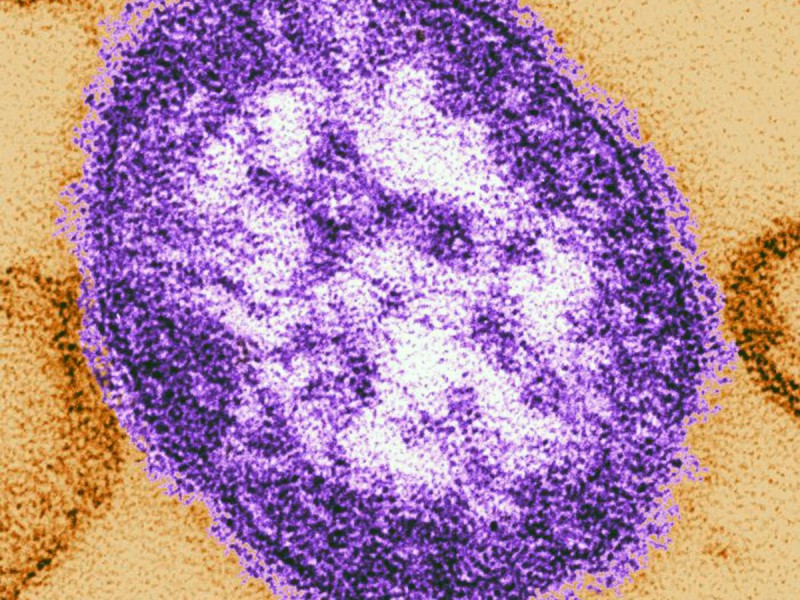
Health officials said measles is a highly contagious vaccine-preventable disease caused by a virus, spread by airborne droplets when an infected person coughs or sneezes. It typically begins with a fever, followed by cough, runny nose and/or red and watery eyes.
After two to three days, the fever peaks and a rash appears at the hairline and spreads progressively downward covering the face, neck, trunk and extremities.
The MMR vaccine prevents measles as well as mumps and rubella, and officials said more than 95 percent of the people who receive a single dose of MMR will develop immunity to all three viruses. A second dose boosts immunity, typically enhancing protection to 98 percent.
The Centers for Disease Control and Prevention recommends that all people routinely be vaccinated between 12 and 18 months of age and receive a booster between 4-6 years of age.
Officials said infants who are too young to be vaccinated, or others who have never been vaccinated, are at the highest risk of catching the measles. Immunocompromised people, including those undergoing cancer chemotherapy or other immune-suppressive treatments, transplant recipients or those with diseases that affect the immune system such as AIDS or systemic lupus erythematosus are also at risk.
Children under age 5, adults older than age 20, pregnant women and people with compromised immune systems are at highest risk for serious complications. Health officials said those born before 1957 are generally considered immune because they probably had the disease when they were younger.
“In the past 10 years, there have been seven confirmed cases of measles in Georgia, including one imported from another country,” the release from the public health district based in Albany said.
Related Articles

New commander takes helm as Marine Corps logistics adapts to evolving battlefield
Brig. Gen. Kevin G. Collins assumed command of Marine Corps Logistics Command during a change of command ceremony at Marine Corps Logistics Base Albany, succeeding Maj. Gen. Keith D. Reventlow after four years leading the organization responsible for sustaining Marine forces around the globe.
DOT says delay in Oglethorpe Bridge opening should be brief
“We know it’s not going to be July 22. We don’t think it’s going to be much later than that.”

City of Albany has big July 4 celebration planned for Saturday
“It’s going to be a lot of moving and shooting them off in a short time. It’s going to be a big show.”
