
Rabies exposure risk increases with warmer weather
Spring weather raises health care officials’ concern about rabies
From Staff Reports
ALBANY — The Dougherty County Health Department, along with the Georgia Department of Public Health, warned that during the spring months people, pets and wildlife tend to be more active and as a result increase their risk of potentially deadly interactions.
“Any time pets, humans and wild animals interact, there is a possibility of rabies exposure,” said Lead Environmental Health Specialist James Davis of the Dougherty County Health Department.
In humans, the rabies virus, if untreated, is nearly always fatal.
Wildlife is relatively inactive during the winter months, but when spring arrives, animals mate, produce offspring and feed.
“Springtime is also the time when humans and pets begin to spend more time outdoors enjoying the weather,” Davis said. “As a result, the likelihood of encountering wild animals increases.”
Officials advise residents to avoid wildlife/animals that behave oddly or aggressive. Signs of odd behavior could be nocturnal animals out during daylight hours or wild animals seeking human interaction.
“We are concerned about people being exposed to the rabies virus through pets whose vaccinations are not up-to-date, through stray animals that have not been vaccinated and through wild animals, any of which could catch the infection and pass it along through their saliva,” said Davis.
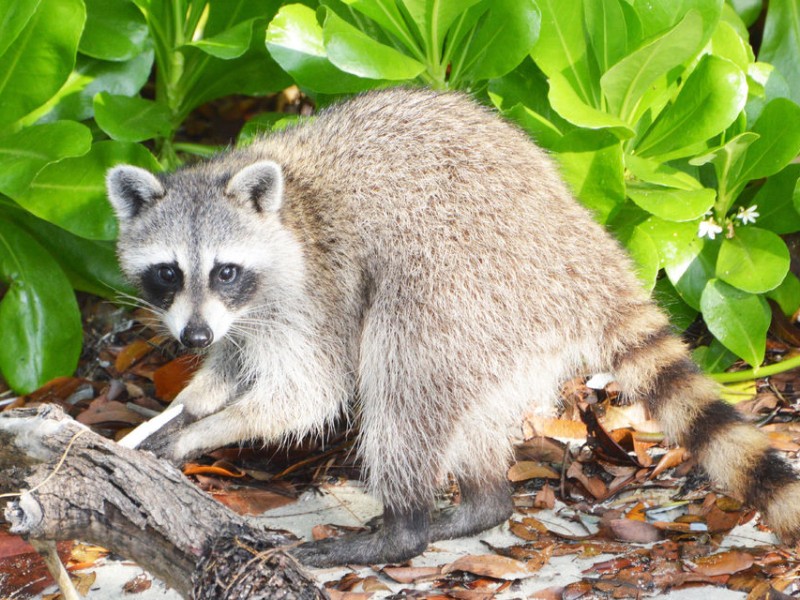
In Georgia, wild animal species that frequently carry the rabies virus include raccoons, bats, skunks, foxes, coyotes and bobcats.
“When they come into contact with strays or unvaccinated pets, they can pass the infection,” Davis said. “The most heartbreaking conversations I have is telling pet owners that they are going to have to euthanize their beloved pets because of rabies. If that animal had just received its annual rabies vaccination, it would have been a happy ending instead of a tragedy.”
According to the Georgia Department of Public Health, the best way to protect against rabies exposure is to vaccinate pets.
Anyone bitten by wild animals or strays should seek immediate medical attention and contact the Dougherty County Health Department and law enforcement.
“You should not attempt to catch the animal yourself,” Davis advised. “The authorities will handle that so it can be tested for rabies.”
According to Carolyn Maschke, the public information officer for the Southwest Health District, there has been one reported case in Dougherty County of rabies contracted by a human. It occurred in March of this year.
Georgia law requires dogs and cats three months old and older to be vaccinated against rabies. Pet ferrets along with susceptible livestock should also be vaccinated, according to Davis.
For more information about rabies, contact the Dougherty County Environmental Health office at (229) 438-3943 or go online to www.southwestgeorgiapublichealth.org.
Related Articles

James Rubino installed in new role at Marine Corps Logistics Command in Albany
James L. Rubino recently assumed the role as executive deputy of Marine Corps Logistics Command in Albany. In his new role he will oversee integrated logistics support.

Rain depresses voter turnout in Dougherty County
“A lot of people don’t vote when it’s raining. People don’t do a lot of things when it’s raining.”
City of Albany faces shortfall for police, fire salaries
“We can’t tell staff to hire more police officers and then complain at what it costs.”
